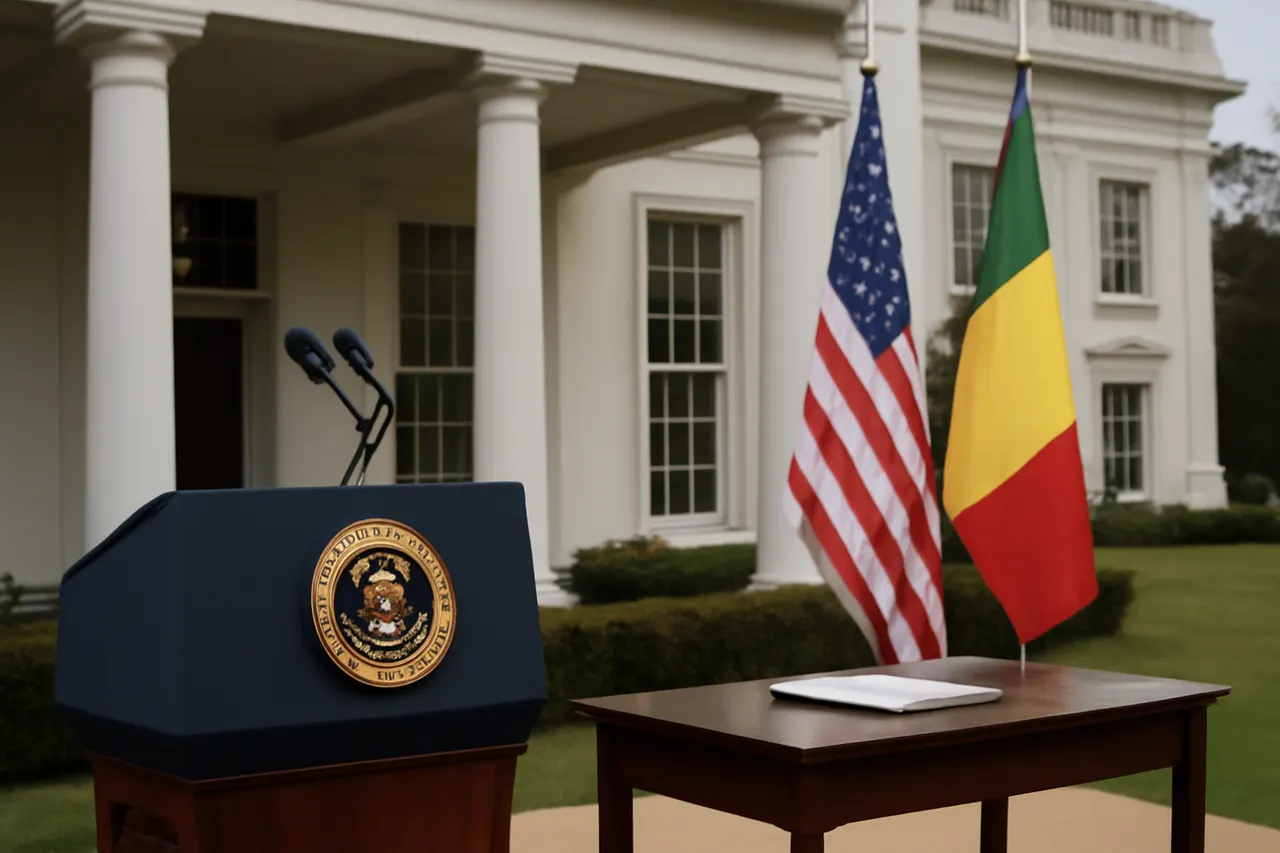
The United States is reportedly considering airstrikes against al Qaeda-linked terrorist groups in Mali, according to regional analysts and recent media reports. The West African nation, located in the Sahel region, has been under the control of a military junta since coups in 2020 and 2021. This junta has distanced itself from France and the U.S., instead seeking military support from Russia and its Africa Corps mercenaries to combat jihadist groups.
The largest jihadist faction, Jama’at Nusrat al-Islam wal-Muslimin (JNIM), which has Mali’s capital under siege, is credited with killing 50 Malian soldiers this month and was implicated in the death of the country’s defense minister earlier this year. JNIM has also reportedly forced Russian battalions to retreat on at least two occasions in 2026. The group aims to transform Mali into an Islamist jihadist state and was designated a Foreign Terrorist Organization during the first Trump administration in 2018.
Fighting resumed on April 26 in several areas, including Kita near Bamako, Kidal, Gao, and Severe. Tuareg rebels announced an agreement allowing Russian forces backing Mali's army to withdraw from the northern city of Kidal, which the rebels claimed was "totally" under their control.
A U.S. official stated, "The United States unequivocally condemns the terrorist activity in Mali," adding, "in the Sahel, the United States is committed to promoting regional ownership and cooperation against terrorist threats, and monitoring indicators and warnings of threats to our homeland."
Senior fellow Fitton-Brown at the Foundation for Defense of Democracies told Fox News Digital, "Mali is mainly important to the U.S. because, as a failed state becoming a safe haven for al Qaeda and ISIS, it looks like the first of several African dominoes likely to fall."
Ekman, who served as the Department of War’s West Africa Coordination Element lead until last year, noted that U.S. forces have supported partner-led operations against JNIM as recently as 2022. He added that strike action might persuade Mali’s rulers to shift away from Russian support and toward the U.S. for protection and military equipment purchases.
Mali's significant gold and lithium deposits add a minerals dimension to the geopolitical stakes as the U.S. weighs its response to the growing jihadist threat.
Sources
- Fox News Latest (Published July 24, 2026)
Loading comments.