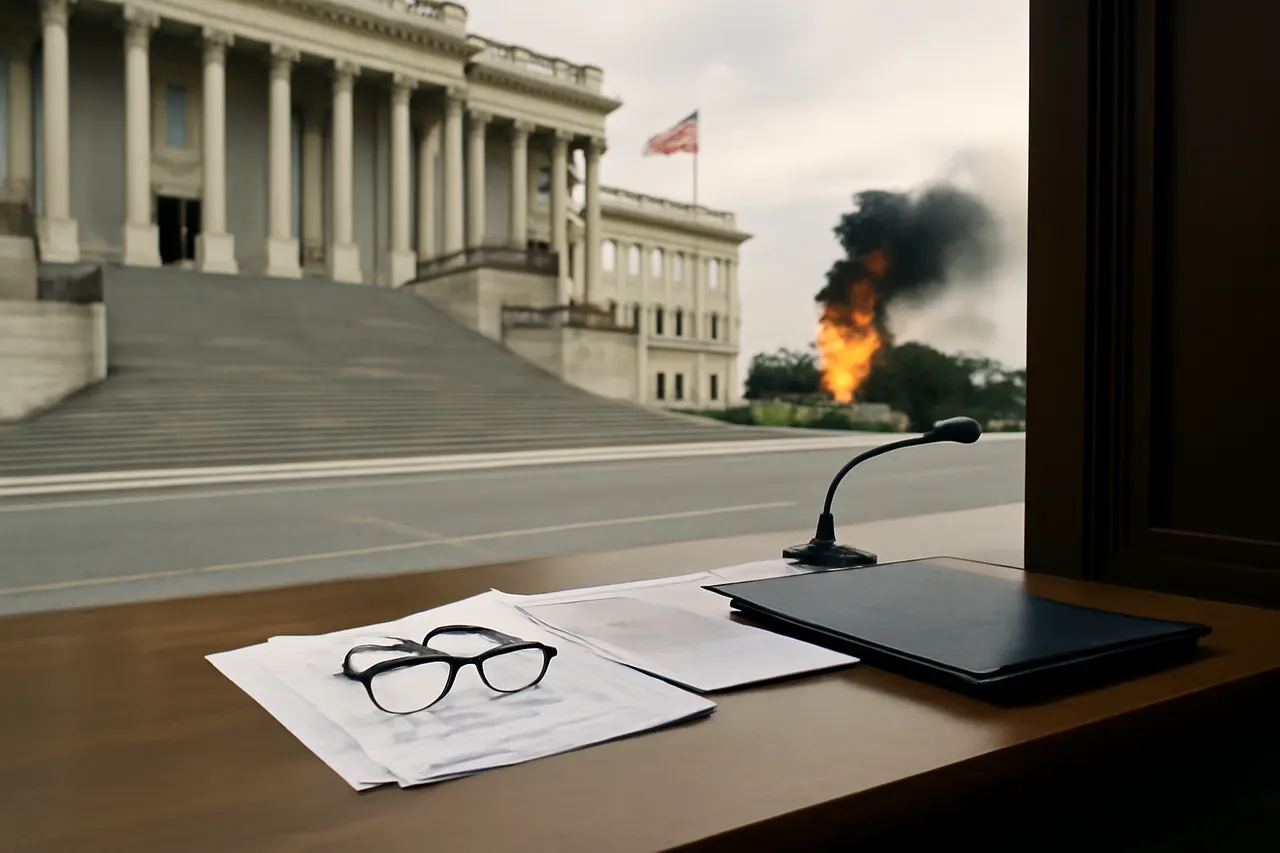
On Friday, July 24th, 2026, the United States launched a new series of strikes targeting Iran. Concurrently, Iran-backed Houthi rebels opened a second front in the ongoing conflict by attacking Saudi oil tankers in the Red Sea, an escalation that sent oil prices soaring.
US President Donald Trump publicly held Iran responsible for the attacks on Saudi tankers carried out by the Houthi rebels. In response to the escalating conflict, the US House of Representatives narrowly passed a resolution aimed at halting US military action in Iran. This move serves as a second warning to President Trump amid uncertainty over the conflict's future, which has already cost the US approximately $37.5 billion.
Additionally, President Trump introduced a new condition to a recently signed US-Saudi nuclear deal. He insisted that the agreement is "totally subject to" Saudi Arabia joining the Abraham Accords and normalizing relations with Israel.
These developments highlight increasing tensions in the Middle East involving the US, Iran, Saudi Arabia, and allied actors, with significant implications for regional security and global energy markets.
Loading comments.