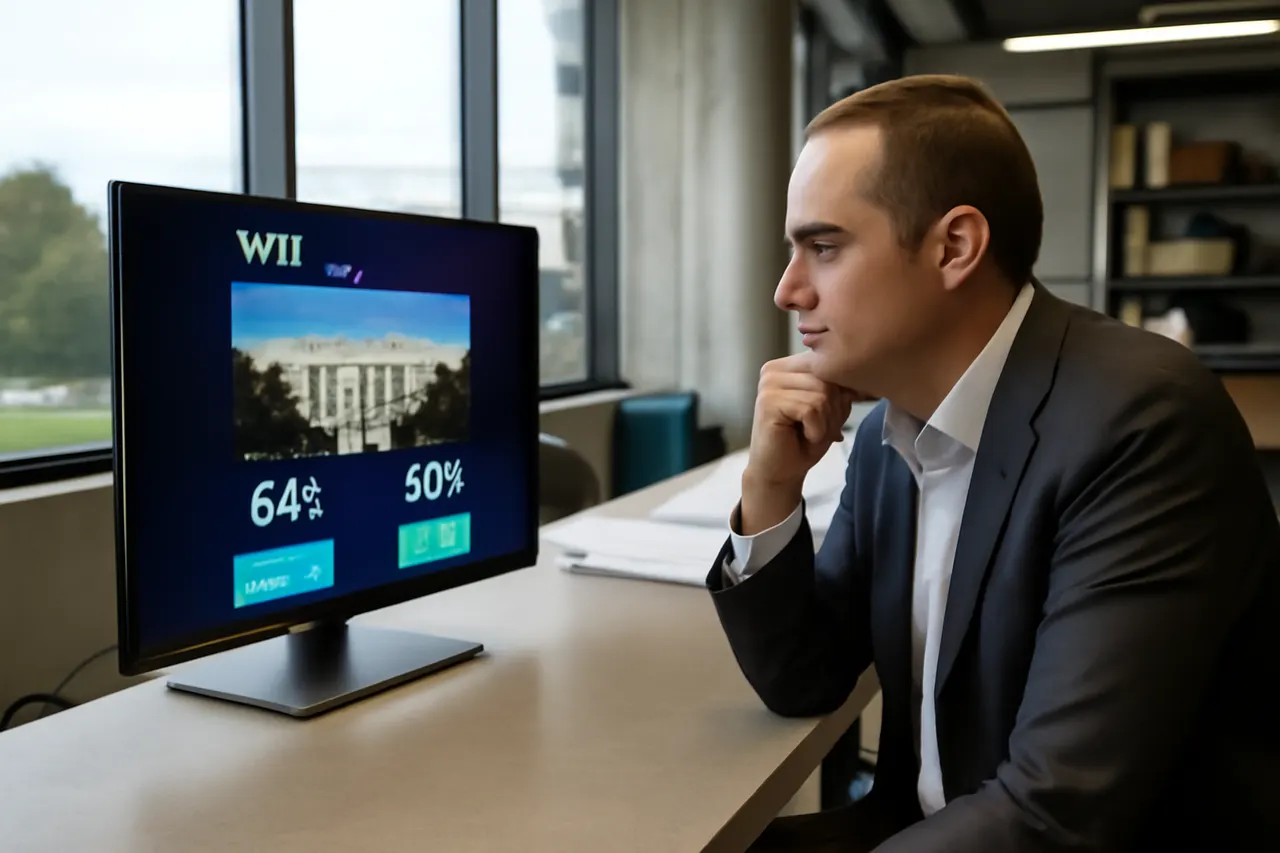
Prediction markets have evolved from limited legal gambling venues in the 1970s, such as Las Vegas and Atlantic City, to online platforms where users can bet on nearly any event worldwide. Companies like Kalshi and Polymarket now enable trading on outcomes ranging from political events to pop culture, including whether SpaceX will have a successful launch by July 31, 2026, or if Rihanna’s new album will release before the next Grand Theft Auto video game.
This expansion has increased the volume of "feedbox noise," or insider information circulating among participants. As noted in a July 25, 2026, Fox News opinion piece by David Marcus, "Dozens, maybe even hundreds of people know this answer, thousands probably have inside info, and while, if they say anything out loud they will get sued into oblivion, what's to stop them from telling their cousin, 'Hey, drop a few thousand on this contestant?'" referring to prediction markets on reality TV shows like "Big Brother."
Kalshi operates as a federally regulated U.S.-based exchange, but attempts to regulate prediction markets at state and federal levels are ongoing. Despite these efforts, the industry’s growth suggests that tens of thousands of markets will continue to attract hundreds of thousands of potential insider traders.
Marcus paraphrases Andy Warhol, stating, "In the future, everyone will have inside information on a prediction market for 15 minutes," highlighting the pervasive nature of insider knowledge in this new gambling landscape. Ultimately, individuals involved in businesses, campaigns, or entertainment that become subjects of prediction markets must decide for themselves whether placing wagers is ethical, as regulatory measures remain limited.
Loading comments.