
Donald Trump, described as a "child of the cold war," has revived Cold War-era language by warning of a "communist menace" in the United States. On July 3, 2026, during a speech at Mount Rushmore on the eve of the US’s 250th birthday, Trump said, “A generation after we fought and won the cold war against the menace of communism, there is now a resurgence of the communist menace in our land, including from newcomers to our country who embrace ideas totally opposed to our way of life and our great success.”
Trump’s use of the term “communist” reflects his formative years during the Cold War, a period marked by intense rivalry between Western capitalism and Soviet communism. Historian Galston noted, “Trump is 80 years old, and for him, the epithet ‘communist’ rolls off his lips quite naturally, because it was part of the conflict with internal communism and the Soviet Union as an external communist foe that was part of his formation.”
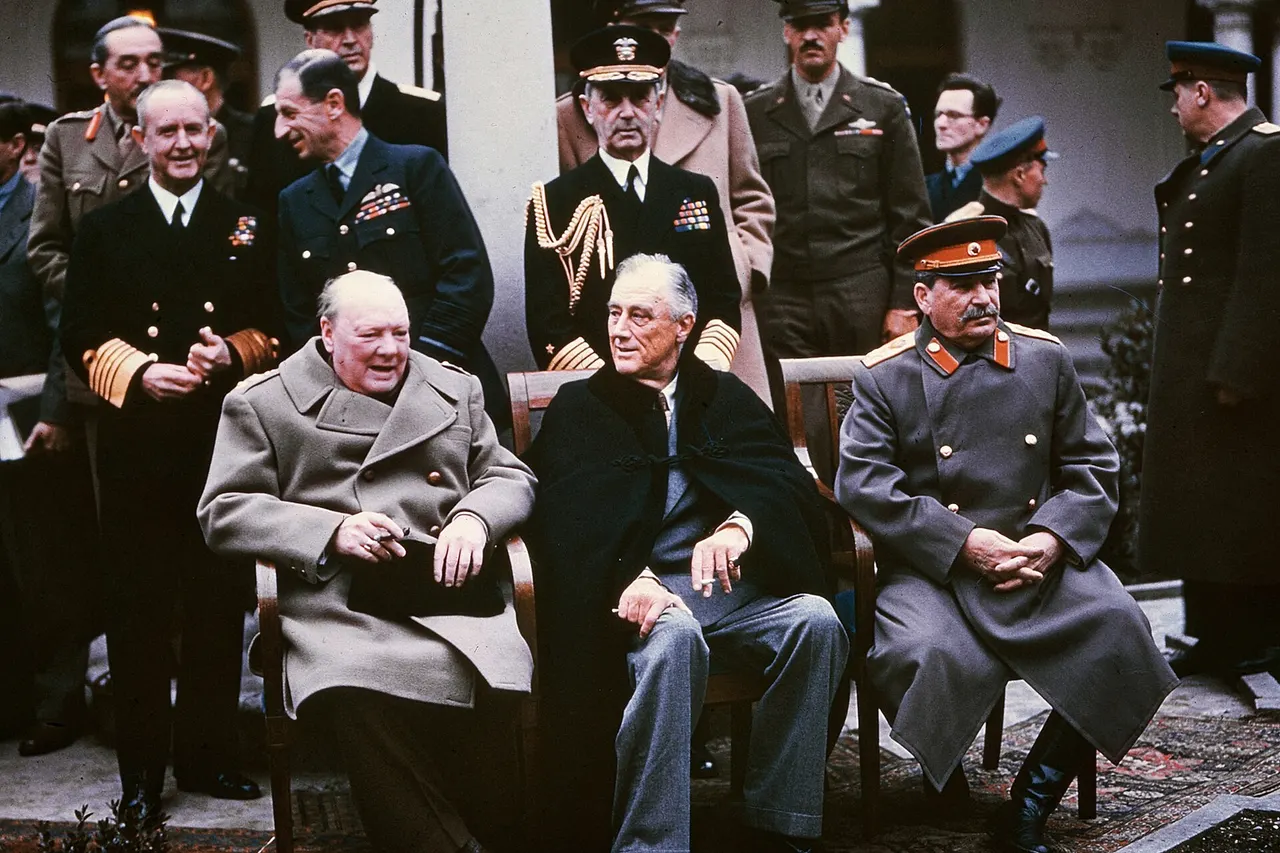
This rhetoric harks back to the era following World War II when Winston Churchill, in a 1946 speech in Fulton, Missouri, famously warned that “an iron curtain has descended across the continent,” lamenting the spread of Soviet communism in Eastern Europe. The ensuing Cold War led to a US “red scare,” characterized by paranoia and witch-hunts led by figures like Senator Joe McCarthy.
Notably, Roy Cohn, McCarthy’s chief counsel who prosecuted Soviet spies Julius and Ethel Rosenberg, later became Trump’s mentor in the New York real estate world.
Harvey Klehr, an emeritus professor at Emory University and expert on US communism history, stated, “For many years, communism and communists were the major enemy of the United States.” Although anti-communist paranoia waned after McCarthy was censured in 1954 and further diminished following the collapse of Eastern European communist regimes in 1989 and the Soviet Union’s dissolution in 1991, Trump’s recent rhetoric signals a revival of these Cold War fears.
Sources indicate that this resurgence of Cold War language is primarily resonant within Trump’s base, raising questions about its broader impact.
Sources
- Guardian US by Robert Tait in Washington
Loading comments.