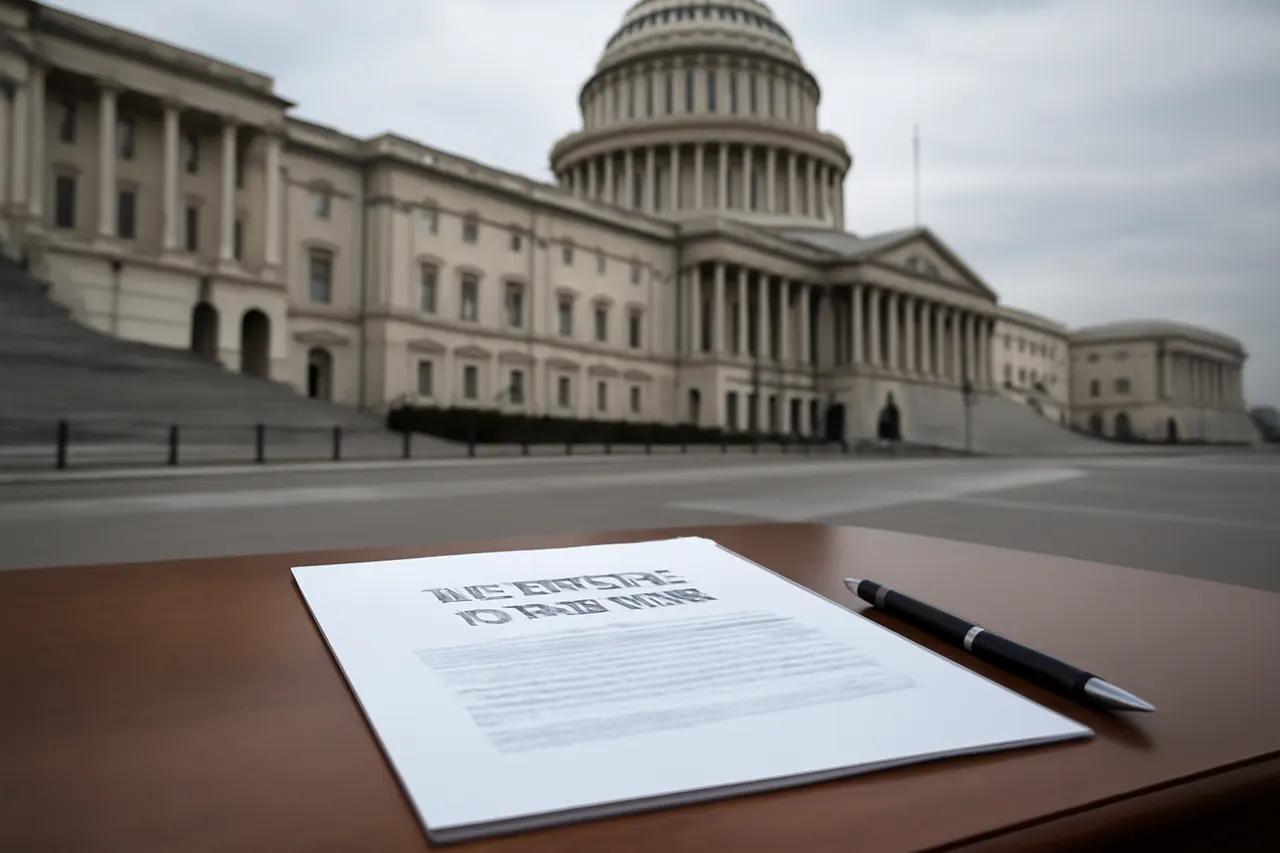
On Thursday, July 27, 2026, the U.S. House of Representatives approved a War Powers Resolution aimed at limiting President Donald Trump's military actions in Iran by a narrow margin of 214-208. However, the Senate rejected the resolution hours later in a close 47-49 vote, allowing the conflict to continue without formal congressional approval.
The War Powers Resolution, originally passed by Congress in 1973 over President Richard Nixon's veto following the Vietnam War setback, requires the president to notify Congress within 48 hours of deploying U.S. forces into combat. It also mandates that military forces must be withdrawn after 60 days if Congress does not approve the operation or grant an extension, as was done in the 2003 Authorization to Use Military Force against Iraq.
Despite these legal frameworks, the U.S. remains engaged in a protracted and increasingly difficult conflict in Iran, which President Trump initially described as an “excursion.” Bloomberg reported in May that 24 MQ-9 drones had been lost during the conflict, and unconfirmed reports from the previous week indicated that eight additional Reaper drones, still in crates on the ground, were destroyed.
President Trump has addressed the media on the situation, including a news conference held on April 6, 2026, in the James Brady Press Briefing Room at the White House, where Defense Secretary Pete Hegseth and the Chairman of the Joint Chiefs of Staff were also present.
The ongoing conflict and congressional inaction highlight tensions between the executive branch's military decisions and Congress's constitutional role in authorizing war.
Loading comments.