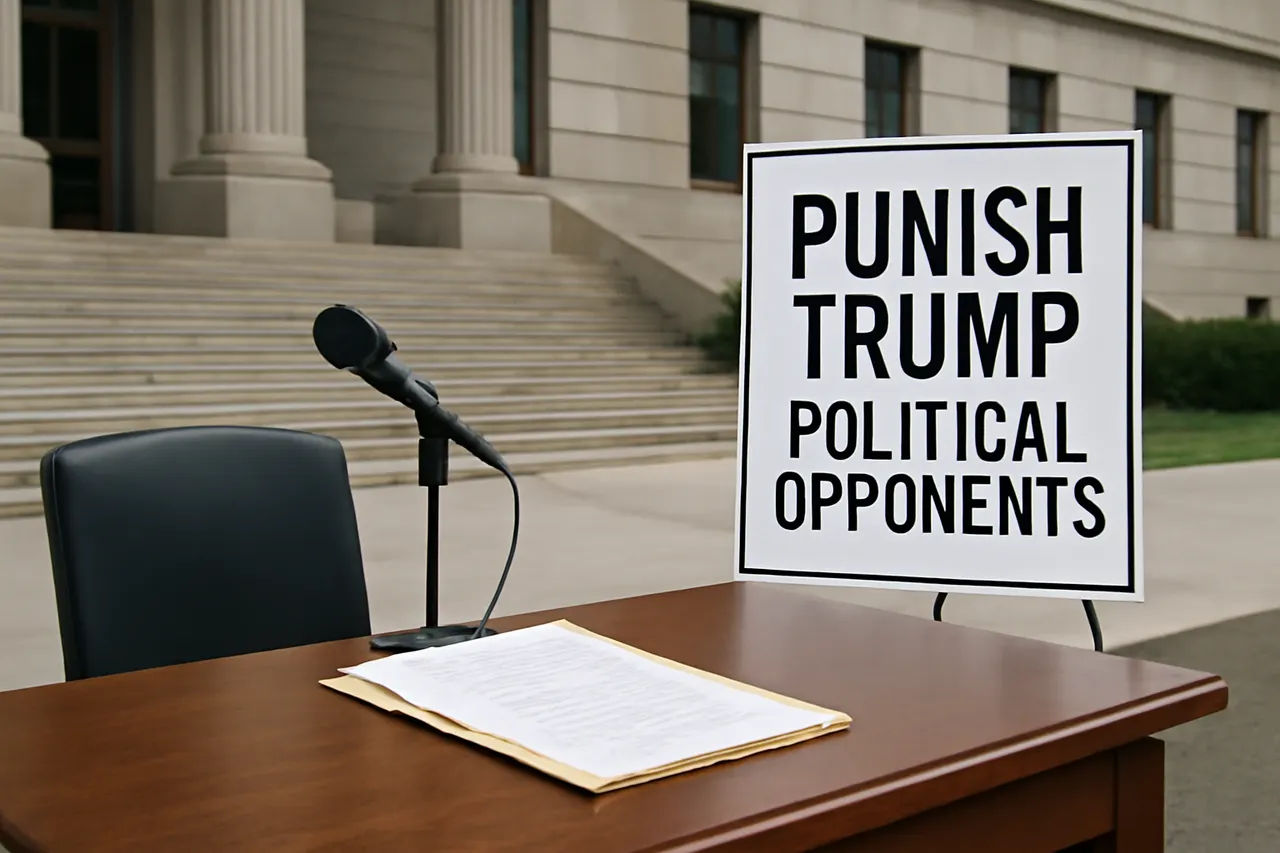
Last September, the Department of Energy (DOE) recommended canceling 624 grants for clean energy projects that had been approved by the Biden administration. After review, the Office of Management and Budget (OMB) reduced this list to 284 grants, nearly all awarded to projects in states represented by Democrats in the U.S. Senate and that had voted for Kamala Harris in the 2024 presidential election.
During a House hearing on June 10, Energy Secretary Chris Wright denied that political considerations influenced these decisions, stating, "No decisions were made on politics." However, a month later, DOE Principal Deputy General Counsel Jeff Novak admitted that the OMB's choices to cancel grants were "based solely on the political identity of the grant recipient's state," rather than any programmatic, statutory, cost-reduction, or performance-based factors.
This admission was part of the DOE's July 15 stipulations in the case Thakur v. The New York Times highlighted the revelation, which has raised constitutional questions. In related legal proceedings, the government conceded that a primary reason for selecting which DOE grant terminations to include in the October 2025 notice was whether the grantee was located in a "Blue State." The government argued that considering partisan politics is constitutionally permissible as it can proxy legitimate policy considerations.
The court emphasized that "The First Amendment prohibits government officials from wielding their power selectively to punish or suppress speech," whether directly or through intermediaries. Critics argue that the Trump administration's mass termination of grants, presented as cost-cutting via the now-defunct Department of Government Efficiency, illegally usurped congressional powers.
Nearly $8 billion in funding aimed at advancing climate initiatives has been affected by these cancellations, illustrating concerns about the politicization of government grant programs.
Loading comments.