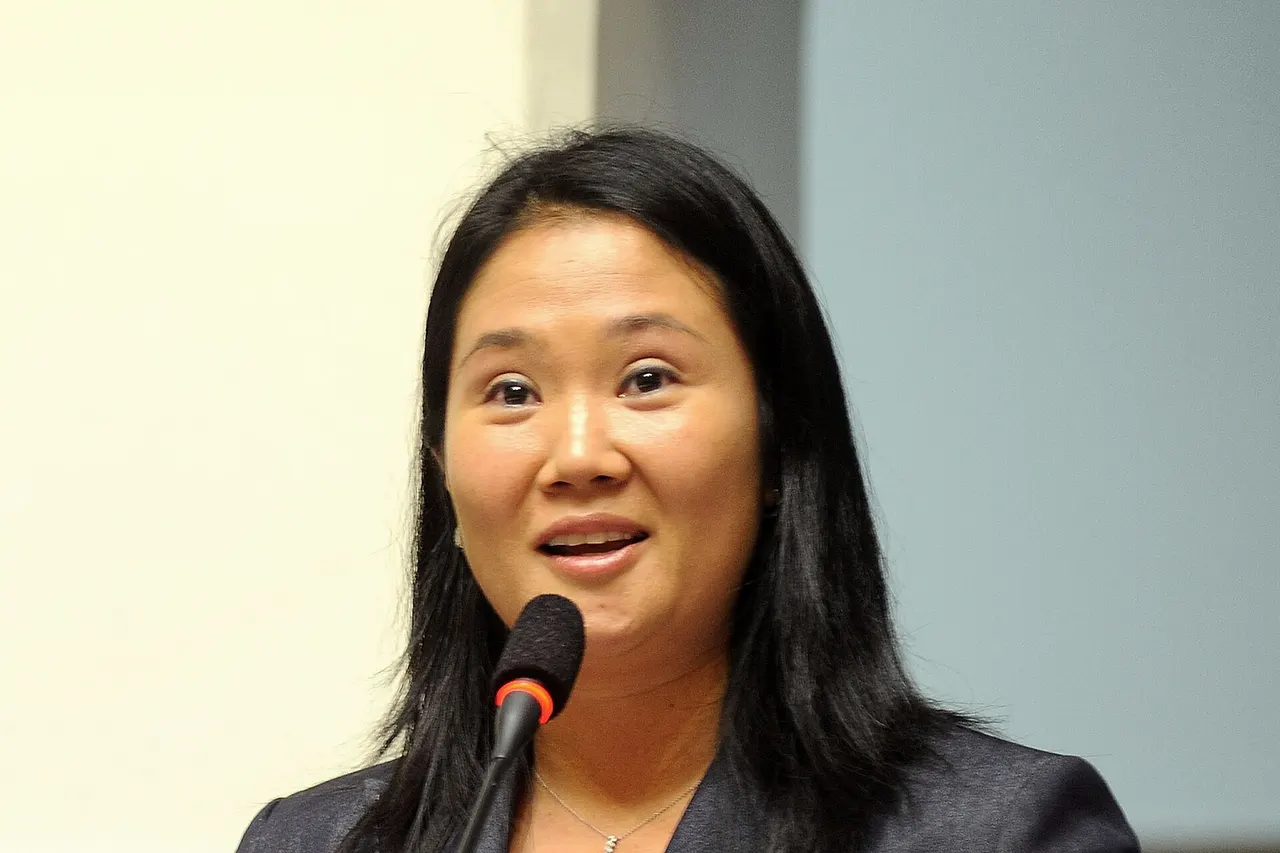

On Tuesday, July 27th, 2026, Keiko Fujimori took office as Peru's president, reviving a political movement absent from power for over 25 years. Fujimorism, defined by a blend of neoliberalism, populism, and strict governance, was the hallmark of her father Alberto Fujimori's presidency from 1990 to 2000.
Fujimori steps into leadership amid social polarization, promising to improve security, economic recovery, health, and education. She has identified security as her administration's top priority and plans to advance infrastructure projects, attract private investment, build new schools and hospitals, and modernize Peru using technology and artificial intelligence.
Beyond domestic reforms, Fujimori assumes office during a period of heightened strategic importance for Peru. The country has become a key arena in the intensifying competition between the United States and China for influence in South America. Bilateral trade between Peru and China surpassed $40 billion in 2024, underscoring Beijing's significant economic role. Meanwhile, the US is actively seeking to expand its influence in the region.
The port of Chancay, supported broadly within Peru, is a focal point in this dynamic, expected to reduce transportation costs and facilitate trade with Asia, particularly China. Balancing relations with Washington and Beijing presents a complex challenge for Fujimori's government.
Michael Shifter, adjunct professor at Georgetown University specializing in Latin American politics, noted, "Keiko Fujimori has shaped Peruvian politics for many years, and the country had already been pursuing a rather pragmatic course." He emphasized that "there's a lot at stake in Peru" given the geopolitical tensions.
Critics highlight that some of Fujimori's security measures are rooted in strong ideological positions aimed at placing police and armed forces under military jurisdiction.
As Peru embarks on this new chapter, Fujimori's leadership will be pivotal in navigating both internal reforms and external geopolitical pressures.
Loading comments.