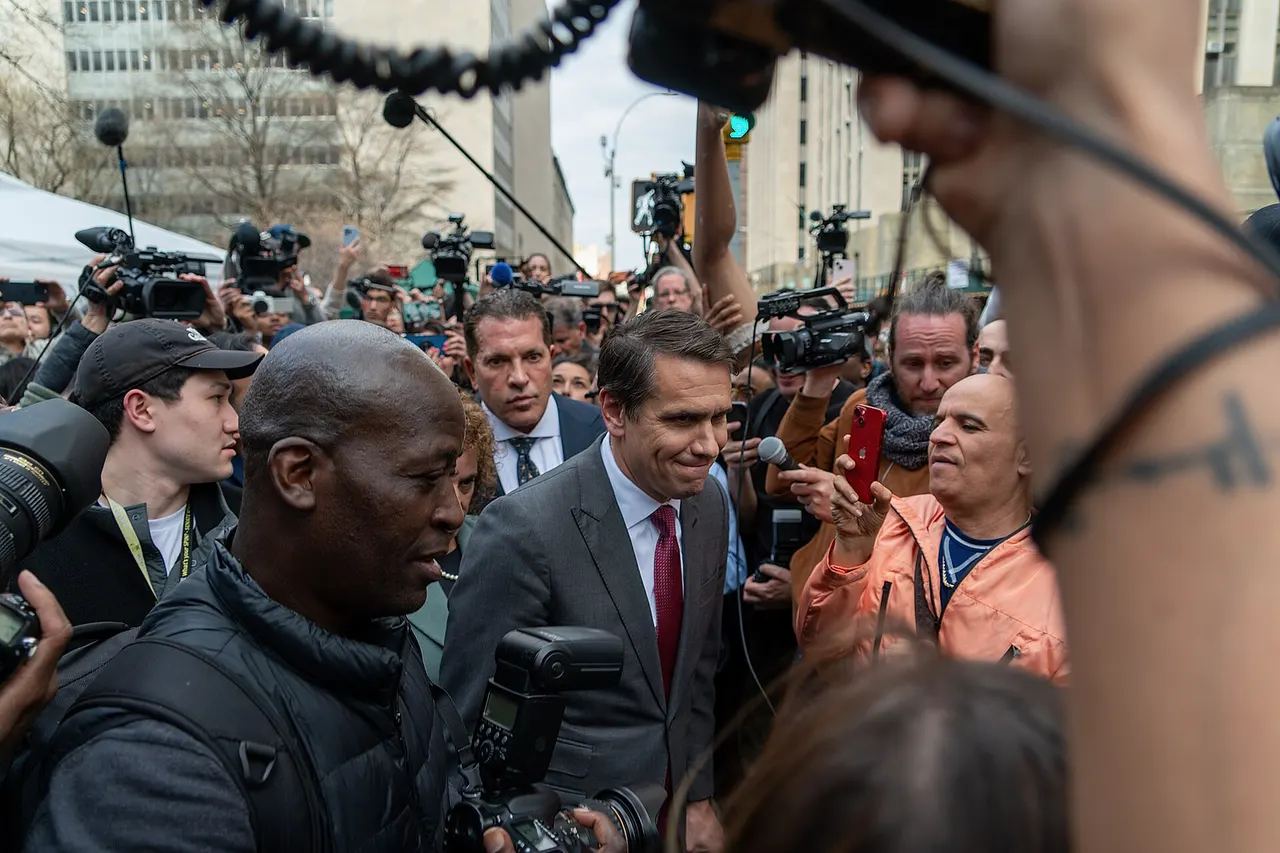

Acting Attorney General Todd Blanche appeared before the Senate Judiciary Committee for his nomination hearing to become the nation's top law enforcement officer. Critics argue Blanche missed a crucial opportunity to prove his independence while serving as deputy attorney general, instead collaborating with what some describe as the most corrupt president in U.S. history.
The Senate’s Republican majority now faces a significant test of its commitment to the rule of law. Observers suggest the Senate should recall the precedent set during the Watergate controversy in 1973, when then-Attorney General Elliot Richardson appointed special prosecutor Archibald Cox to investigate President Richard Nixon’s involvement in the break-in and cover-up. Nixon accepted the resignations of Richardson and others, and the White House announced Cox and his staff had been dismissed.
Recent court actions have included dismissing 16 lawsuits seeking state voter data, rejecting thousands of misdemeanor charges against migrants, quashing subpoenas aimed at hospitals over gender-affirming care records, and dropping at least 79 cases related to ICE protests.
In a notable Justice Department action, former FBI Director James Comey was indicted for a photo he took of seashells on a beach that he claimed spelled “86 47,” which he had posted on social media.
These developments frame the ongoing debate over the standards expected of an attorney general and the Senate’s role in upholding them as it considers Blanche’s nomination.
Loading comments.