
Climate experts have issued warnings about an impending "super" El Niño event that is expected to negatively impact African economies and trigger mass migration from severely affected areas. According to specialists from the African Development Bank, the event could inflict a combined economic loss ranging from $10 billion to $20 billion across affected countries in Africa.
Anthony Nyong, the bank's director for climate change and green growth, stated that the GDP of heavily impacted countries could decline by one to two percent on average. While no detailed country-by-country breakdown was provided, Nyong cautioned that the effects are unlikely to be isolated incidents and may persist for several years.
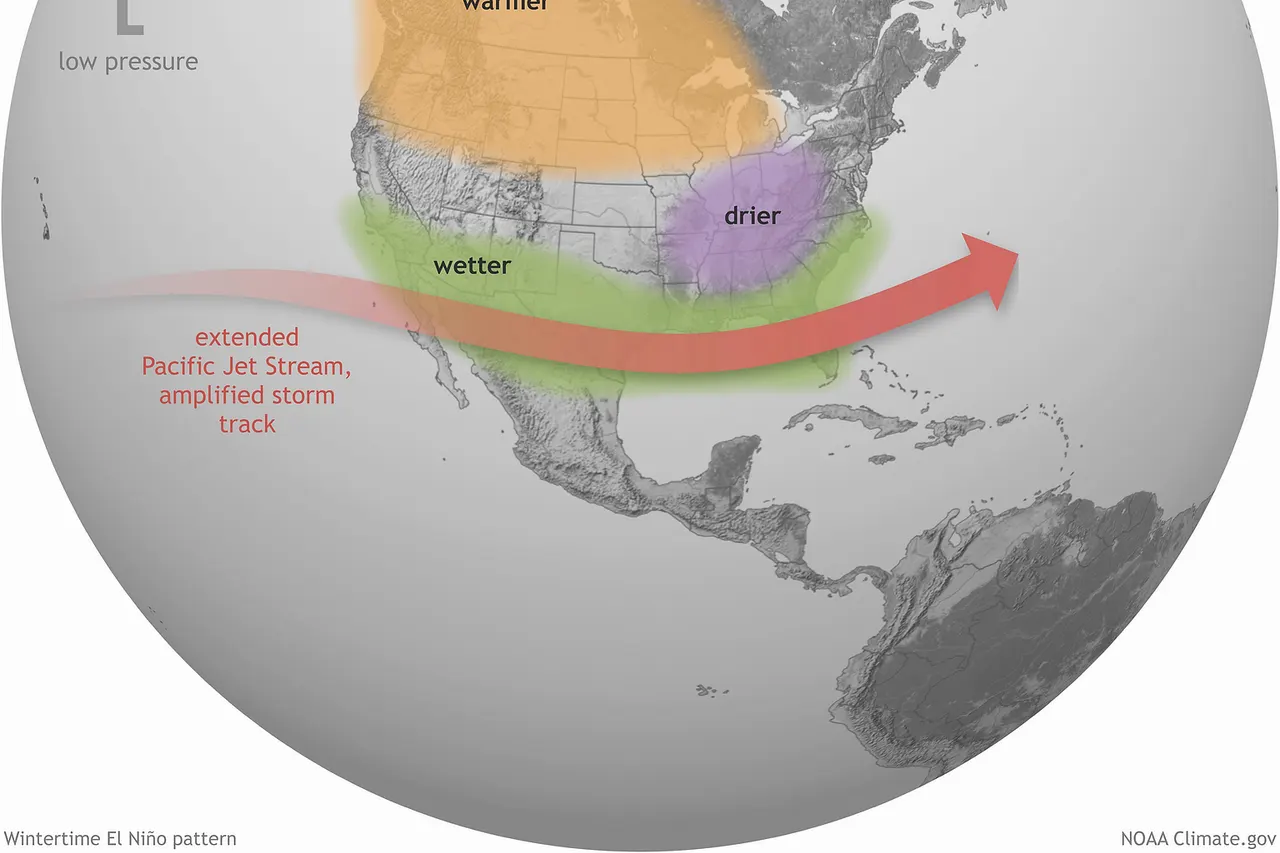
Forecasters have noted that this naturally occurring weather pattern could become one of the strongest ever recorded if current warming trends in the Pacific Ocean continue. A super El Niño is characterized by sea surface temperatures exceeding two degrees Celsius above normal in the central Pacific.
The previous 2023 to 2024 El Niño event led to widespread crop failures, surging food prices, and record-breaking sea-level rises along Africa's coastlines. The African Development Bank estimates that African farmers have already lost nearly $330 million in income this year, compounded by high energy prices and fertilizer supply disruptions linked to the war in the Middle East. Additionally, the fishing industries face significant risks due to rising sea temperatures and increased storm activity.
A poignant image from April 17, 2024, shows a family using a canoe to escape floodwaters in Ombaka Village, Kisumu, Kenya, illustrating the human impact of these climate events.
Loading comments.