
From the peaks of Mount Olympus in Greece to the shores of the D-Day beaches in Normandy, France, 25 cultural or natural landmarks from across the globe have been newly inscribed on the World Heritage List. This annual update is managed by the UN Educational, Scientific and Cultural Organization (UNESCO).
The announcement was made on Tuesday, 28 July 2026, during the World Heritage Committee’s meeting held from 19 to 29 July in Busan, Republic of Korea. The list includes first-time inscriptions from three African countries: Comoros, São Tomé and Príncipe, and South Sudan.
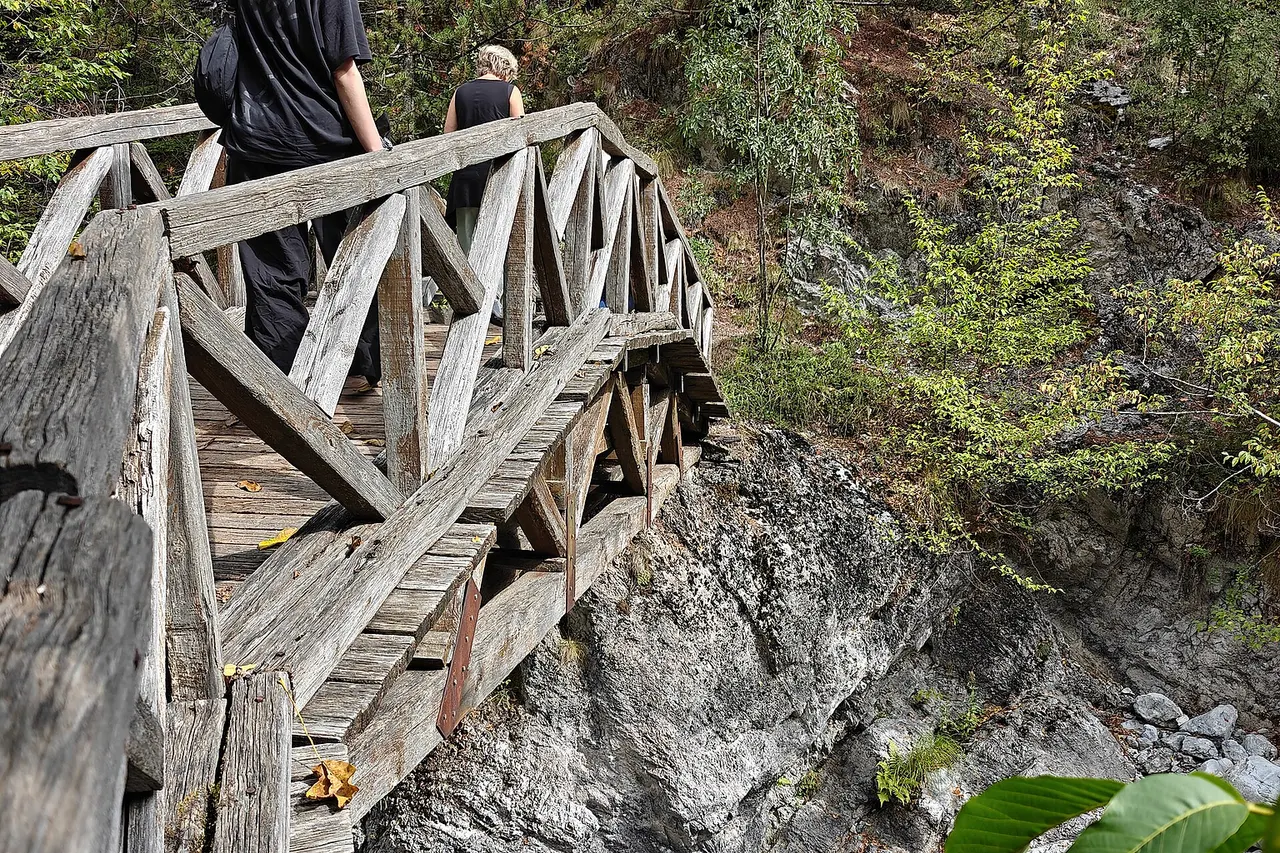
Among the notable new sites is the wider area of Mount Olympus, Greece’s highest mountain and the mythical home of Zeus and other ancient gods. Situated in northern Greece, Mount Olympus is an enduring emblem of Greek civilization. UNESCO highlighted that its proximity to the sea and abrupt elevation produces a remarkable diversity in terrain, climate, and vegetation.
Six sites associated with the Allied forces landings in Normandy, France, on 6 June 1944—marking a major turning point in the Second World War—were also recognized. UNESCO stated, “Together, these elements form an exceptional cultural landscape shaped both by the events of 1944 and by their enduring remembrance.”
Additionally, the Theatro da Paz in Belém and Teatro Amazonas in Manaus were inscribed. These theaters were built during the Amazonian “Golden Age,” a period of economic prosperity known as the Rubber Cycle, spanning from 1879 to 1912.
These new inscriptions reflect UNESCO’s ongoing commitment to preserving sites of outstanding value to humanity across diverse regions and cultures.
Loading comments.