
After six rainy days at the Commonwealth Games, Glasgow experienced blustery and bleak conditions on Thursday morning, July 30, 2026, as athletics competitions commenced at Scotstoun Stadium. The wind caused difficulties across track and field events.
Australian javelin thrower Cameron McEntyre competed against a strong headwind that prevented any of the 17 throwers from reaching the qualification standard of 84 metres. McEntyre advanced with a throw of 78.91 metres, while Kenya's Julius Yego, who holds the fourth longest throw in the Commonwealth this year, failed to qualify, finishing 13th.
"Everyone struggled with the wind and the temperature as well. Hopefully better conditions tomorrow and then push for a podium [but] everyone's in the same boat," McEntyre said, crediting his thorough training preparation for handling such conditions. He added, "If it's pissing down with rain or huge headwinds, whatever the conditions are, we just deal with it because we know one day there's gonna be a competition that's exactly the same."
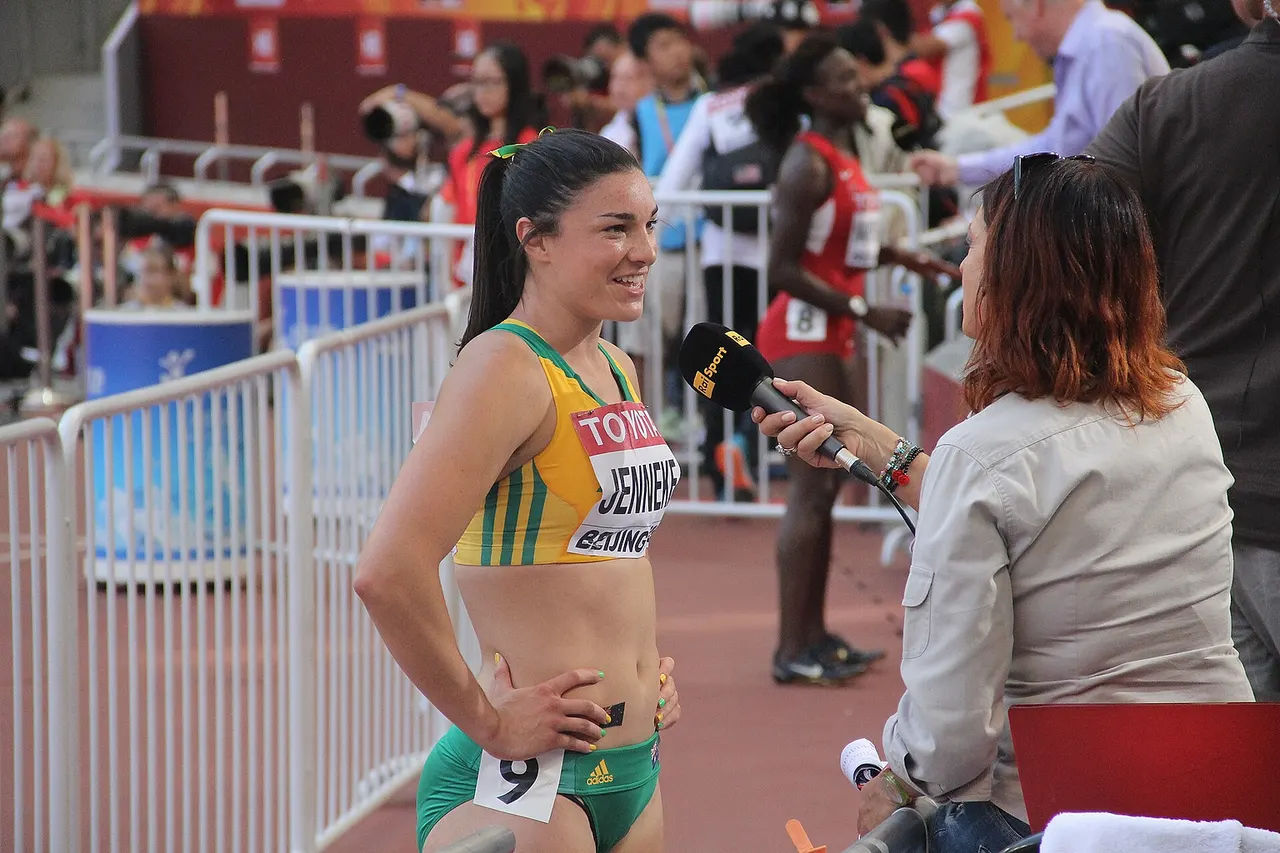
Australian hurdler Michelle Jenneke described the experience of running the 100m hurdles with a tailwind as frightening. She explained that while sprint runners benefit from tailwinds, hurdlers face challenges because the wind can disrupt their crucial stride patterns. "I get pretty jealous when I see the sprinters because you get a tailwind and you run fast, we get a tailwind and we're like 'let's try not to die today'. The hurdles were really coming at us," Jenneke said.
Jenneke clocked a time of 12.72 seconds in the heats, just 0.05 seconds outside her personal best from two years ago, though this was aided by an illegal +4.3 metres per second tailwind. She progressed to the evening's final as the sixth-fastest qualifier.
The temperature dropped as clouds moved over Scotstoun Stadium, adding to the challenging conditions faced by athletes.
Loading comments.