
LHASA, Tibet — On July 30, 2026, Tibet commemorates the 75th anniversary of what China describes as the “peaceful liberation” of the region in 1951. Critics, however, characterize the event as an invasion that has significantly curtailed the rights and cultural freedoms of Tibetans.
Foreign visitors face strict travel restrictions to Tibet, a remote, high-altitude area known for its Buddhist heritage and mountainous landscapes. Recently, the Associated Press joined a government-organized media trip to Tibet, where journalists visited selected sites including palaces, temples, tourist attractions, an eldercare center, and local businesses. Government officials accompanied the journalists, who were not permitted to move freely or report independently.
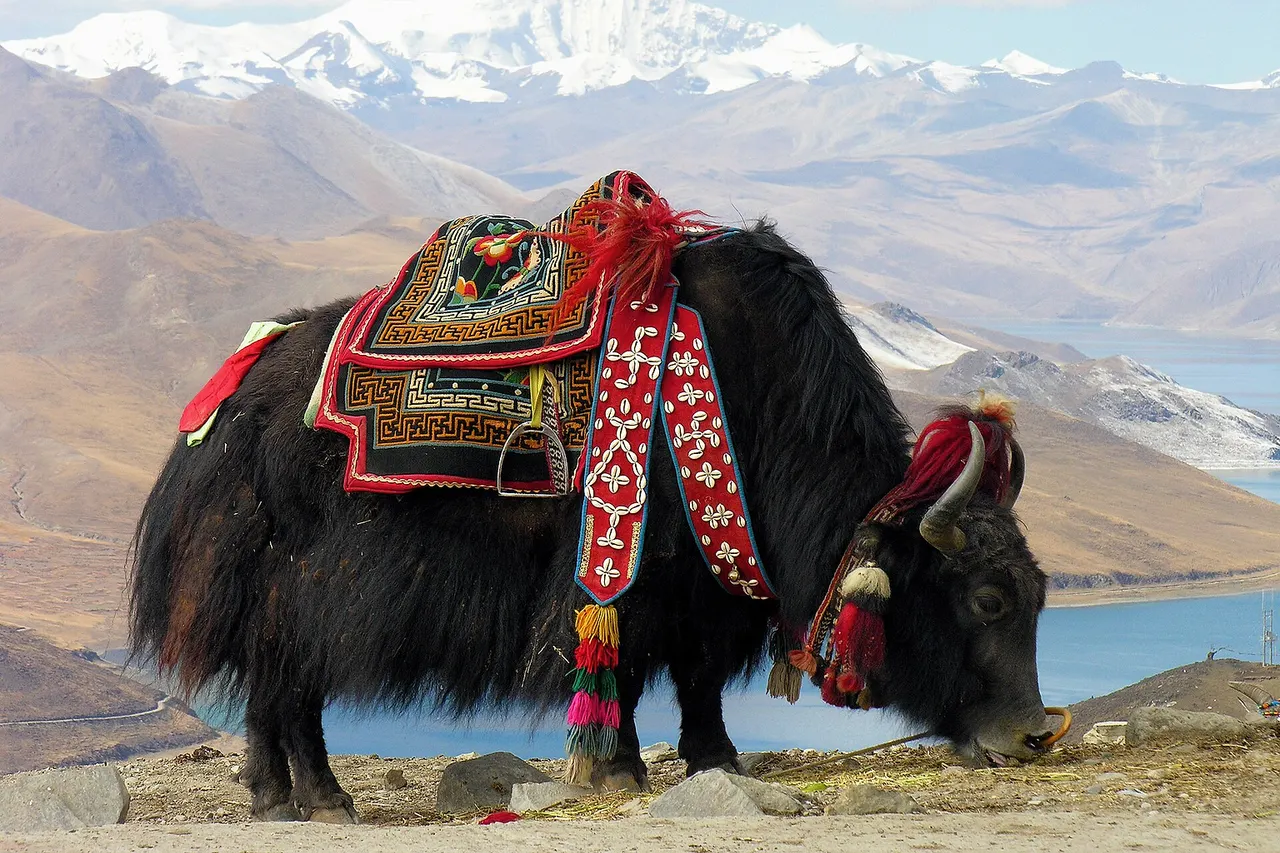
The visit provided a rare glimpse into the daily lives of Tibetans and the increasing population of Han Chinese residents. In Lhasa, the capital, visitors frequent landmarks such as the Potala Palace and Jokhang Temple for sightseeing and prayer. Other notable sites include Yamdrok Lake, situated at 4,441 meters (14,570 feet) above sea level, and Yumbulagang Palace, Tibet’s first palace later converted into a monastery, where worshippers make offerings.
The anniversary highlights ongoing tensions over Tibet’s status and the legacy of China’s control over the region.
Sources
- Washington Times News: Get rare look inside Tibet, 75 years after what China calls a 'peaceful liberation'
Loading comments.