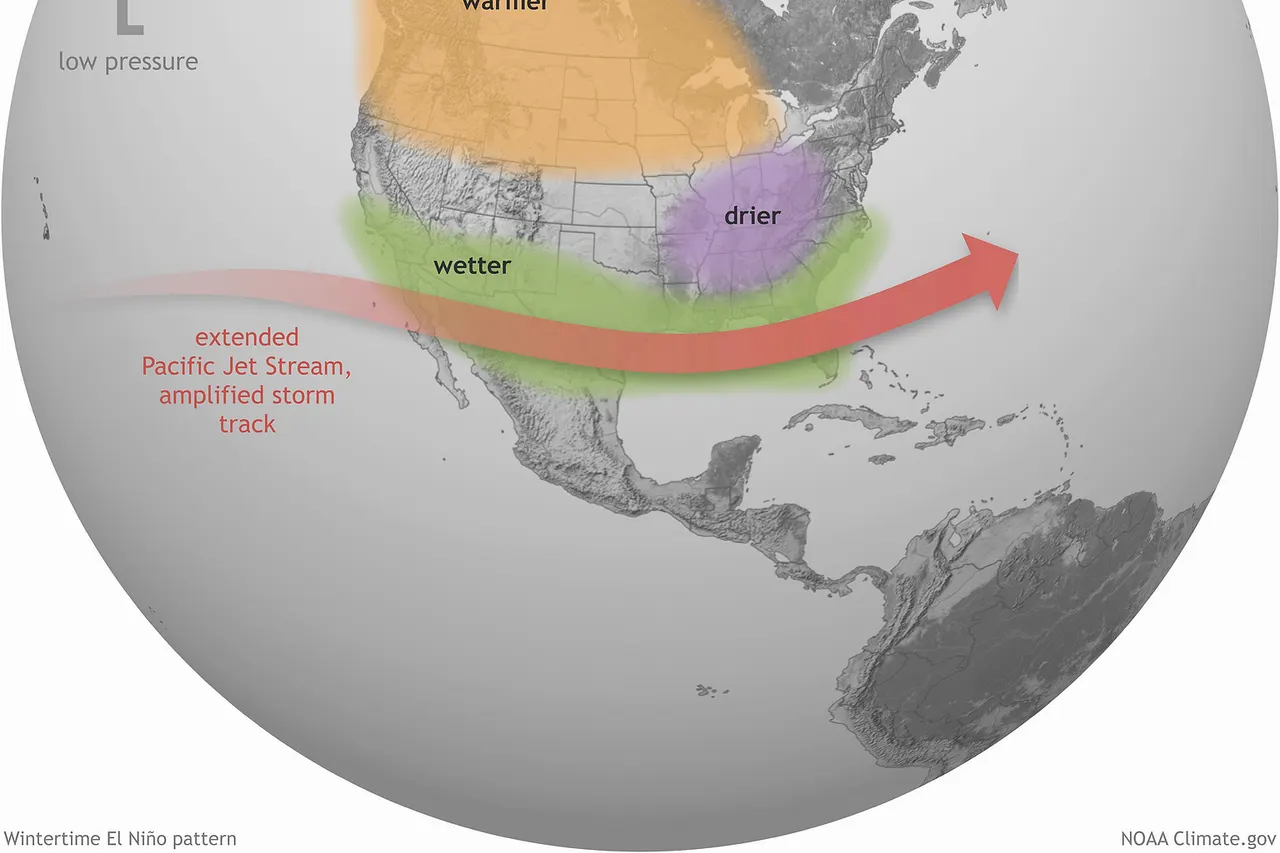

El Niño, a natural climate pattern characterized by periodic warming of the Pacific Ocean, is threatening millions of lives in eastern and southern Africa. Forecasters expect the phenomenon to intensify in the coming months and possibly extend into early 2027.
In eastern Africa, including countries from Somalia to Tanzania, El Niño typically brings excessive rainfall, while southern Africa faces drought conditions. Martha Kalumbi from Malawi shared that the 2024 drought resulted in her family harvesting no maize, and her baby was hospitalized due to malnutrition. She said the failed harvest left her family and others around her with nothing.
Between 2023 and 2025, early anticipatory action funding reached over three million people in southern Africa and 5.5 million in eastern Africa. This funding provided cash and support before setbacks occurred, rather than during crises.
The Food and Agriculture Organization (FAO) and World Food Programme (WFP) are working to assist 8.8 million people across 22 high-risk countries. Their aid includes cash assistance, flood- and drought-resistant farming support, and livestock protection to help communities better withstand the impacts of El Niño.
While El Niño is not caused by climate change, experts note that climate change can worsen its effects.
Loading comments.