
Donald Trump has publicly defended plans for a $1.8 billion fund intended to compensate individuals who claim they were targets of political weaponization. The fund, which also provides immunity to Trump and his businesses from past tax investigations, is at the center of a political standoff delaying the confirmation of his former personal lawyer, Todd Blanche, as US attorney general.
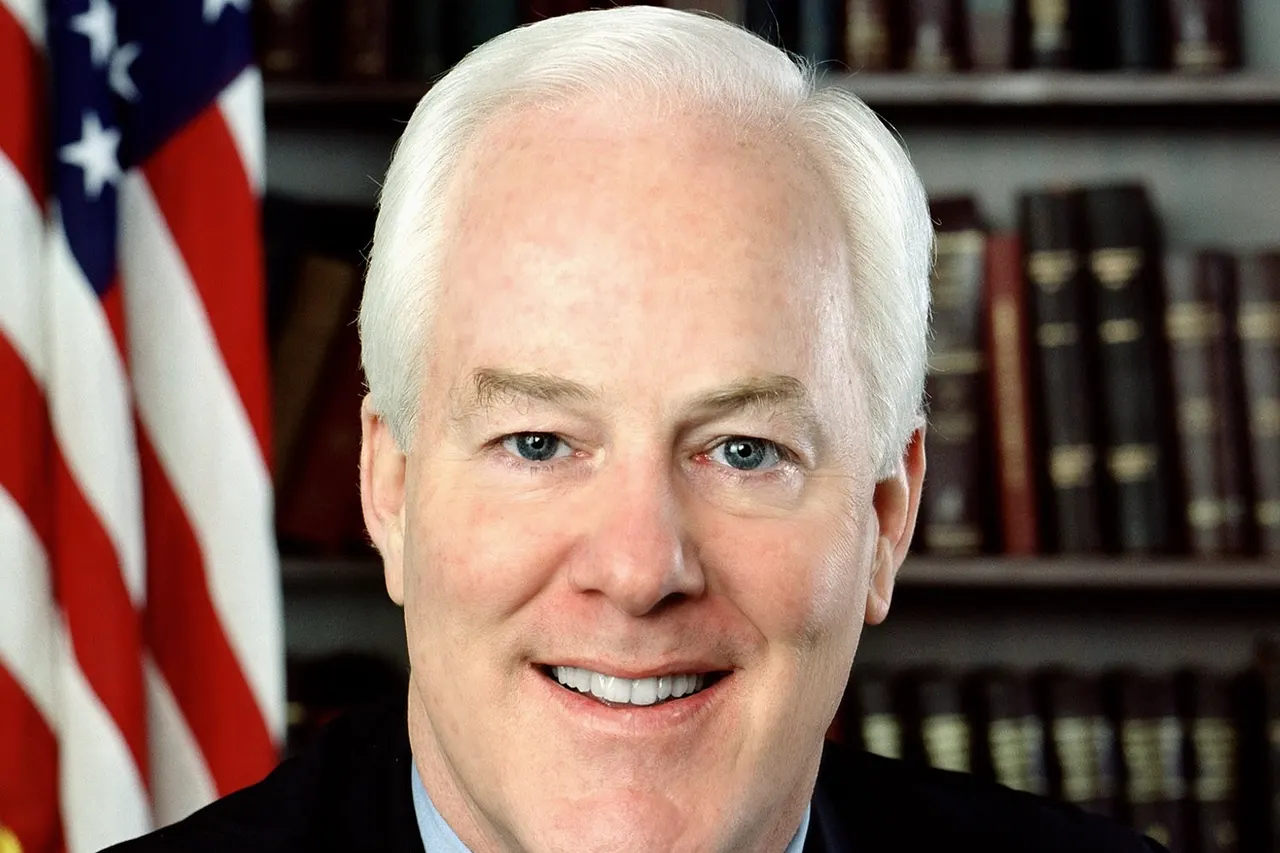
Blanche, who has served as acting attorney general since April, has been nominated for the permanent position. However, Senators John Cornyn of Texas and Thom Tillis of North Carolina have withheld support, demanding written assurances that the fund will never be activated. Trump criticized Cornyn, accusing him of only opposing the fund after Trump endorsed Cornyn's Republican primary opponent, Ken Paxton, who subsequently won the Texas primary.
The fund was proposed by the Department of Justice as part of a settlement to resolve a $10 billion lawsuit Trump filed against the US Internal Revenue Service (IRS) over leaked tax returns. The agreement includes barring the IRS from auditing Trump's tax returns and establishing a secretive fund to be awarded without restrictions to allies of the president.
Democrats and government watchdogs have labeled the fund a "slush fund," warning it could be used to pay defendants convicted for their roles in the January 6 Capitol riot. Blanche reportedly told Senator Dick Durbin that advocating for the fund was a mistake. Following significant backlash, Blanche later stated the fund was dead, but Cornyn and Tillis remain cautious.
Senate Majority Leader John Thune has indicated the nomination vote will proceed once Cornyn and Tillis are satisfied. Trump has called for Blanche to be "immediately approved" by the Senate, emphasizing on his Truth Social platform that the fund "will not benefit me, but rather the great American Patriots who were hunted down like dogs and whose lives were unfairly and illegally destroyed by the Crooked Joe Biden Administration."
Meanwhile, political analysis highlights a growing preference among voters for political outsiders over establishment candidates, reflecting broader shifts in the US political landscape.
Loading comments.