.jpg)
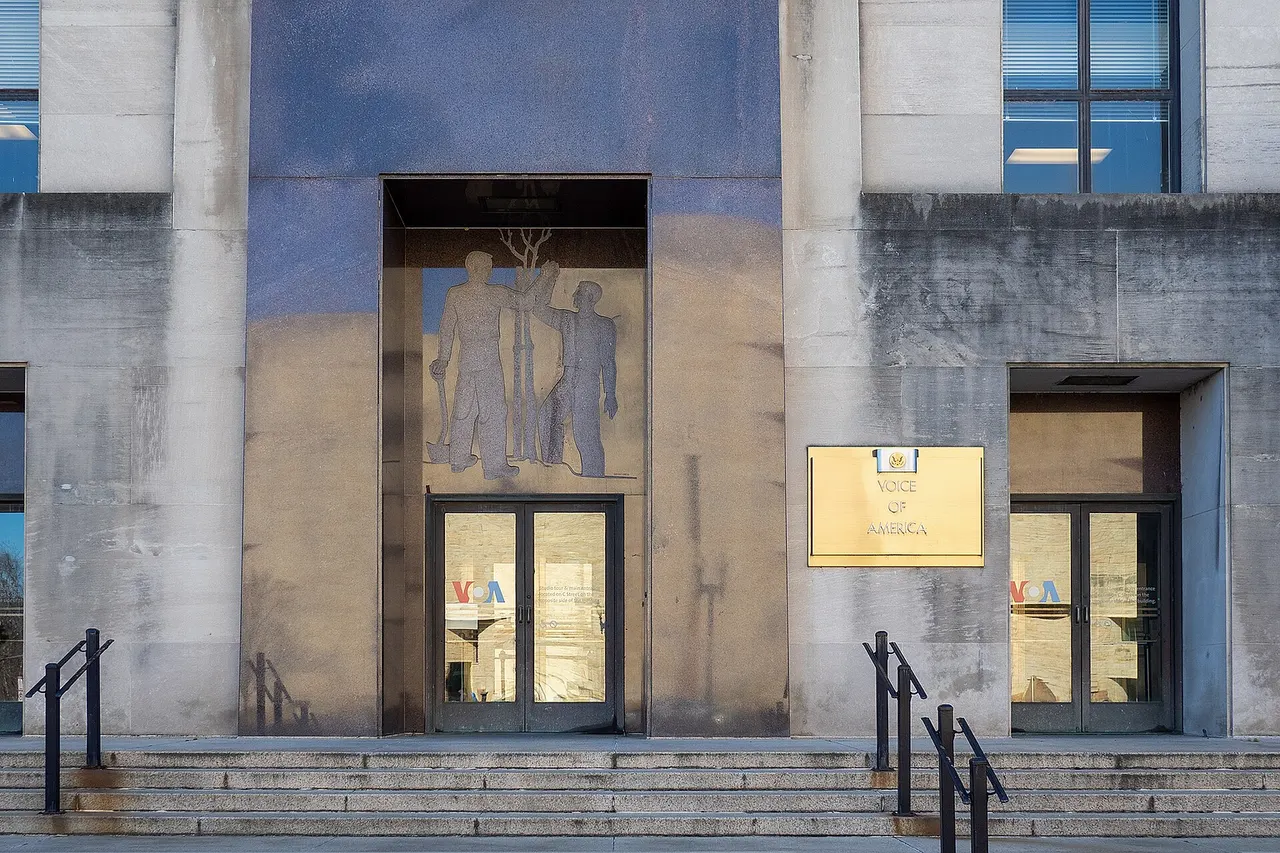
US President Donald Trump’s nominee to head the United States’ international broadcasting agency has pledged to sharpen its media challenge to China. Speaking at a Senate committee hearing on Thursday, July 30th, 2026, Sarah B. Rogers emphasized expanding into short-form videos, podcasts, and diaspora group chats as part of the strategy.
Rogers stated that Asia would remain a top regional priority for the US Agency for Global Media (USAGM), which oversees Voice of America (VOA) and funds Radio Free Asia and other international broadcasters. She described China as "rapacious" and noted that it is expanding its propaganda efforts. "Chinese adversarial propaganda is a problem, and combating it has been a cornerstone of my public diplomacy strategy," Rogers said.
The agency faces challenges, inheriting a weakened structure after the Trump administration’s efforts to dismantle much of its operations last year, including placing around 1,000 VOA employees on paid administrative leave. VOA and Radio Free Asia continue to publish Chinese-language content but at reduced levels.
Rogers also claimed that Chinese propaganda increasingly promotes leftist anti-colonial narratives and antisemitism through coordinated automated or semi-automated social media accounts spreading disinformation.
USAGM plans to expand beyond traditional news formats into newer platforms such as short-form video, diaspora group chats, and podcasts to engage audiences more effectively. Alongside Asia, the agency will prioritize regions including Cuba and the Middle East, with hopes to expand its presence in Africa to counter China’s growing influence.
Loading comments.