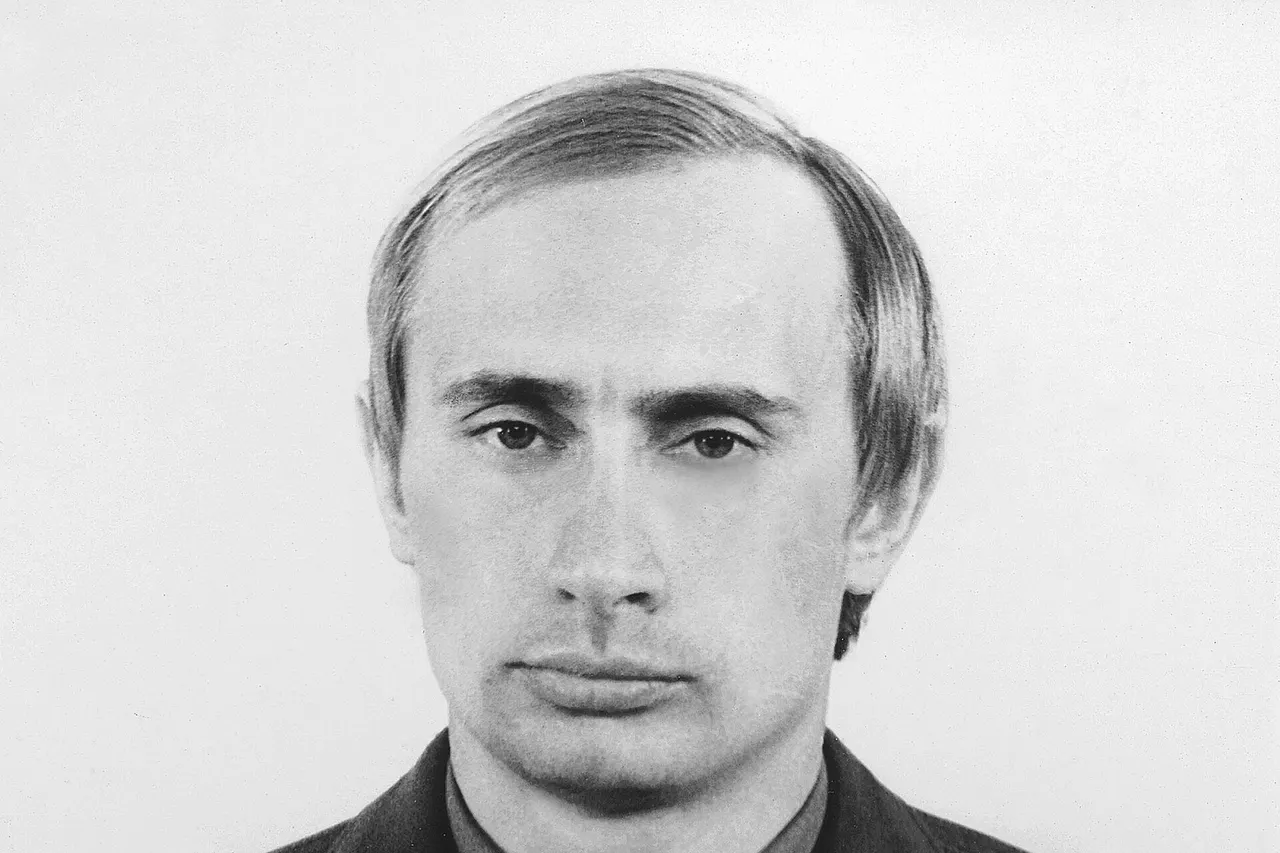

For much of the past decade, global politics have been shaped by the rise of strongmen leaders such as Donald Trump, Xi Jinping, Vladamir Putin, and Recep Tayyip Erdoğan. However, in countries like the United States and Russia, these figures now wield power with diminishing credibility and effectiveness.
This week, former US President Donald Trump announced a 30-year nuclear power deal with Saudi Arabia. The agreement establishes a legal framework allowing US companies to build nuclear infrastructure and export civilian nuclear technology to Saudi Arabia, while excluding competitors like China and Russia. This move has raised concerns as it compromises established non-proliferation standards upheld by the United States and the International Atomic Energy Agency under the Nuclear Non-Proliferation Treaty (NPT).
The announcement barely caused immediate reactions in world markets or diplomatic circles. Early international media reports on Friday morning, Australian time, noted Trump's social media claim of a "HISTORIC agreement for the COMPLETE DISARMAMENT of Hamas and all other armed groups in Gaza." However, as reported by The New York Times, "There was no immediate comment from Hamas or Israel, and it was not clear whether either had signed off on the plan after years of war and a fragile cease-fire."
The ambiguity surrounding Trump's recent meeting with Israeli Prime Minister Benjamin Netanyahu reflects the complex and conflicted positions of Israel and its neighbors in the region. Analyst Gregory Gause highlighted the irony of Israel supporting nascent governments in the Middle East rather than destabilizing them, a factor that must be addressed moving forward.
These developments illustrate a new conflation of factors influencing world events in increasingly disturbing directions, beyond the traditional narrative of strongmen dominance.
Sources
- ABC Australia News
- The New York Times (as cited by ABC Australia News)
Loading comments.