
On Wednesday, July 31st, 2026, the US Senate Homeland Security and Governmental Affairs Committee held a hearing that once again brought to the forefront the contentious debate over the origins of COVID-19 and the government's handling of the pandemic. The hearing primarily featured criticism from Republican members directed at immunologist Anthony Fauci, who led the US pandemic response.
Committee chair Rand Paul and several Republicans reiterated claims that SARS-CoV-2, the virus causing COVID-19, originated from a laboratory in Wuhan, China, rather than through natural animal-to-human transmission. This stance contrasts with other perspectives and continues to fuel partisan divisions.
Stephen Morrison, director of the Global Health Policy Center at the Center for Strategic and International Studies, described the hearing as reflecting "the deep, enduring partisan divides over the issue."
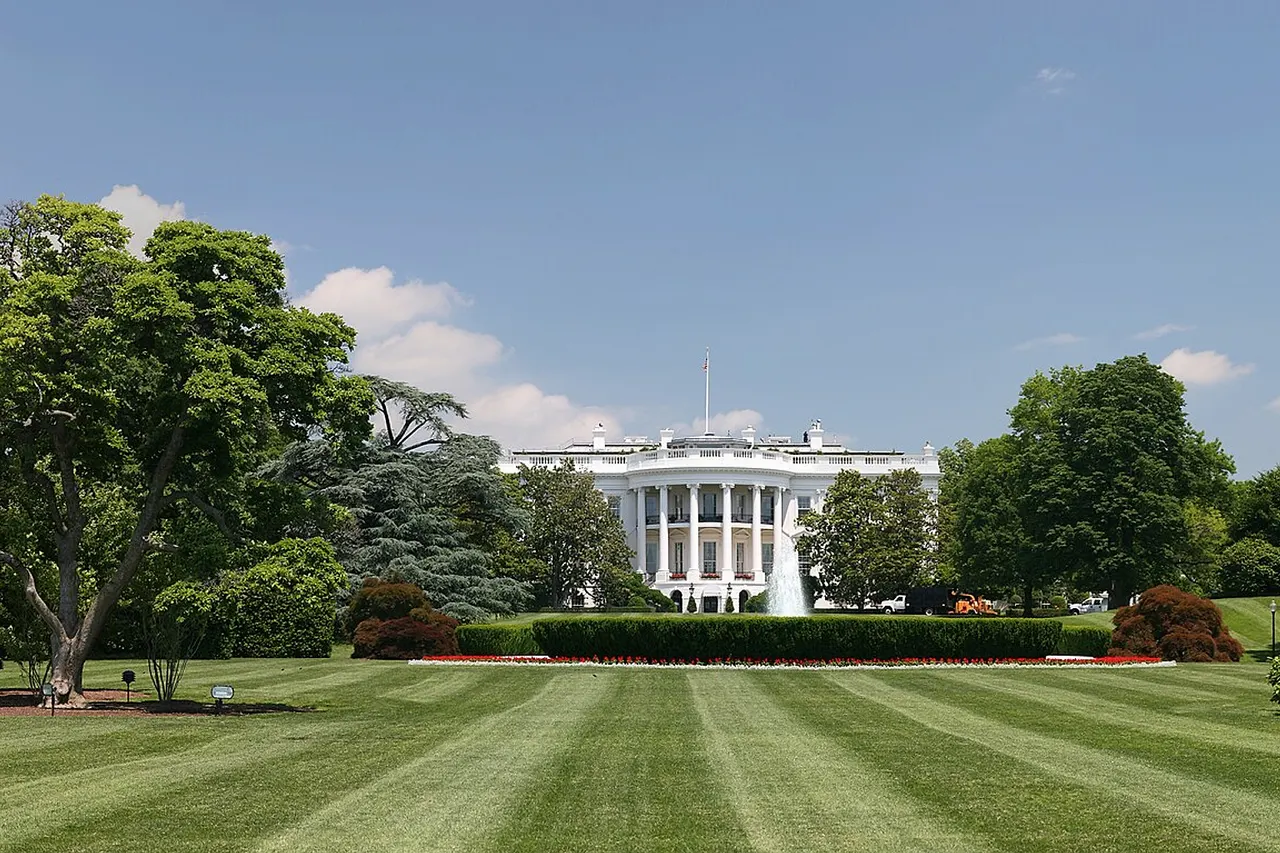
The White House, drawing on a 2024 report, maintains that SARS-CoV-2 "possesses a biological characteristic that is not found in nature" and that "data shows that all COVID-19 cases stem from a single introduction into humans," distinguishing it from previous natural pandemics. In April 2025, shortly after President Trump's second term began, the White House launched a webpage claiming to reveal "the true origins of COVID-19," largely based on this report.
Public trust in health authorities appears divided; a June 2026 poll by the Harvard TH Chan School of Public Health and the de Beaumont Foundation’s Public Health Listening Lab found that only 50 percent of respondents trusted recommendations from the Centers for Disease Control and Prevention (CDC).
The hearing underscored the persistent political polarization surrounding the pandemic's origins and response, with little new evidence emerging to resolve the debate.
Loading comments.