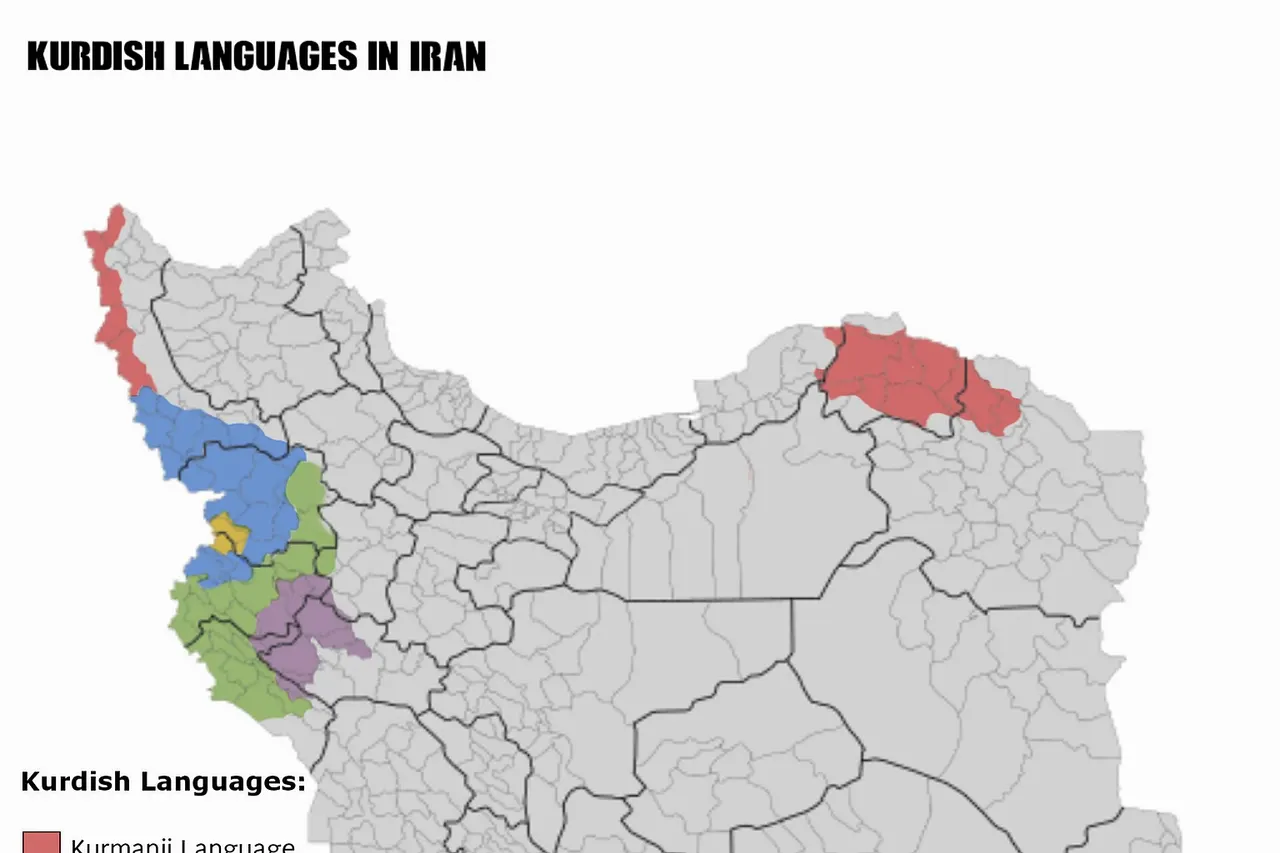

Erbil, Iraq – Since the United States-Israel strikes on Iran began on February 28, Iranian Kurdish opposition parties have been on high alert. Their bases, located both in the semi-autonomous Kurdish Region of Iraq and inside Iran, have become frontline positions in the ongoing conflict.
The possibility of Iranian Kurdish fighters entering the war to challenge the Iranian government has been widely discussed. US President Donald Trump and Israel have suggested that arming these fighters could shift the balance of power inside Iran, where Kurds constitute about 10 percent of the population.
Kurdish groups on both sides of the Iran-Iraq border have historically flourished following Iraq's defeat in the 1990-1991 Gulf War, which led to the establishment of a no-fly zone in northern Iraq and self-rule by the Kurdistan Regional Government.
Despite having thousands of fighters, a Kurdish leader, Sharifi, stated, “We could have done more inside Iran, but we place the security and stability of the Kurdistan Region at the top of our priorities, and we do not want to harm the Kurds in Iraq.”
Palani, another regional observer, noted, “Iraq’s Kurdistan Region has given these parties a space for political, organisational, and military activity, but at the same time it has made the region vulnerable to the repercussions of any confrontation between them and Tehran.”
Furthermore, it was highlighted that Arab countries have not provided similar support to the Arab-Iranian opposition, especially in the Ahwaz region, making it difficult for Iranian Kurdish parties to expect direct Arab backing if they decide to open a military front inside Iran.
This delicate balance underscores the complex regional dynamics faced by Iranian Kurdish groups amid the broader conflict involving Iran, Iraq’s Kurdistan Region, and international actors.
Loading comments.