
Donald Trump and Volodymyr Zelenskyy’s relationship has shifted from a fraught beginning to a more cooperative dynamic, according to recent developments reported on August 1, 2026. Initially marked by a contentious meeting in February 2025 that saw Trump publicly rebuke Zelenskyy, the two leaders have since engaged in a series of positive interactions.
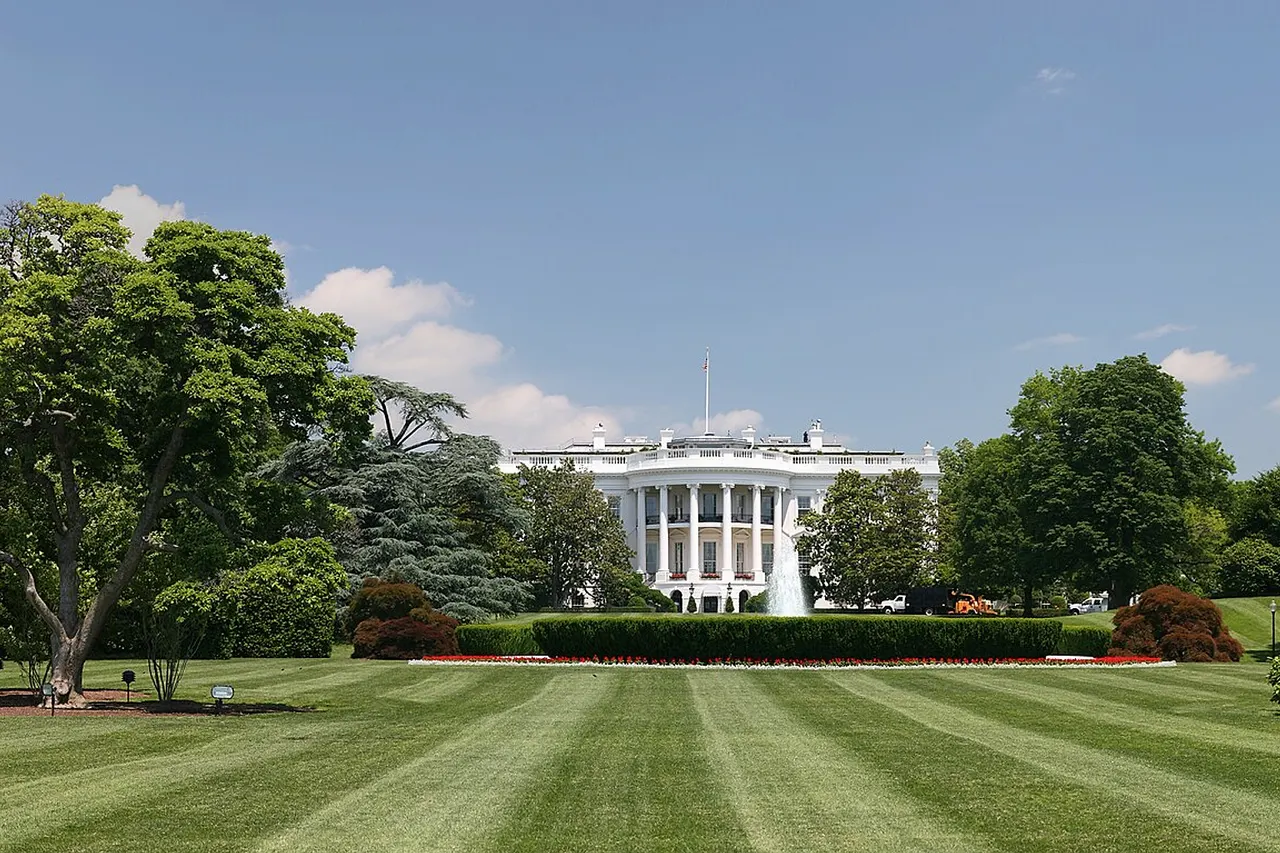
Charles Kupchan, a senior fellow at the Council of Foreign Relations and former White House adviser, noted that Trump has clearly warmed up to Zelenskyy, moving from a phase of rejection to one of reasonably good relations supported by multiple successful meetings. This week, the leaders met again at the White House following Zelenskyy’s visit to Washington for the funeral of Lindsey Graham, a Republican senator known for his strong support of Ukraine during its conflict with Russia.
The improved rapport follows Trump’s recent praise of Zelenskyy at the NATO summit in Ankara, where he also indicated he would grant licenses for Ukraine to develop Patriot missile interceptors, though he later expressed some doubt about this promise at a cabinet meeting.
The backdrop to this shift includes the deepening crisis in the Middle East, particularly over the Strait of Hormuz, a vital waterway Iran has effectively closed since the start of the war, threatening global economic stability. A June memorandum of understanding aimed at a 60-day ceasefire has been rendered moot as hostilities resumed.
Iranian analyst Trita Parsi, vice-president of the Quincy Institute for Responsible Statecraft, suggested that Trump’s changing attitude may stem from his difficult position in the ongoing war and Ukraine’s new approach of offering help rather than seeking American charity.
Ukraine has also faced sustained attacks from Iranian Shahed drones, supplied to Moscow early in Russia’s 2022 invasion, underscoring its strategic importance. Kupchan described Zelenskyy as a “good salesman” who has convinced Trump that Ukraine is a valuable ally by providing assistance that appeals to Trump’s transactional instincts.
This evolving relationship contrasts with the historically warmer alliances such as Ronald Reagan’s with Margaret Thatcher or his pragmatic engagement with Mikhail Gorbachev during the Cold War.
Loading comments.