
July 2026 was one of the driest months on record for large parts of Western Australia (WA), with rainfall totals well below the long-term averages despite a wet start to winter. Perth recorded only 56.8 millimetres of rain, less than half its usual July average of 147 mm. The broader South West region experienced an average rainfall of about 39.7 mm, marking the lowest since records began.
In contrast to the dry conditions, some areas saw intense localized rainfall. For example, Coorow in the Midwest received 58 mm of rain overnight, leaving a road impassable, as photographed by local resident Peter Randell.
Temperatures also dropped significantly in some regions. Wandering in the Great Southern fell below zero six times during the month, while Salmon Gums nearly recorded its coldest July minimum on record at -4.4 degrees Celsius.
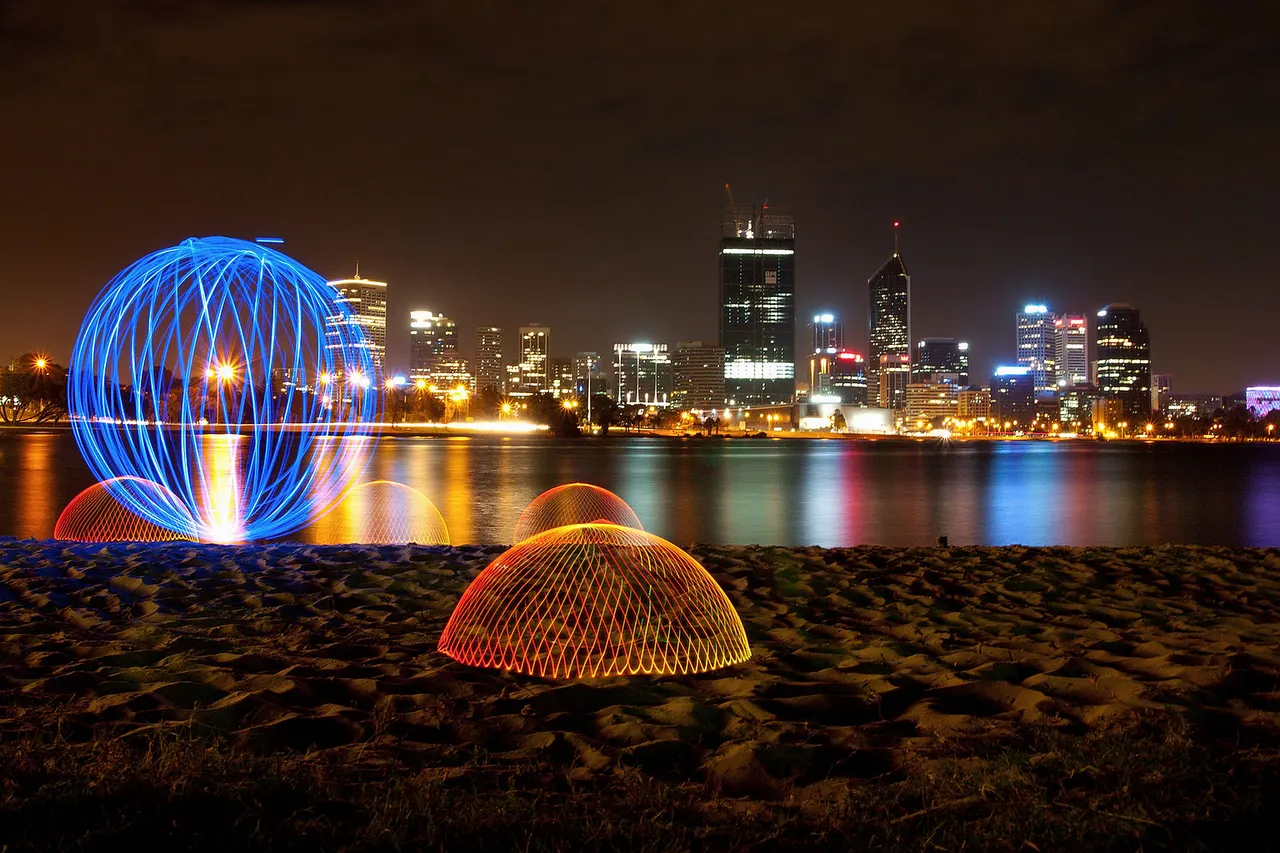
Despite the dry weather, July was visually eventful, with stunning natural phenomena such as double rainbows, fog, and dazzling stars captured in photographs from locations including Ferguson Valley near Bunbury and the Mandurah estuary.
These observations highlight the variability of weather across WA during July 2026, combining record low rainfall in many areas with striking meteorological events.
Sources
- ABC Australia News, "Dry July for Western Australia as stunning pictures tell story," August 1, 2026. Link
Loading comments.