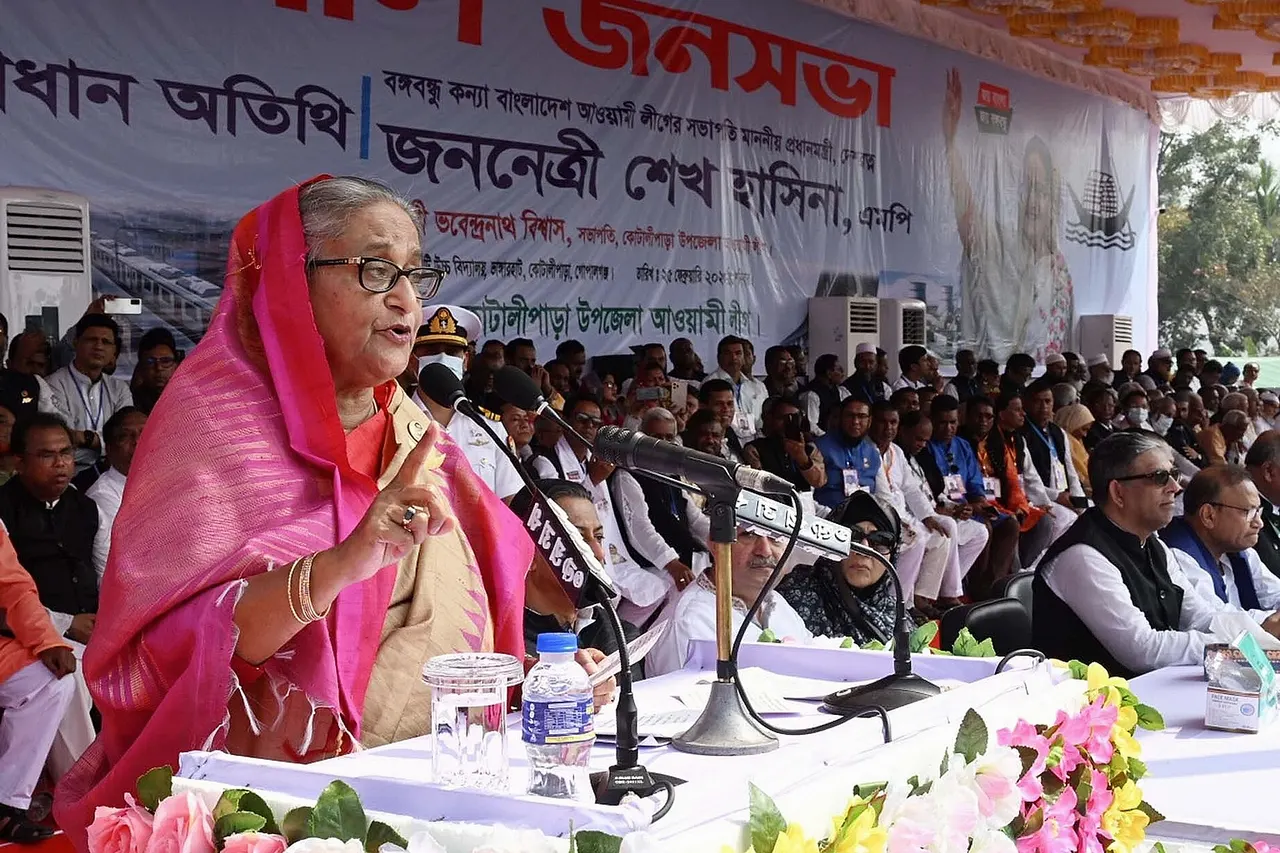

Just two years after a student-led uprising toppled Prime Minister Sheikh Hasina, many observers fear Bangladesh is backtracking on promised reforms. Hasina, who fled to India in August 2024 after unrest that killed over 1,000 people, remains in self-exile and has been sentenced to death by Bangladesh's International Crimes Tribunal for crimes against humanity committed during the uprising.
The protest movement initially began in 2018 over a controversial quota system for government jobs. Ali Riaz, who led the interim government's Constitution Reform Commission, noted that the interim government had made "time-bound commitments," including creating a constitutional reform council and implementing reforms within 180 working days. The interim government introduced 133 ordinances as part of its reform agenda. However, after the Bangladesh Nationalist Party (BNP) came to power, it refused to adopt 20 of these ordinances, including those related to the National Human Rights Commission (NHRC), the Anti-Corruption Commission, enforced disappearances, and referendums.
Human Rights Watch (HRW) reported the alleged abduction of Miraj Sheikh on April 21 by men purportedly posing as Coast Guard personnel, marking the first reported enforced disappearance since the 2024 uprising.
Mohammad Tanzimuddin Khan, a professor of international relations at Dhaka University, told Deutsche Welle, "At the end of the day, we did not see the elimination of discrimination, the creation of an inclusive society, or the new political order that was promised. It seems we are forgetting the very reasons behind the uprising of last July, especially those who came to power."
With Hasina planning a return to Bangladesh in December 2026, the country's political future remains uncertain amid accusations that the current government has failed to deliver on its reform promises.
Loading comments.