.jpg)
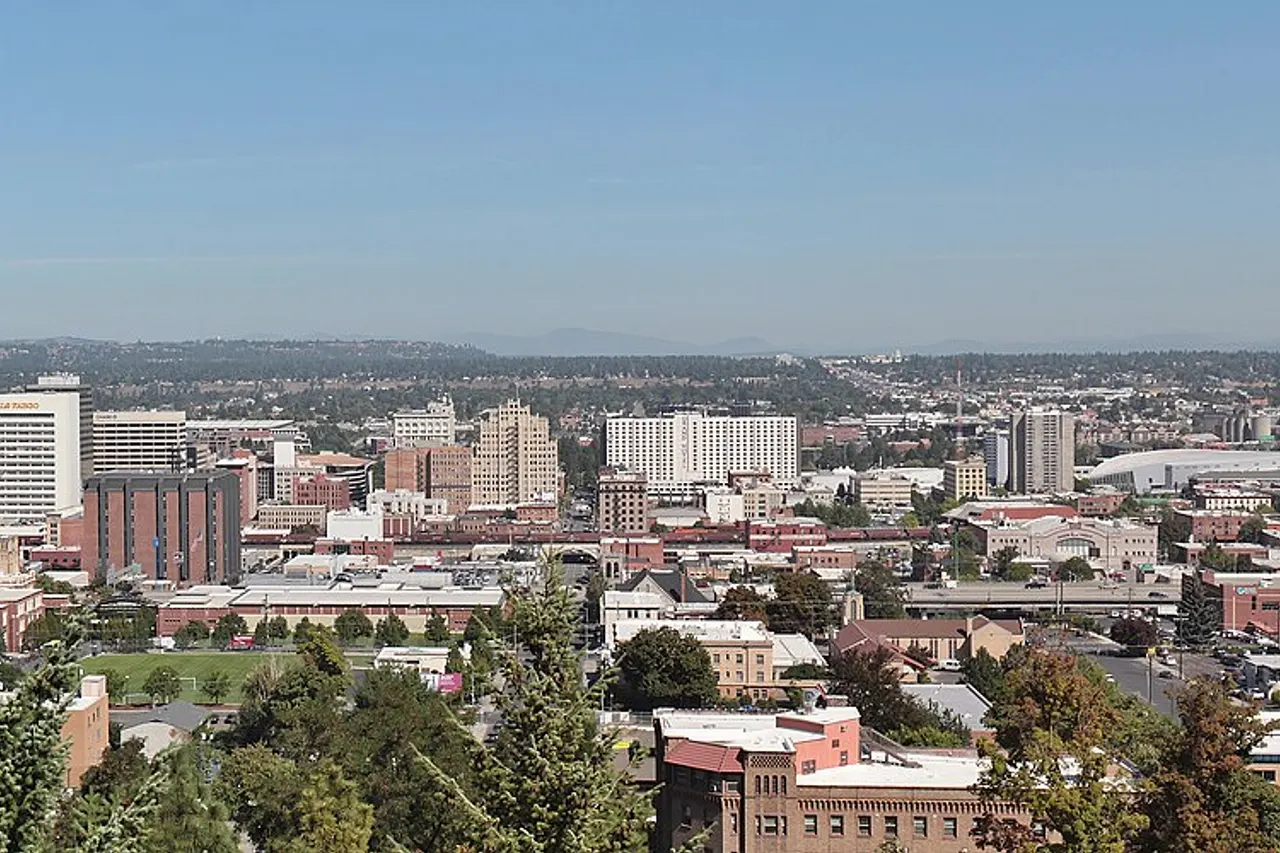
Wildfires intensified by drought and extreme heat swept through Spokane, Washington, forcing the evacuation of approximately 65,000 residents and destroying between 700 and 1,110 structures since the fires began over the weekend. The combined blazes have burned 8,026 acres (3,248 hectares) in the Spokane area, according to InciWeb, a federal interagency information system.
Firefighters made significant progress on Monday, August 4th, aided by cooler temperatures, increased humidity, and thick smoke. However, a warming trend is expected to return mid-week, with temperatures rising into the mid to high 90s Fahrenheit (mid-30s Celsius) and low humidity.
Spokane resident Geoff Beadles described the devastation as "one of the most heartbreaking things I've ever seen in my life," after evacuating with his fiancée and two dogs. Authorities are attempting to contact 14 individuals who have not been reached by cell phone but are not yet presumed missing, according to Sheriff John Nowels.
Mayor Lisa Brown reported that officials are conducting block-by-block assessments for damage and potential reignition but could not provide a timeline for residents to return home, noting that it "could be weeks, depending on where your home and property is."
David Upthegrove, head of Washington's Department of Natural Resources, stated that the Spokane fires are among 16 major wildfires burning across the state, collectively covering 262,000 acres. Officials have described the event as likely the worst natural disaster in Spokane's history.
The wildfires contribute to a cycle of increased carbon dioxide emissions, which accelerate planetary warming by enhancing the drying of organic matter.
Sources
- France 24 English (August 4, 2026)
Loading comments.