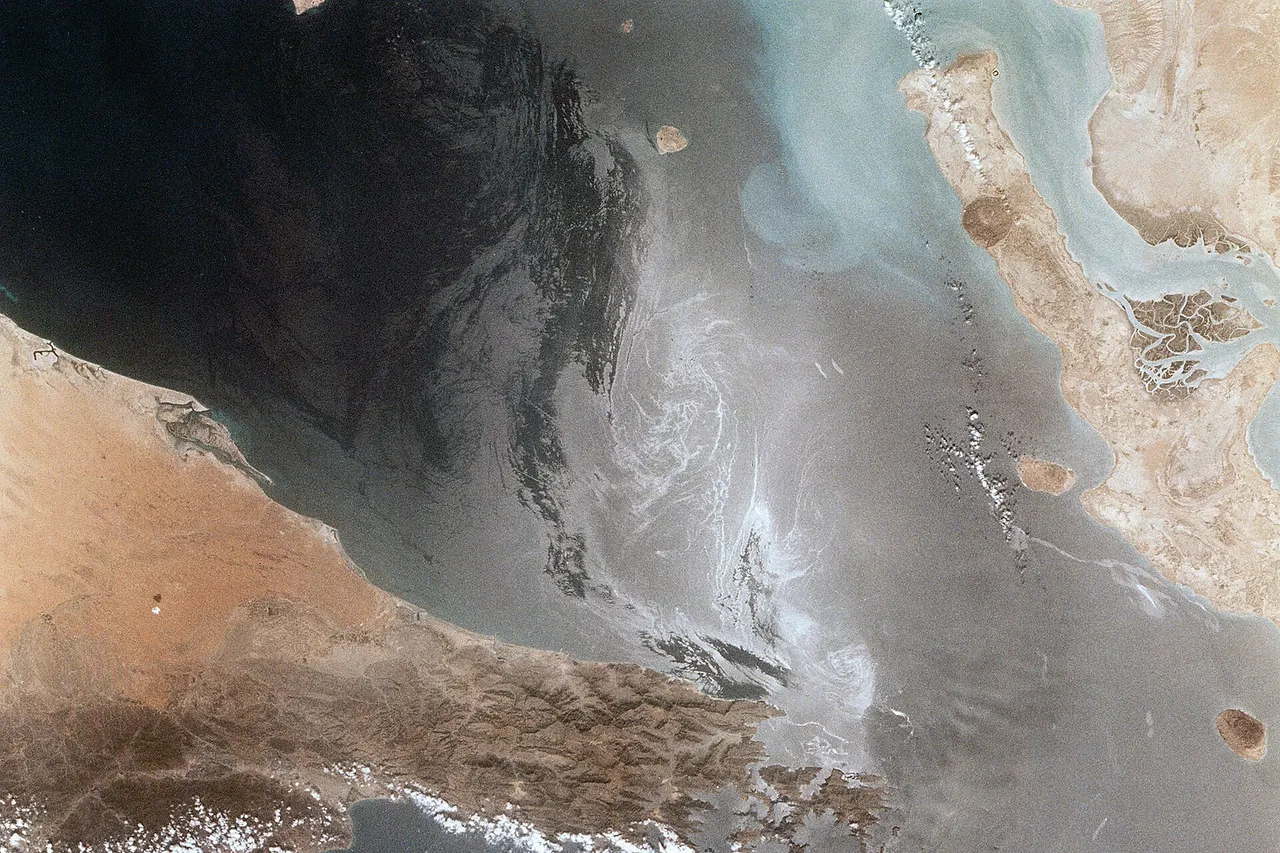

On Sunday, August 9th, 2026, Iran’s Revolutionary Guards declared that the Strait of Hormuz will remain closed until the United States complies with Tehran’s demands. These demands include an end to sanctions, the release of frozen assets, lifting of a US counterblockade on Iranian ports, and compensation for war damage.
The blockade of this crucial energy route has unsettled allies, disrupted markets, and driven up global prices. Despite this, US President Donald Trump stated he is "low-keying it" in his approach to negotiations with Iran, implying a strategy of economic patience.
Tehran insists on retaining control over the Strait of Hormuz post-conflict and aims to impose tolls on passage, having repeatedly targeted ships it accuses of bypassing its preferred route. This situation has escalated tensions, with attacks in the waterway leading to the collapse of an April ceasefire. Mediators have urged both sides to adhere to a June memorandum outlining a path for peace talks.
Iran's Supreme National Security Council outlined conditions for reopening the strait, mirroring the June agreement which proposed a $300 billion reconstruction fund for Iran. The memorandum also stated that Tehran and Muscat would negotiate future administration of the strait with other Gulf countries, "in line with the applicable international law," which generally prohibits tolling in such waterways.
Meanwhile, Saudi Arabia continues to support Yemen's internationally recognized government in its conflict against the Houthis. The 2022 UN-backed ceasefire has deteriorated since the Houthis declared their blockade last month. A medical source in government-held Mokha reported that on Sunday, three civilians and eight military personnel were killed, with 32 others wounded due to Houthi strikes on the city's port.
Iran’s Revolutionary Guards described the strait as "now actually a theatre of war for us and not just a waterway," emphasizing their intent to maintain the blockade until their conditions are met.
Loading comments.