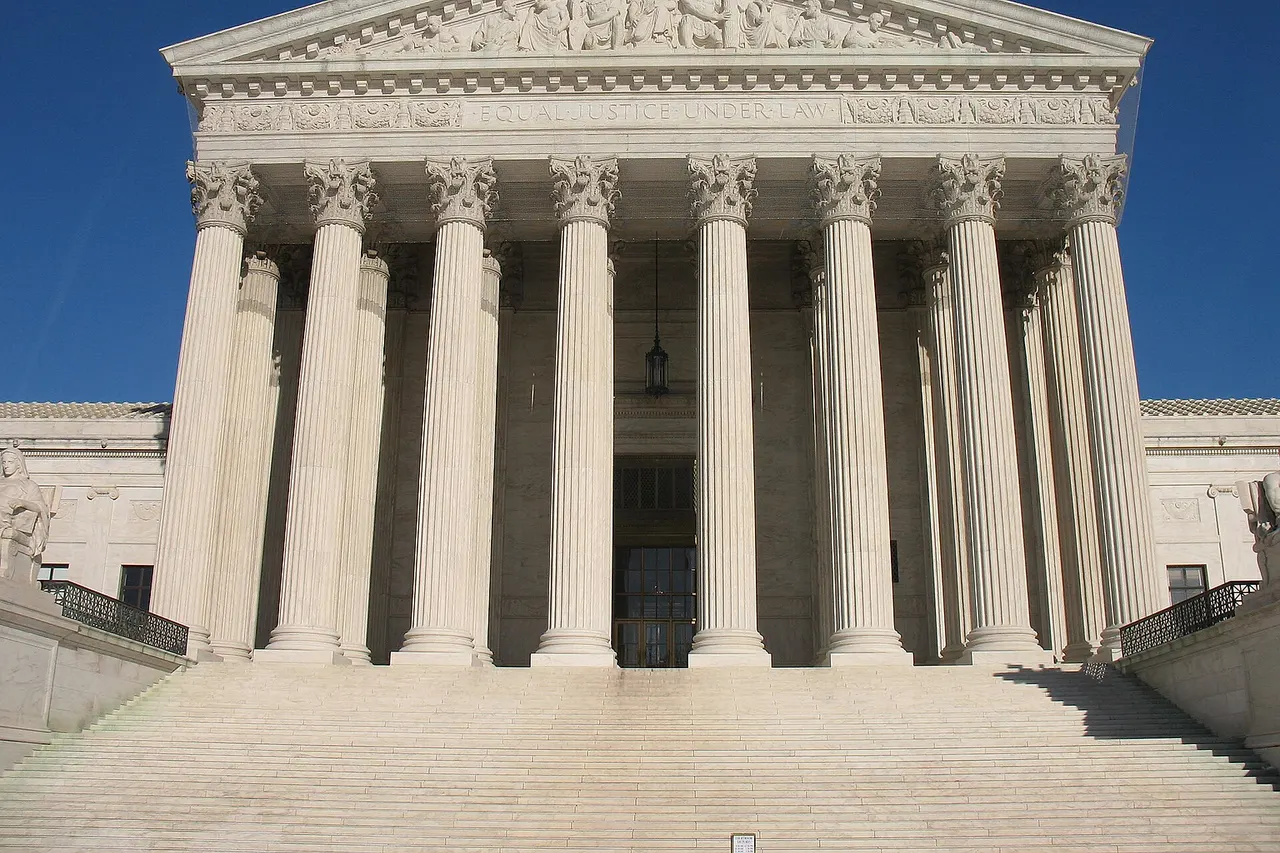

On Monday, August 10th, 2026, the Supreme Court concluded its term with two significant cases involving President Trump and Chief Justice John Roberts. These cases underscore the dual nature of Roberts's leadership, as he balances between deciding only what is necessary and sometimes taking a more expansive role.
Legal analyst Josh Blackman, writing for Law & Liberty, described this dynamic as a “Tale of Two Chiefs,” reflecting the contradictions in Roberts’s twentieth year on the Court. The outcome of these cases depends largely on whether Roberts views the decisions as heralding the best or worst of times for the Court.
In these rulings, Justices Kavanaugh and Barrett played pivotal roles. The Court, often described as the "Roberts +1 Court," saw the three progressive justices align with Roberts, joined by either Justice Barrett or Kavanaugh. Specifically, Justice Barrett provided the crucial +1 vote in the birthright citizenship case involving the Fourteenth Amendment.
Blackman notes that these rulings set important precedents only because Justices Kavanaugh and Barrett fully supported them. He also highlights the strategic restraint in some decisions, where Barrett could have opted not to definitively set a constitutional rule, given that the statute in question already incorporates the constitutional standard.
This final day of the Supreme Court term thus reveals the complex interplay of judicial philosophy and strategy under Chief Justice Roberts’s stewardship.
Sources
- Josh Blackman, "A Tale of Two Chiefs," Reason, August 10, 2026: https://reason.com/volokh/2026/08/10/a-tale-of-two-chiefs/
Loading comments.