
More than 2,500 years after Homer’s epic The Odyssey first told the tale of Odysseus’s journey across the Mediterranean, the sea itself faces an ecological odyssey of its own.
Situated between Africa, Asia, and Europe, the Mediterranean Sea has long been a crucial corridor for commerce, culture, and livelihoods. Today, its shores are home to over 500 million people, including around 25 coastal metropolitan areas. It supports some of the world’s busiest shipping lanes, extensive fishing, and tourism industries.
Despite covering just one percent of the world’s ocean surface, the Mediterranean contains up to 18 percent of all known marine species, with more than a quarter found nowhere else on Earth. Underwater meadows of Posidonia oceanica, an endemic seagrass also known as Neptune grass, span over 1.2 million hectares, providing essential habitats and contributing to carbon sequestration.
Efforts to protect this ecological treasure have been underway for decades. The Mediterranean Action Plan (MAP) of the UN Environment Programme (UNEP), established in 1975, was the first regional initiative under UNEP’s broader regional seas programme, which now includes 145 countries worldwide.
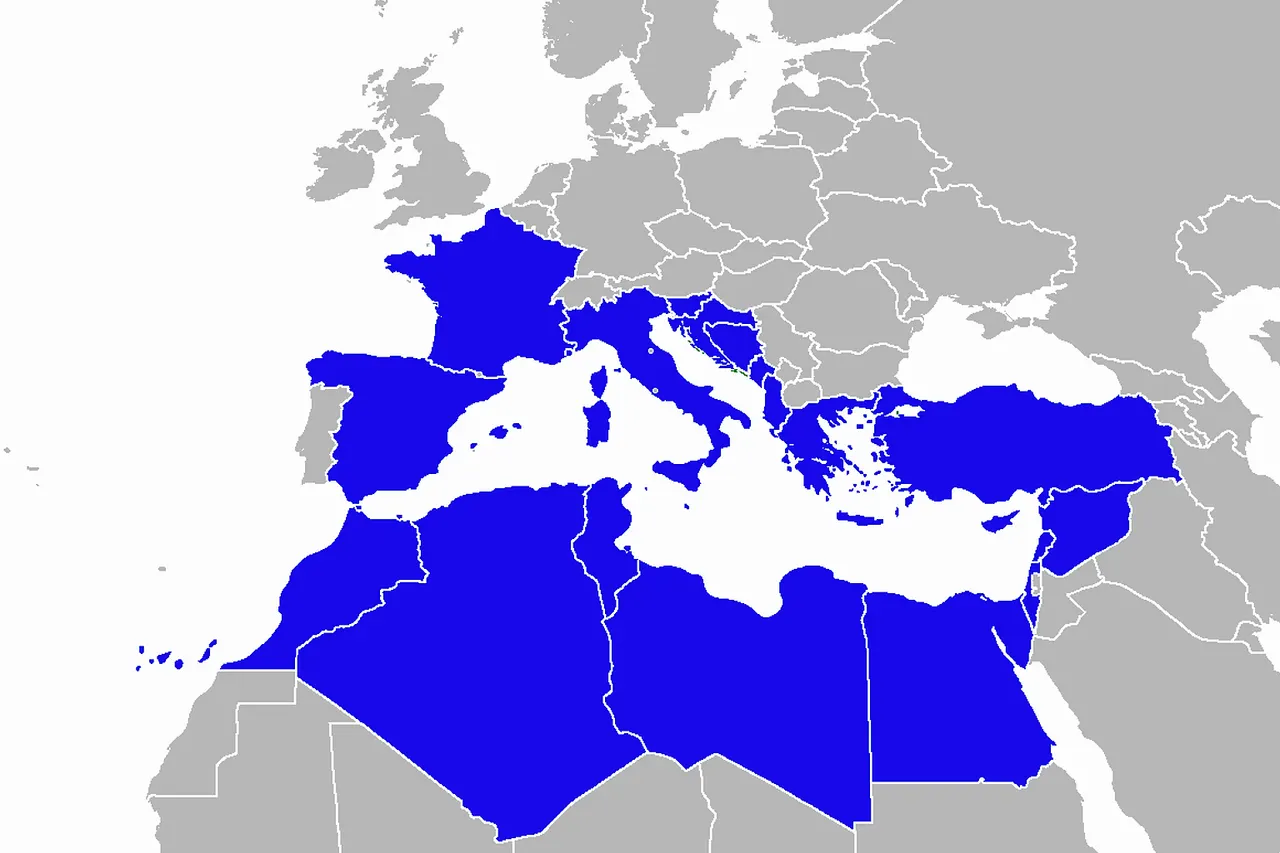
A landmark agreement, the Barcelona Convention, adopted by Mediterranean countries in 1976, serves as the region’s primary legally binding framework for marine and coastal environmental protection. Through UNEP/MAP and the Barcelona Convention, 21 Mediterranean countries and the European Union collaborate to establish collective rules, monitor the sea’s health, and translate regional commitments into national actions.
Tatjana Hema, UNEP programme coordinator, emphasized the goal: “What we’re pursuing is a healthy, thriving sea whose magnificent wildlife, ecosystems and industries can sustainably support the millions of people across a multitude of cultures who call the region home.”
This coordinated approach reflects the Mediterranean’s enduring significance and the urgent need to address the environmental strains it faces.
Sources
UN News: The Mediterranean’s own odyssey: An ecological treasure feels the strain
Loading comments.