
The Columbia Police Department (CPD) in South Carolina posted an image on Facebook on June 25 stating it has "zero tolerance for hate speech." The image featured a police officer holding a phone displaying "BLOCK LIST LOADING," accompanied by a caption noting an increase in "vulgar, racist, threatening, bullying, and disrespectful comments" on their social media posts. The CPD stated that such language and behavior "will not be tolerated on our social media platforms," and that "comments that violate these standards may be hidden, removed, or handled accordingly."
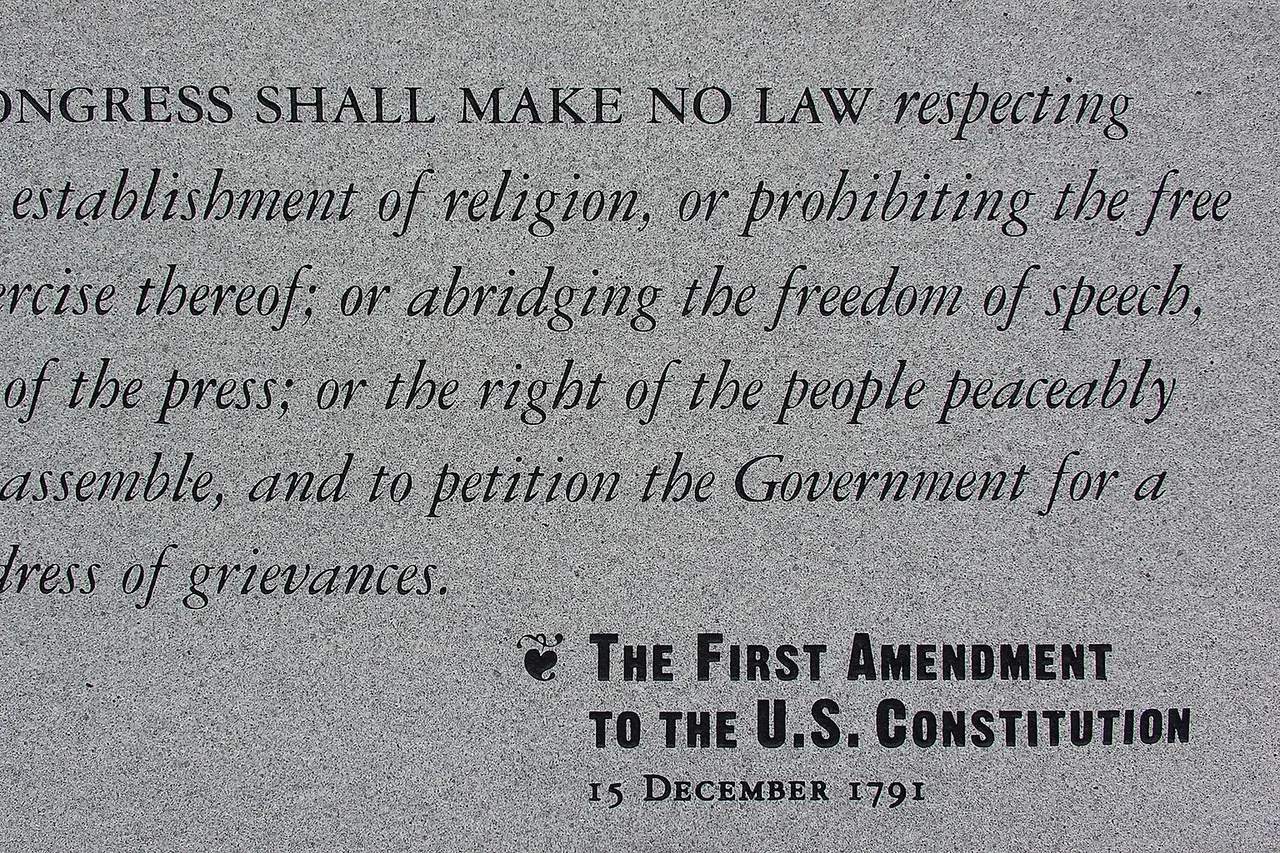
Last week, the Foundation for Individual Rights and Expression (FIRE), a First Amendment advocacy organization, sent a letter to Columbia's police chief challenging the CPD's policy. FIRE argued that the ban on "hate speech" and other categories like "inappropriate," "offensive," "racist," or "disrespectful" comments constitutes unconstitutional viewpoint discrimination, as these terms are subjectively applied based on the speaker's perspective.
This is not the first time such moderation practices have faced legal scrutiny. In 2019, a Virginia resident sued the Loudoun County Board of Supervisors after being blocked from a public official's Facebook page, citing First Amendment violations. Similarly, in 2021, a federal court ruled that the Arkansas State Police violated the First Amendment by using a strict moderation filter that blacklisted words such as "pig," "copper," and "jerk" on its Facebook page. The court emphasized that while some terms may have an "anti-police bent," the First Amendment protects disrespectful language, and that the word "jerk" was unjustifiably prohibited given the context.
The CPD's Facebook post also linked to Ariana Grande's song "thank u, next," highlighting the department's stance against hate speech online.
Loading comments.