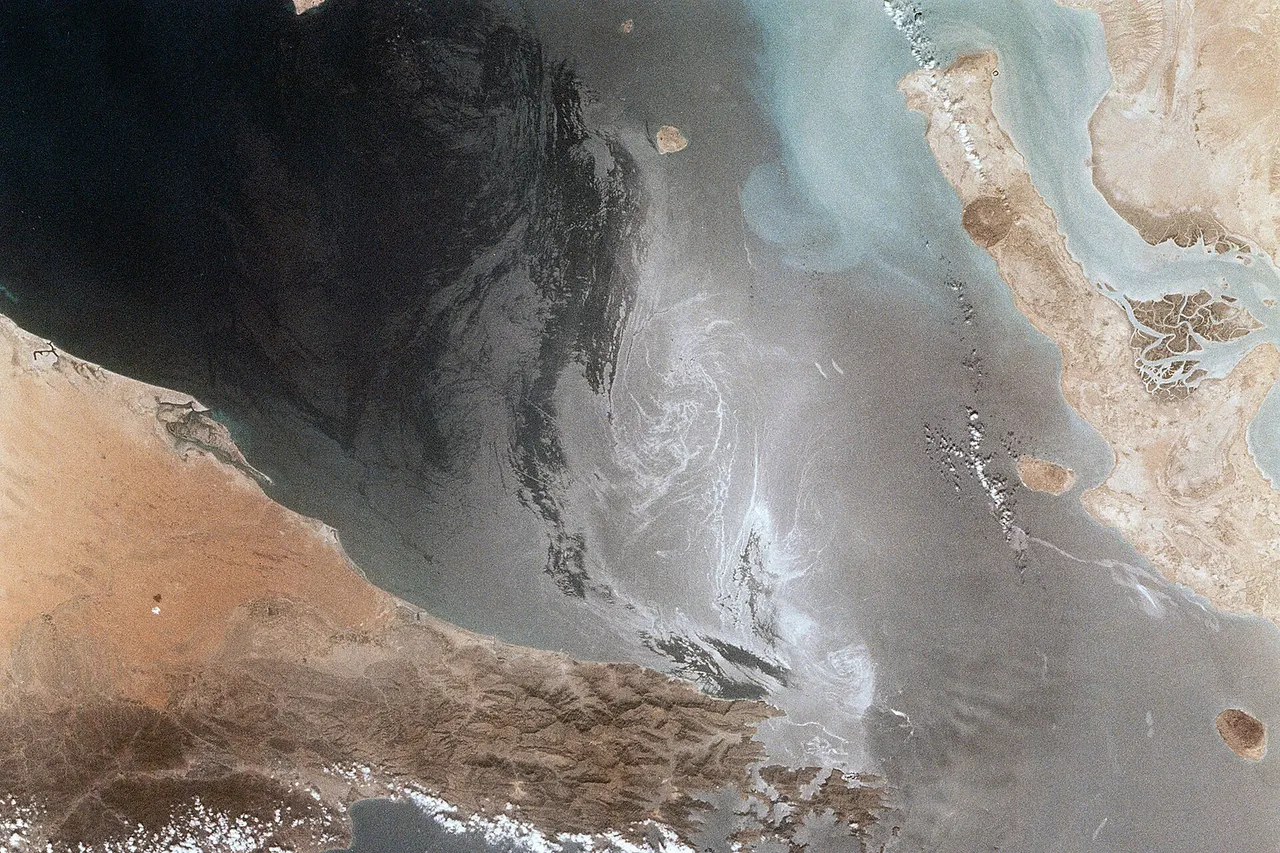

Oil prices have risen sharply following recent attacks on shipping routes in the Middle East, casting doubt on efforts to reopen the Strait of Hormuz and restore stability to global energy markets. Brent crude futures for October delivery climbed more than 2 percent overnight into Wednesday, August 12th 2026, reaching close to $90 a barrel—a roughly 24 percent increase compared to levels before the US-Israel conflict with Iran began in late February.
Maritime intelligence firm Windward reported that only 10 vessels crossed the Strait of Hormuz on Monday, August 10th, a steep decline from the approximately 130 daily transits recorded before the war. Meanwhile, a cargo ship was set ablaze following a Houthi attack in the Bab al-Mandeb strait, further exacerbating regional tensions.
Tehran has stated that its ongoing talks with Oman are separate from the issue of reopening the strait. Iranian officials insist the waterway will remain closed until the United States meets certain conditions, including war reparations and the lifting of sanctions.
In its latest market outlook released on Tuesday, August 11th, the US Energy Information Administration (EIA) projected that oil production in the Middle East is unlikely to return to near pre-conflict levels until early 2027. The EIA also forecasted that Brent crude prices will average $87 a barrel throughout 2026.
Additional geopolitical developments include North Korea launching a ballistic missile as South Korea and the US prepare for joint military drills.
These events collectively contribute to renewed volatility in energy markets and dampen hopes for a swift resolution to the disruptions affecting critical maritime routes.
Loading comments.