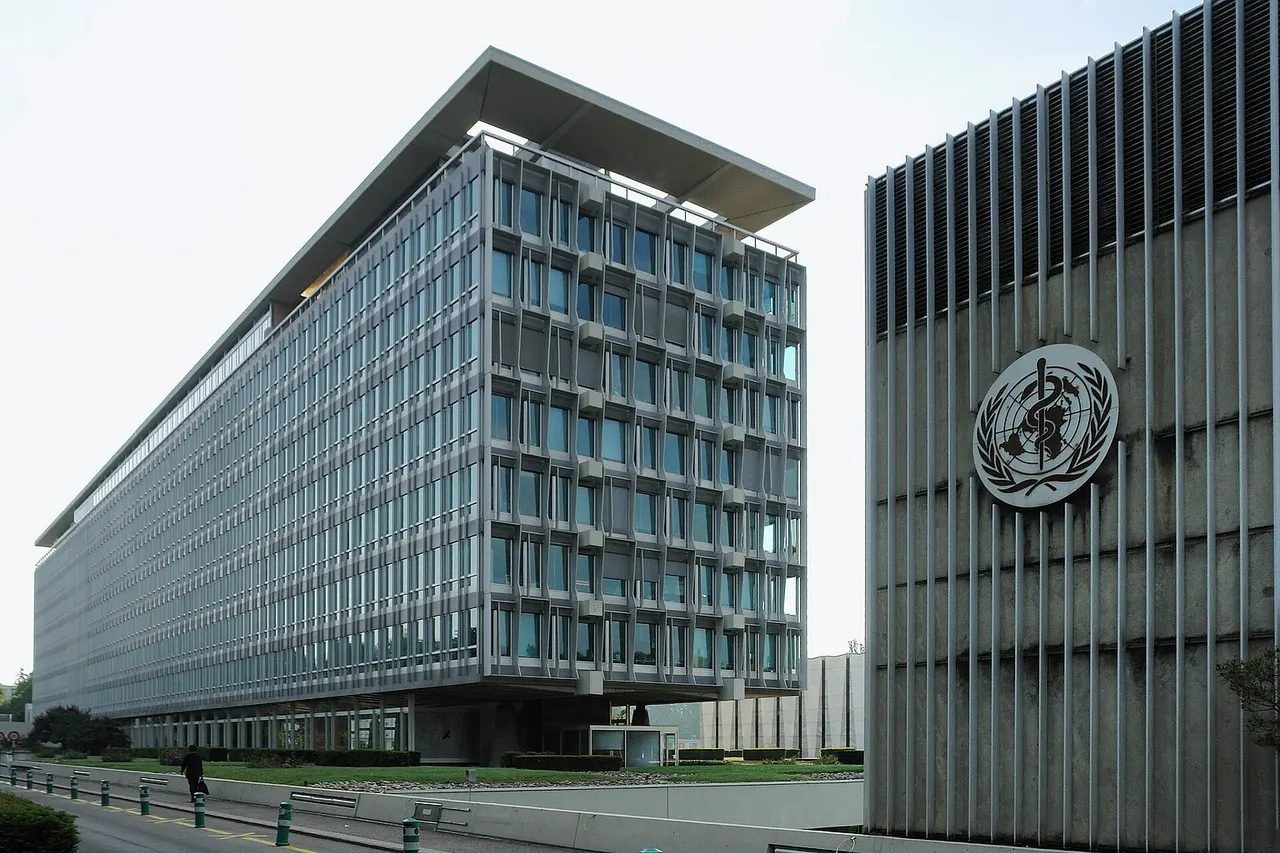

At the Asia-Pacific Parliamentarian Forum on Global Health held in Phnom Penh, World Health Organization (WHO) officials warned that major weather events are increasing disease risks and threatening healthcare infrastructure across the region. The three-day forum, concluding on Thursday, August 13, 2026, brought together lawmakers and health experts from 16 countries to discuss strategies for adapting healthcare systems to climate change and the rapid advancement of artificial intelligence (AI).
Lluis Vinyals Torres, WHO’s Western Pacific director of health systems and services, stated that about 600 million people in the Asia-Pacific face financial hardship related to accessing health services. He emphasized that adapting health systems will require significant investment, especially for lower- and middle-income nations, and noted a substantial gap between available global climate financing and countries' capacity to access these funds for health system adaptation.
Michelle Isles, CEO of the Australian Climate and Health Alliance, affirmed that “climate change is indeed a health issue.” Meanwhile, Hiromasa Okayasu, WHO’s Western Pacific director of data, strategy and innovation, highlighted that AI is already assisting doctors with medical records, diagnosis, and clinical decision-making.
The forum focused on universal health coverage, climate-resilient health systems, and the use of AI in healthcare. The government has outlined a roadmap aiming for universal health coverage by 2035, targeting 80% population coverage of essential health services and reducing out-of-pocket medical spending to 35%.
The event underscored the pressing need for coordinated efforts to strengthen health systems in the face of climate change and technological transformation.
Loading comments.