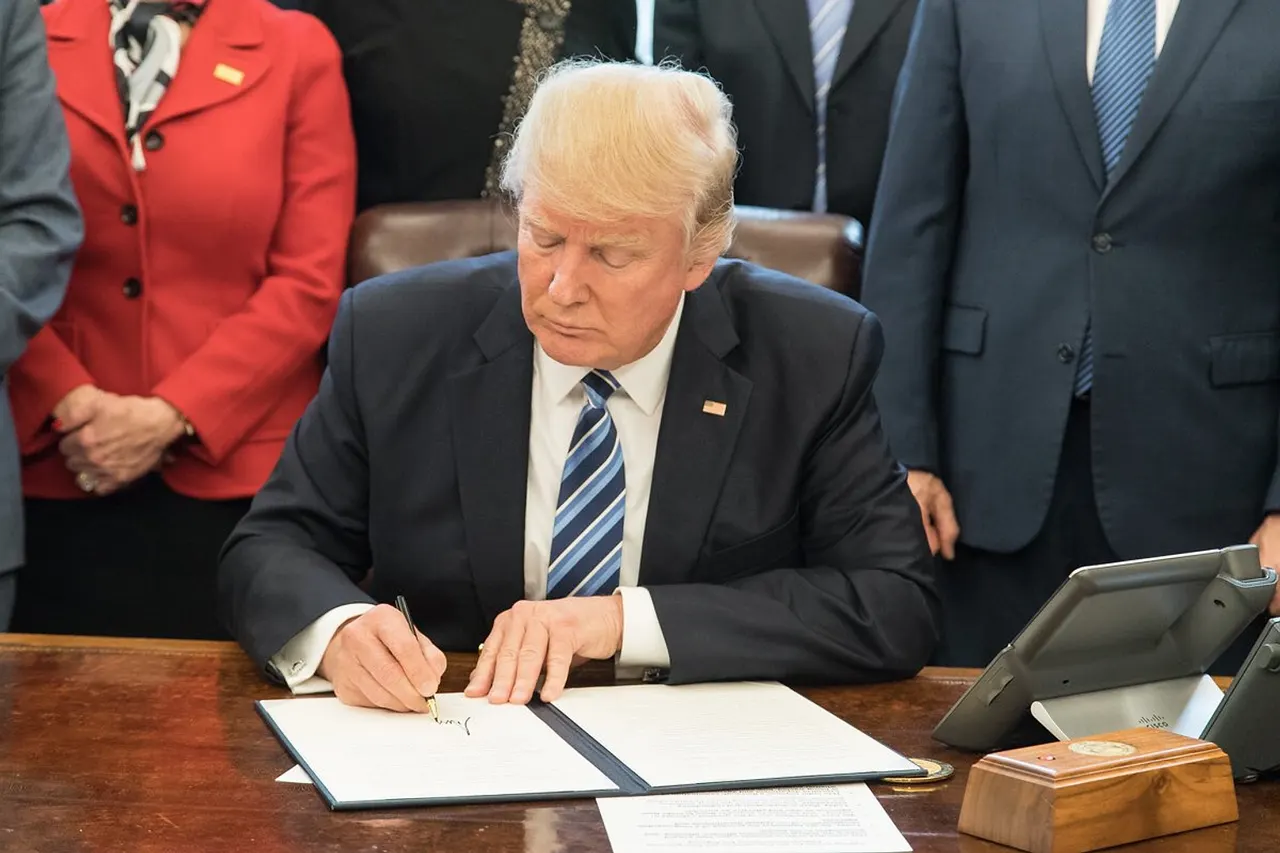

The second Trump Administration has aggressively pursued a deregulatory agenda, particularly targeting environmental regulations and the Environmental Protection Agency (EPA). From its inception, the administration has aimed to reduce regulatory burdens and limit the reach of administrative agencies primarily through presidential unilateralism—executive orders, directives, and agency actions without legislative backing.
This approach, while assertive, raises concerns about the sustainability of these policy changes. Executive orders, for example, can be easily rescinded by subsequent administrations. According to Jonathan H. Adler in his essay "Unsustainable Presidential Administration," a contribution to an upcoming Harvard Environmental Law Review symposium, the administration’s deregulatory efforts will only have lasting impact if supported by other branches of government or upheld by courts.
Adler highlights that some deregulatory moves, such as the repeal of the "harm" definition under the Endangered Species Act, depend on judicial acceptance of the administration’s statutory interpretations to endure. Despite being more prepared and aggressive, the second Trump Administration continues to prioritize executive unilateralism over legislative or judicial collaboration, which may limit the longevity of its policy achievements.
Loading comments.