
Venezuela's interim government and opposition representatives concluded their first round of talks on Wednesday, August 13, 2026, with agreements focused on judicial reform and accessing frozen international funds. These talks aim to reconcile the nation following the US ouster of longtime leader Nicolas Maduro.
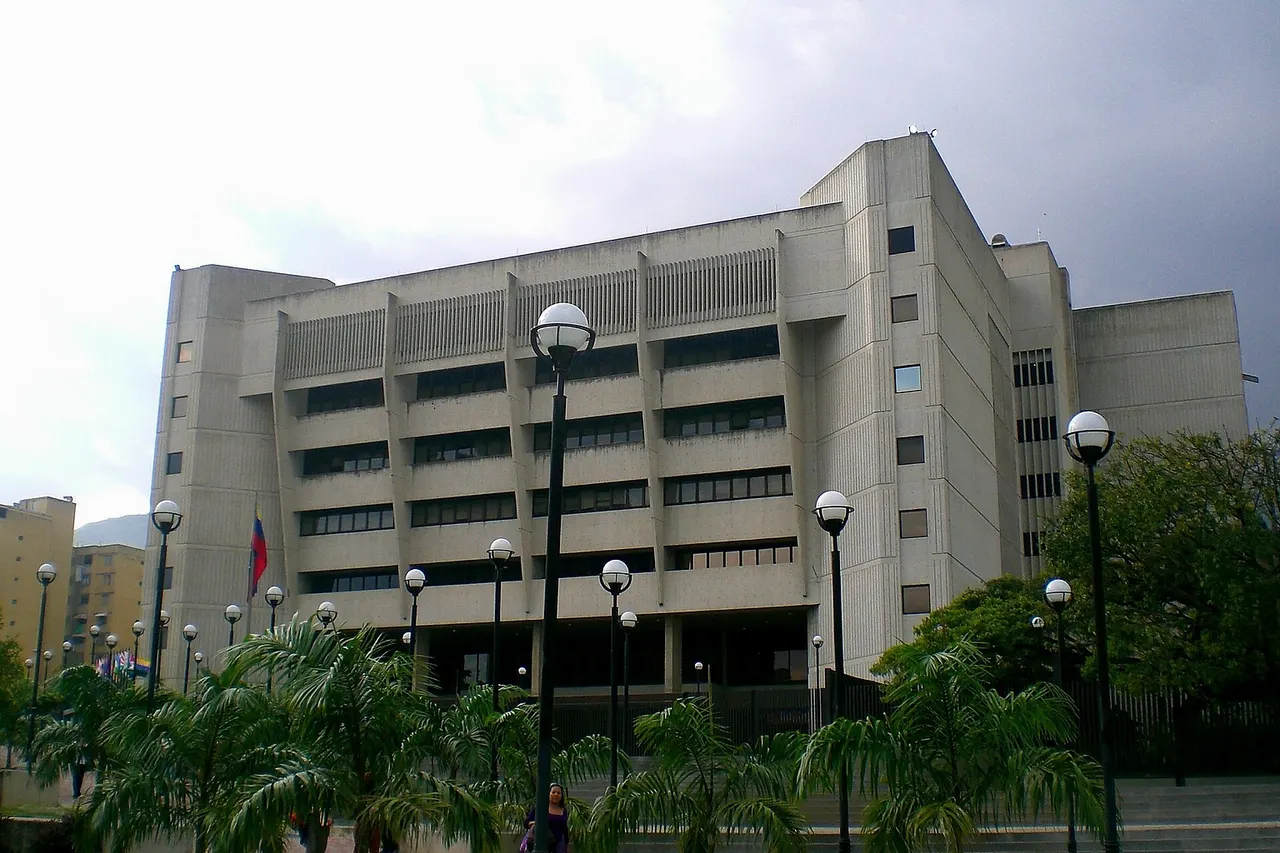
A joint statement from both sides highlighted commitments to "initiate a process that contributes to the transformation of the justice system," including reforms to the Organic Law governing the Supreme Tribunal of Justice (TSJ). The TSJ had previously validated Maduro's 2024 re-election amid serious fraud allegations and without releasing official results. However, the statement did not address reforms to the National Electoral Council, which also upheld Maduro's disputed victory.
In response to the devastating twin earthquakes on June 24, which killed over 6,300 people, both parties agreed to work toward releasing Venezuela's international reserve assets held at the Bank of England to finance recovery efforts.
The opposition delegation was led by Dinorah Figuera, head of the political bloc that won a majority in the 2015 National Assembly—the last legislature elected in a vote widely recognized internationally. Notably absent was exiled opposition leader and Nobel Peace Prize laureate Maria Corina Machado, who stated she would not obstruct the process.
According to sources, elections will only be announced after judicial and electoral reforms lead to the establishment of a new Electoral Council. Additionally, laws regulating terrorism and dissent are expected to be reformed due to their previous use in persecuting political prisoners.
Quotes from the talks include commitments to "mechanisms for transparency, traceability, and auditing," and a shared goal: "We are in this process to achieve a democratic and free Venezuela."
Loading comments.