
On Wednesday, August 26, 2026, a catastrophic flash flood swept through parts of Nepal and Tibet after an avalanche of ice and rock triggered flooding, killing at least 22 people and leaving hundreds missing. Officials reported that 384 tourists, including 291 from countries such as India, the United States, the United Kingdom, and Malaysia, were unaccounted for following the disaster.
The Bhotekoshi River flooded around 9 a.m. local time, destroying several villages, roads, and hydropower projects. Chinese state broadcaster CCTV reported that a mudslide on the Nepalese side caused major casualties and missing persons at the Gyirong Port on the Tibetan side of the border. Footage showed rushing water carrying debris and flooding roads.
Nepali government spokesperson Sasmit Pokharel stated, “We have asked both India and China to help us with the rescue efforts.” Nepal tourism officials indicated that many missing individuals were likely pilgrims from India and the Indian diaspora traveling to Mount Kailash in Tibet, a sacred Hindu site. Additionally, South Korean officials confirmed their citizens working on a hydropower plant in Nepal were among those missing. Malaysia’s Foreign Ministry reported losing contact with 11 Malaysians believed to be in the heavily affected Rasuwa district.
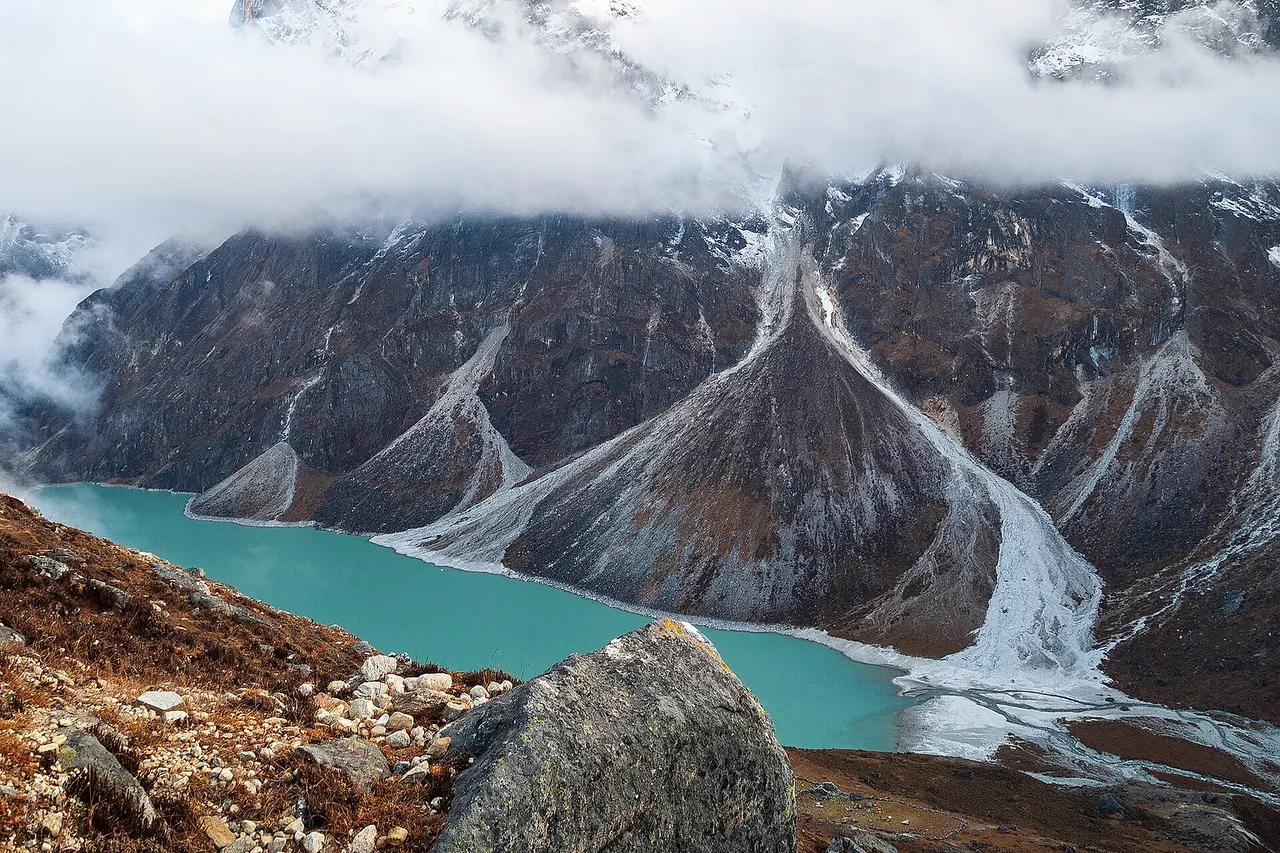
Disaster risk reduction specialist Saswata Sanyal explained that the Lhende Khola river has flooded twice in fourteen months, with the latest flood triggered by an ice rock avalanche from a glacier on the Nepal side that blocked the river and caused a sudden surge downstream.
The Himalayan region, including Nepal and neighboring countries, is particularly vulnerable to such events due to accelerated warming caused by human-induced climate change. Researchers in Kathmandu found that glaciers across the Hindu Kush Himalaya region are melting at an accelerating rate, with ice loss rates doubling since 2000 primarily due to rising global temperatures.
Rescue operations continue amid concerns over the large number of missing persons and the extensive damage to infrastructure.
Loading comments.