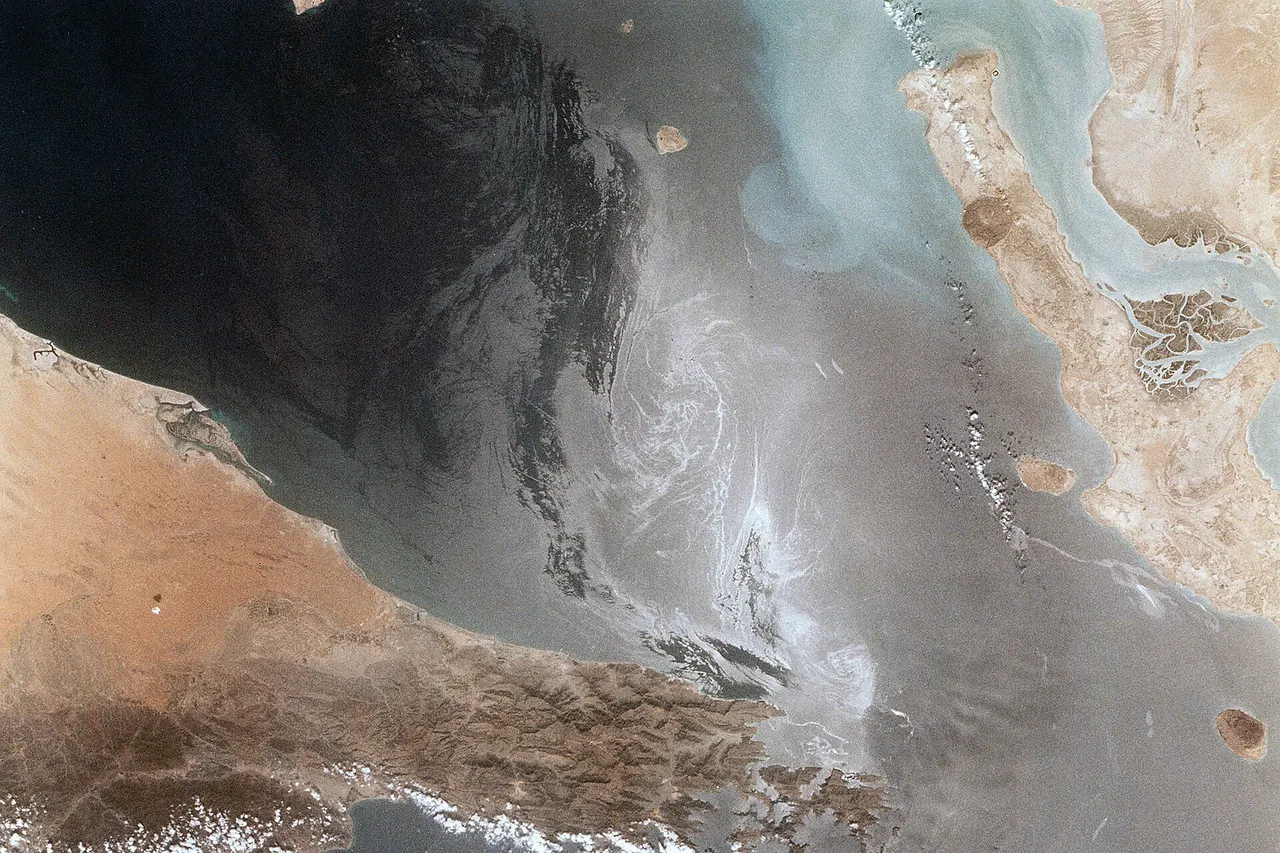

Iran and Oman have finalized an agreement regarding their respective shares of control and revenues from the Strait of Hormuz, a critical maritime passage that previously handled one-fifth of global oil and liquefied natural gas shipments. However, the vital waterway will remain closed unless the United States complies with the conditions set by Iran and Oman.
The two countries have engaged in intermittent talks over several weeks to manage traffic through the strait, which has been largely shut down since the outbreak of war in February. This closure has contributed to rising global energy prices as both Tehran and Washington have imposed separate blockades in an effort to assert control.
Islamic Revolutionary Guard Corps (IRGC) spokesman Hossein Mohebbi stated, “The Strait of Hormuz belongs to Iran and the country of Oman … We have been in negotiations with Oman for about a month, and we have reached results that are acceptable to both sides.” He added that agreements were reached on the share of each country in the waters and revenues of the strait.
The IRGC accused the US of obstructing the negotiations between Iran and Oman, which has delayed the agreement. Mohebbi emphasized, “If the United States stops obstructing and returns to the agreement, we can open the Strait of Hormuz within the framework of the agreement reached … If the United States does not accept our conditions, the Strait of Hormuz will not be opened under any circumstances.”
This development highlights the ongoing geopolitical tensions surrounding one of the world's most strategically important maritime chokepoints.
Loading comments.