_Disguised_as_Impact_Attenuator_Sand_Barrel_on_Arizona_State_Route_92_in_Hereford_AZ.png)
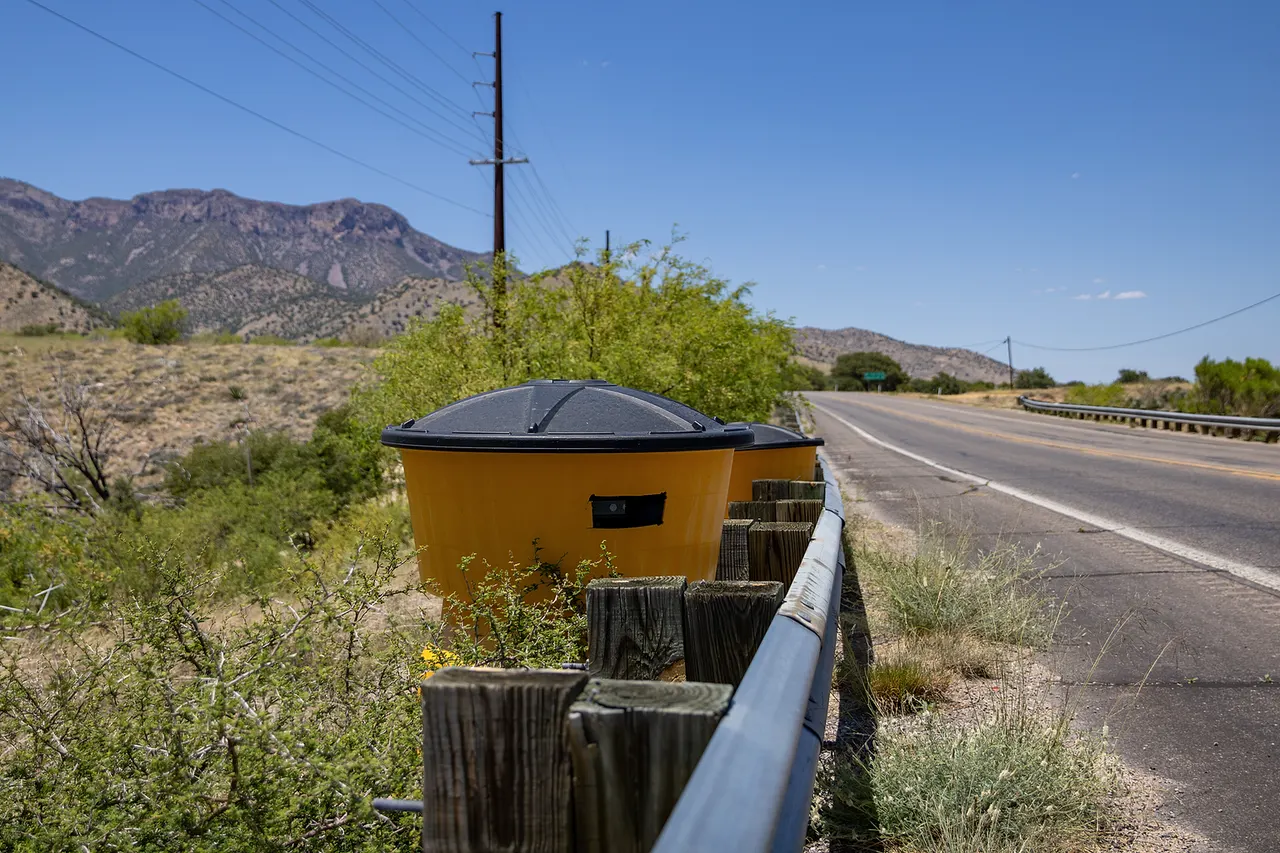
Government officials across the United States are increasingly taking notice of sabotage targeting automated license plate readers (ALPRs), commonly known as "Flock cameras" after a leading provider. These surveillance devices have been vandalized in at least 36 states, with tactics including spray-painting lenses, foam sealant coating, and physical destruction such as tearing down camera poles and damaging solar panels.
The Institute for Justice has documented over 100 incidents of ALPR abuse, including wrongful stops, romantic stalking, and non-law enforcement misuse. ALPRs also suffer from significant error rates; a Vallejo, California Police Department trial found that 35% of mobile reader hits and 37% of fixed reader hits were misreads, potentially implicating innocent individuals in crimes.
In one notable case reported by CBS News last year, a 12-year-old in Española, New Mexico, was handcuffed after an ALPR camera misread a license plate number. Such incidents contribute to public distrust and have prompted direct action by some citizens who sabotage the cameras to protest surveillance.
Spray-painting and foam sealant have been reported as common methods of disabling cameras in locations such as Irmo, South Carolina, and Florida's Atlantic Beach, Neptune Beach, and Jacksonville Beach. In Arizona, Pinal County Sheriff Ross Teeple announced the cancellation of the Sheriff's Office contract with Flock Safety, citing Fourth Amendment concerns related to the company's ALPR cameras.
These developments highlight ongoing tensions between public safety surveillance efforts and civil liberties, with some activists arguing that tracking individuals' movements without warrants infringes on privacy rights.
Sources
- Reason, "Surveillance Camera Saboteurs Are Getting Government Officials' Attention," August 26, 2026
- NPR, report by Meg Anderson
- CBS News
- Vallejo Police Department trial findings
- South Carolina's WIS
- Pinal County Sheriff's Office announcement
Loading comments.