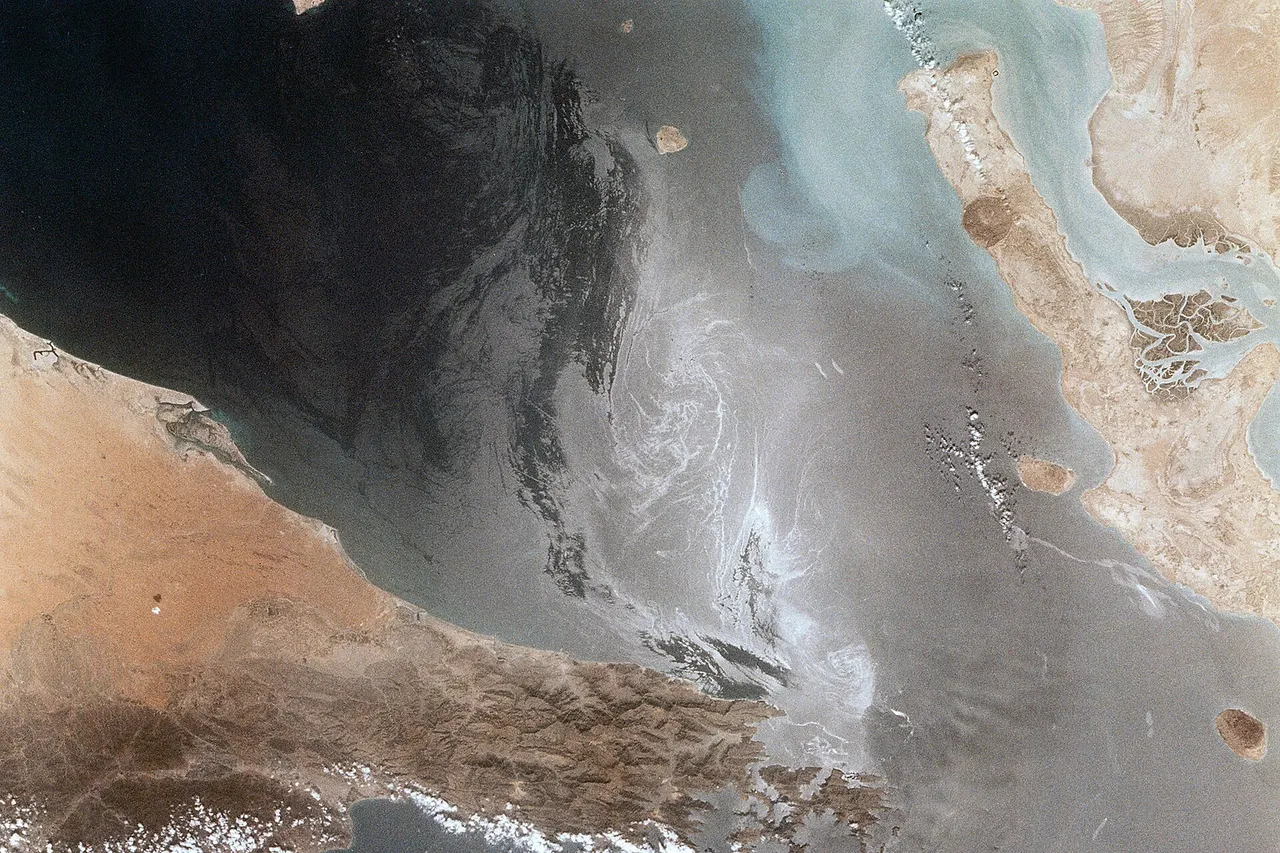

Six months into the United States-Israel war on Iran, the Strait of Hormuz has seen a dramatic decline in maritime traffic, causing one of the most severe shipping disruptions in decades. Traffic through the 33km (21-mile) chokepoint has plummeted from over 100 vessels daily to just five, severely affecting the flow of oil, gas, and goods worldwide.
Maritime shipping is vital to the global economy, with about 80 percent of world trade by volume moving by sea at some point, according to UNCTAD, the United Nations trade and development body. Before the war, Lloyd’s List estimated approximately 7,000 transits through the Strait annually, or about 20 per day.
UNCTAD data from the week before the conflict shows that crude oil flows through the Strait accounted for roughly 38 percent of the global total, liquefied petroleum gas (LPG) 29 percent, and liquefied natural gas (LNG) 19 percent. Since the war began, crude exports from the Gulf region have dropped nearly 47 percent, from about 17 million barrels per day in 2025 to roughly nine million barrels per day as of August 2026.
Direct crude oil exports via the Strait have fallen sharply to an average of just 2.2 million barrels per day, according to Kpler, a data and analytics company tracking global commodity markets. Saudi Arabia has experienced a smaller decline in port calls—down 15 percent compared to its neighbors—due to its extensive pipeline network and access to Red Sea ports, which have managed higher oil shipment volumes despite a naval blockade declared by Houthi forces on July 20.
This significant reduction in Strait of Hormuz traffic has reshaped global shipping routes and disrupted an industry that carries about 80 percent of the world’s trade.
Loading comments.