
Twenty years after Australia introduced the world’s first vaccine against cervical cancer, more than 800 million doses of Gardasil have been administered globally, a breakthrough expected to save tens of millions of lives by the early 22nd century.
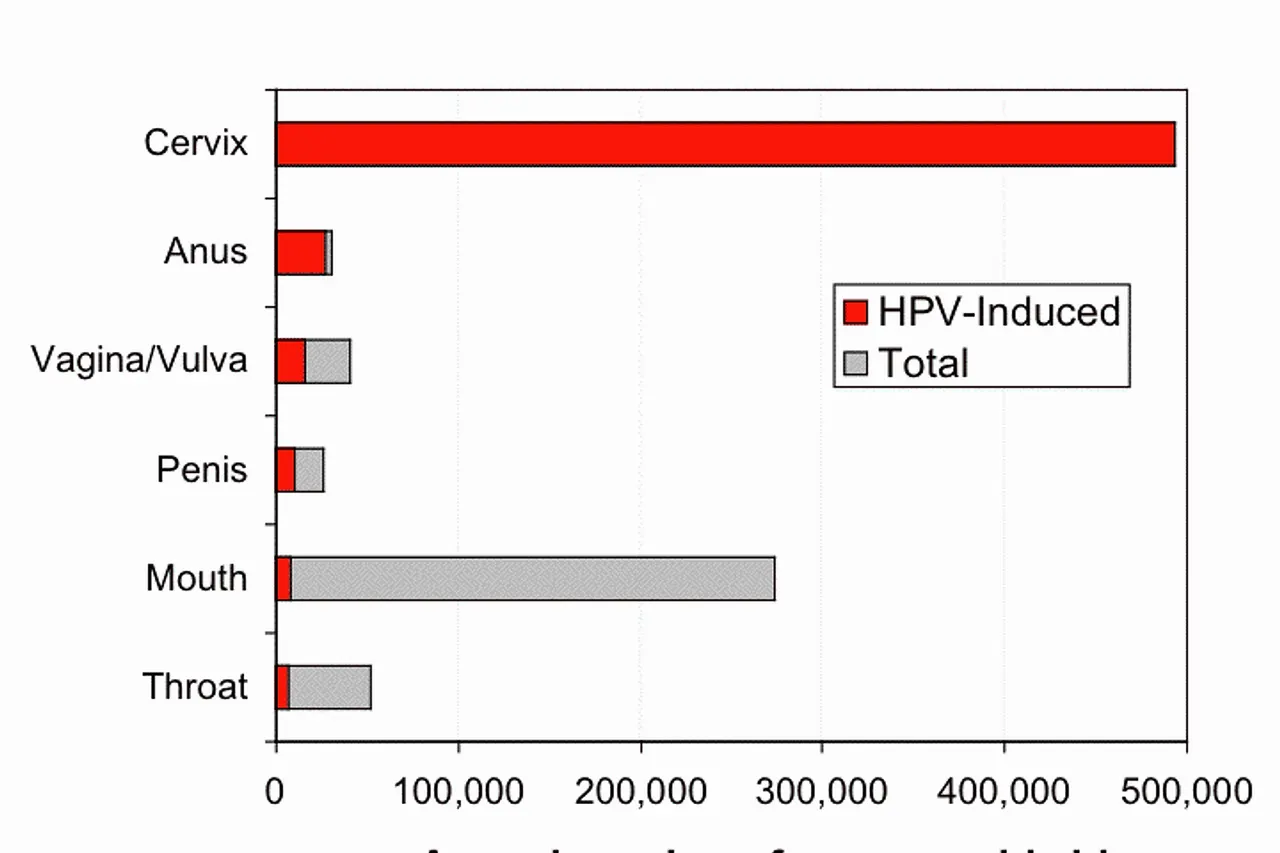
The vaccine, co-developed at the University of Queensland by Professor Ian Frazer and his late colleague Jian Zhou, protects against strains of the human papilloma virus (HPV) responsible for most cervical cancer cases, genital warts, and many throat, genital, and anal cancers. Dr Zhou passed away in 1999, seven years before the vaccine's approval.
Griffith University professor of infectious diseases Nigel McMillan, whose daughters were among the first Australian teenagers vaccinated on August 28, 2006, said Australia is on track to eliminate cervical cancer within the next 10 years. He stated, "We'll have a few sporadic cases, but generally, it will be a disease of the past."
The World Health Organization (WHO) released a global strategy in 2020 aiming to accelerate cervical cancer elimination as a public health problem, targeting the prevention of 62 million deaths by 2120, with HPV vaccination as a cornerstone.
The Gavi Vaccine Alliance estimates that a three-year immunisation program starting in 2023 could prevent 1.4 million future deaths in low and middle-income countries.
While the hepatitis B vaccine, approved in the 1980s, was the first anti-cancer vaccine due to its role in preventing liver cancer, Australia still records about 3,000 new liver cancer diagnoses annually, with causes beyond hepatitis B.
Australia was the first country to fully fund an HPV immunisation program, although the Pharmaceutical Benefits Advisory Committee (PBAC) initially rejected funding for Gardasil in early November 2006, a decision that sparked controversy.
Professor Frazer, named Australian of the Year in 2006 and dubbed "God's Gift to Women" by a magazine, highlighted the vaccine's revolutionary impact on cervical cancer, noting HPV also causes cancers affecting men.
Cervical cancer remains a devastating disease if not detected early, striking women in their prime years for childbearing and careers, making prevention through vaccination an "absolutely avoidable tragedy," according to experts.
Loading comments.