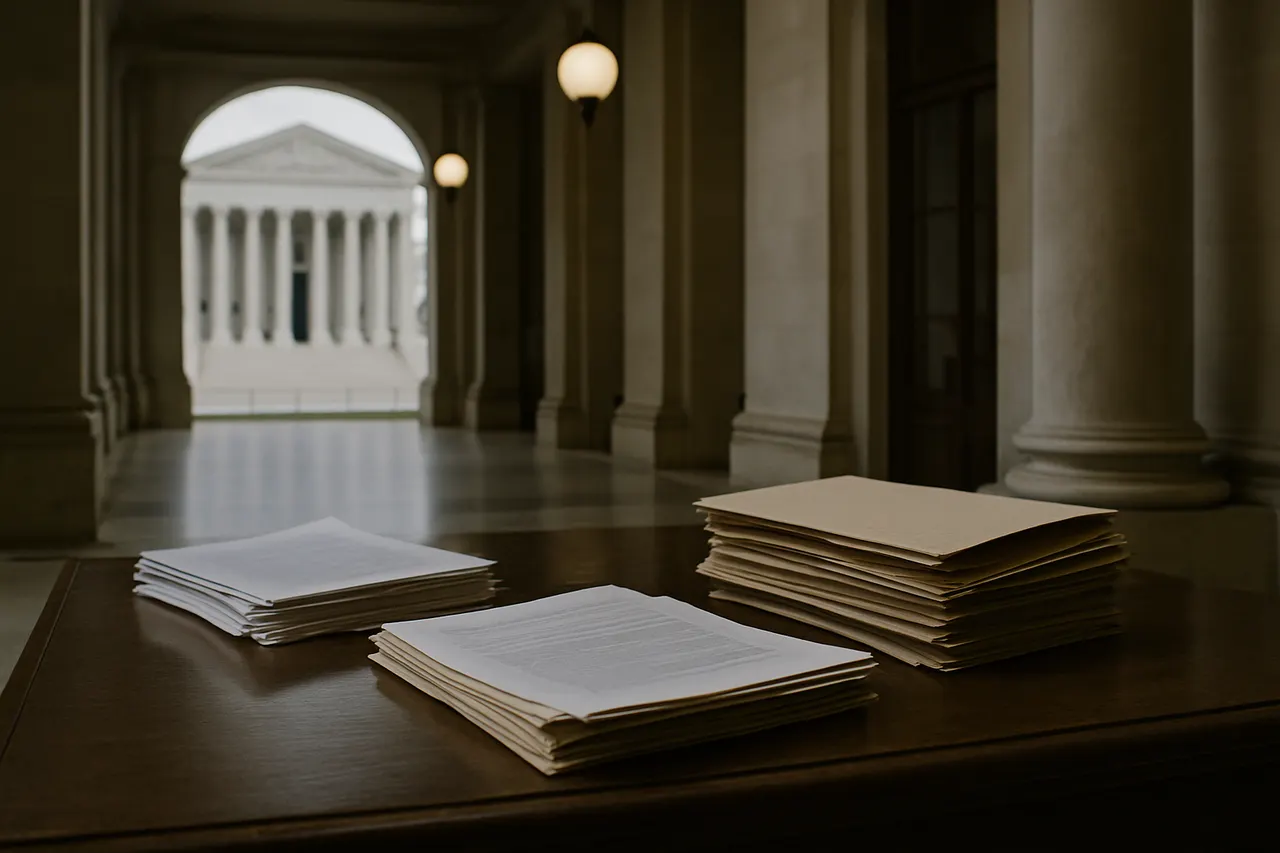
In its term ending October 2025, the U.S. Supreme Court reached a significant milestone by deciding more cases through its "shadow docket"—a process involving secret ballots and few signed opinions—than through traditional open court hearings. These shadow docket decisions are expedited, often lack detailed legal reasoning, and rarely include full briefing or oral arguments.
This shift has coincided with increased executive authority under President Donald Trump, with the Roberts Court frequently intervening in ways that favor conservatives and Trump allies. Donald Ayer, a former deputy solicitor general and deputy attorney general, noted that this trend has "upended American life."
Public scrutiny intensified after the Court's September 2021 shadow docket ruling declined to block Texas’ Senate Bill 8, known as the "Heartbeat Act," which bans abortion after detectable embryonic cardiac activity, typically around six weeks of pregnancy.
Justice Ketanji Brown Jackson criticized the lack of transparency, stating during an April speech at Yale Law School that the public cannot maintain faith in the judicial system if harmful acts are green-lighted without clear explanation.
Justice Brett Kavanaugh authored a rare shadow docket opinion justifying decisions that allowed immigration enforcement practices, dubbed "Kavanaugh stops," where over 170 citizens were reportedly detained following brief encounters with ICE agents.
Critics argue that while lower federal courts issue detailed rulings against the Trump administration, the Supreme Court overturns these with minimal explanation. One statement described the Court as resembling "a Royal Court rubber stamping the madness and folly of the Trump Administration."
Sources
- ProPublica, "A Troubling Milestone: Most Supreme Court Rulings Are Secretive Votes With Little Justification," July 1, 2026, by Ken B. Morales
Loading comments.