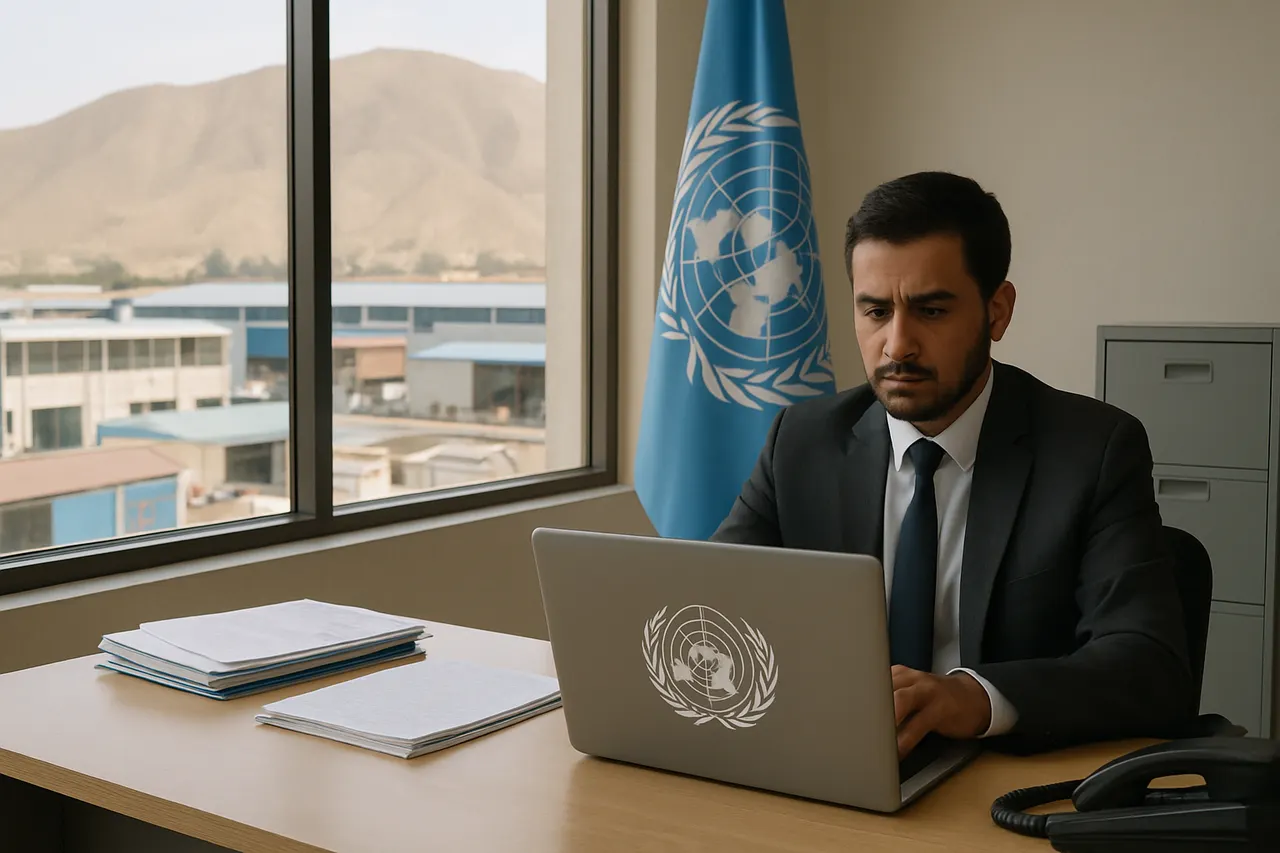
Afghanistan is confronting one of the world’s most severe displacement crises, driven by poverty, drought, earthquakes, and a fragile economy, according to UN agencies.
The UN Development Programme (UNDP) office in Afghanistan reported that four decades of war, 2.7 million returnees, worsening climate shocks, and declining women’s participation are intensifying pressure on livelihoods and services. UNDP chief Alexander De Croo, currently visiting Afghanistan alongside the High Commissioner for Refugees Barham Salih, stated, “In Afghanistan, crises rarely happen one at a time,” emphasizing the complex challenges faced by returnee communities.
In the past year, an earthquake destroyed many homes and livelihoods, exacerbating poverty that affects 74 percent of the population—approximately 29 million people—who cannot meet basic needs. UNDP is actively supporting displaced and host communities to rebuild and transition from return to sustainable recovery.
The joint visit included meetings with earthquake-affected communities in Jalalabad and a trip to the Sutan Valley, described by De Croo as an area that “tells a story of recovery.”
A UN Special Trust Fund for Afghanistan-backed initiative launched last year aims to establish durable solutions in north-eastern Afghanistan by preparing communities, supporting returnees, and fostering long-term recovery. The Participatory Action for Integrated Developmental Assistance to Areas of Return project focuses on improving access to housing, essential services, economic opportunities, and living conditions for hosts, returnees, and internally displaced people across 69 displacement-affected communities in Kunduz and Baghlan provinces. Efforts have also cleared 6,478 square meters of mine-contaminated land in 11 communities.
These coordinated efforts underscore a shared commitment to resilience and solutions amid Afghanistan’s ongoing humanitarian challenges.
Loading comments.