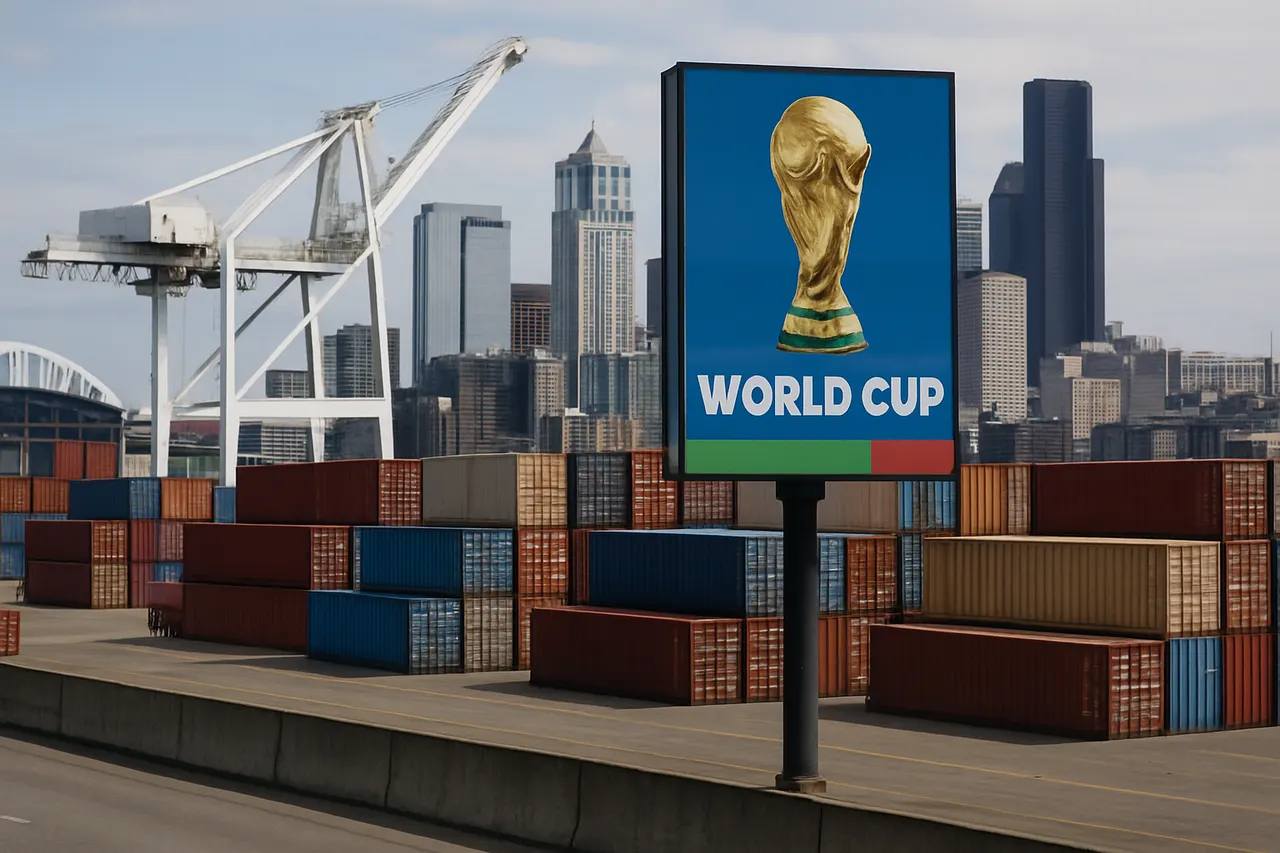
As Seattle concludes its month-long role as a host city for the 2026 FIFA Men’s World Cup with a knockout match between the United States and Belgium, local businesses report a mixed economic impact.
On match days, the city’s waterfront and official watch parties have been packed with locals and visitors, breaking public transit records and increasing sales at venues like the George & Dragon Pub, which reported “incredible” business growth. The city’s tourism board had estimated 750,000 visitors over the course of the tournament, projecting a sports-driven economic boost.
However, some business owners have experienced declining sales, citing ongoing tech layoffs and a drop in international visitors, particularly Canadian tourists who have avoided Seattle since early 2025 due to strict immigration enforcement and political tensions. Short-term rental owner Marlow Harris noted a 30% decline in business, attributing it to lost Canadian visitors and broader economic concerns.
Contradicting some preliminary reports, Perry Cooper, spokesperson for Seattle’s primary airport, stated that traveler numbers have increased by at least 3% since the World Cup began, including a 4% year-over-year rise in international visitors. Kelly Saling, chief business officer of Visit Seattle, explained that declines in international tourism since 2024 have been partially offset by increased domestic tourism, resulting in no overall drop in forecasted visitors but a change in visitor composition.
Additionally, Joe Nguyễn, head of the Seattle Metropolitan Chamber of Commerce, highlighted efforts to attract foreign investment, noting the hosting of an Australian trade delegation during the June 19 match with expectations of future economic benefits.
The economic effects of Seattle’s World Cup hosting thus present a complex picture, with some sectors thriving while others face challenges amid shifting tourism dynamics and local economic conditions.
Sources
- Guardian US by Adam Willems
Loading comments.