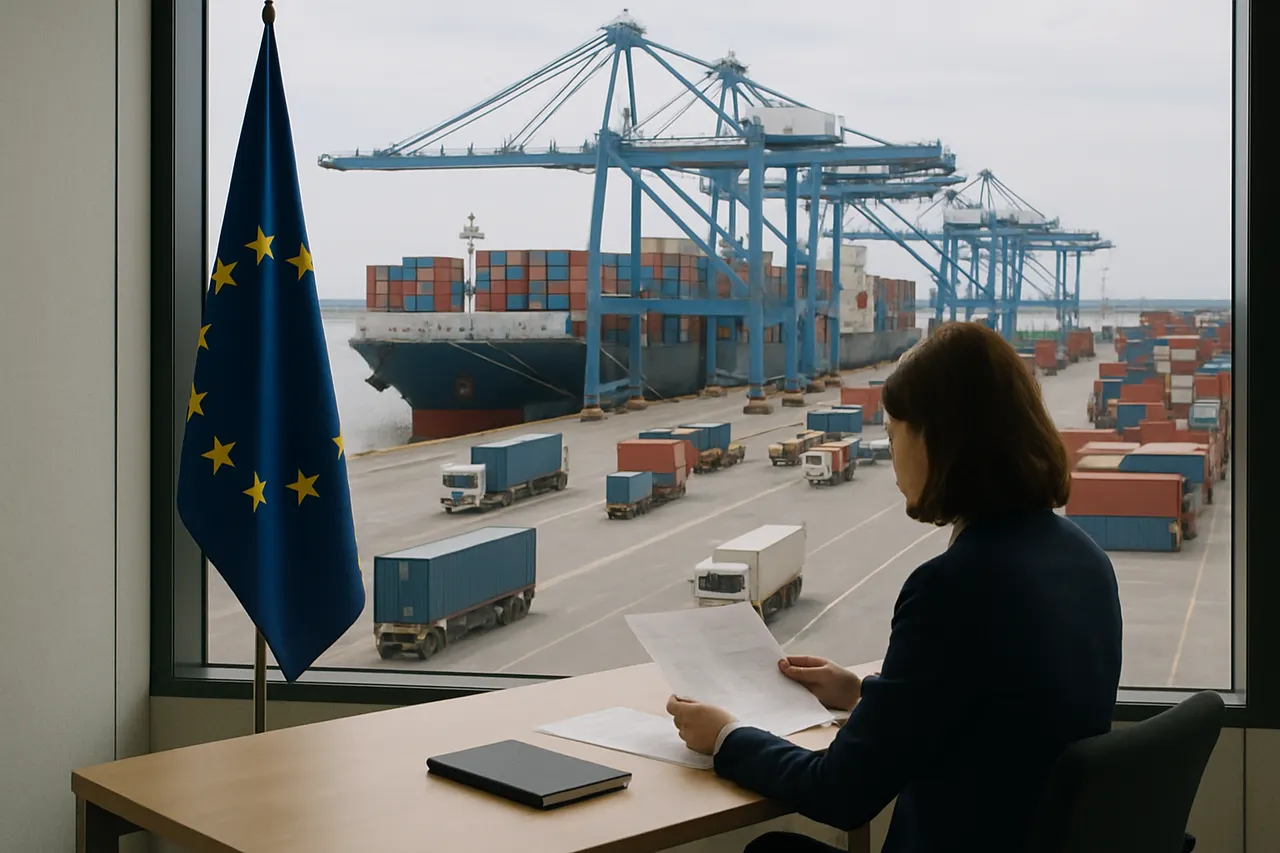
The European Commission has clearly signaled its intention to wage a trade war against China, moving beyond verbal threats to imminent decisions aimed at countering the so-called China shock 2.0. This wave of subsidised Chinese exports includes electric vehicles (EVs), solar panels, and batteries, sectors where Chinese companies have become global leaders.
European manufacturers of EVs, batteries, solar panels, steel, and other industrial products now face intense competition from Chinese firms. In response, Europe has implemented measures such as anti-dumping duties, anti-subsidy investigations, tariffs on electric vehicles and other products, and increased scrutiny of Chinese investments.
This situation draws parallels to the trade conflicts between Europe and Japan in the 1970s and 1980s, when Japanese companies captured market share through high-quality, efficient production and competitive pricing. European policymakers then feared deindustrialisation in key sectors like automobiles, consumer electronics, and machine tools. Measures against Japan included import quotas, voluntary export restraints, and anti-dumping investigations.
While the current trade tensions share similarities with the past, significant differences exist in geopolitics, technology, and state intervention.
Sources:
- South China Morning Post World, "Europe could prosper as China’s trade ally rather than adversary," July 7, 2026, by Lanxin Xiang
Loading comments.