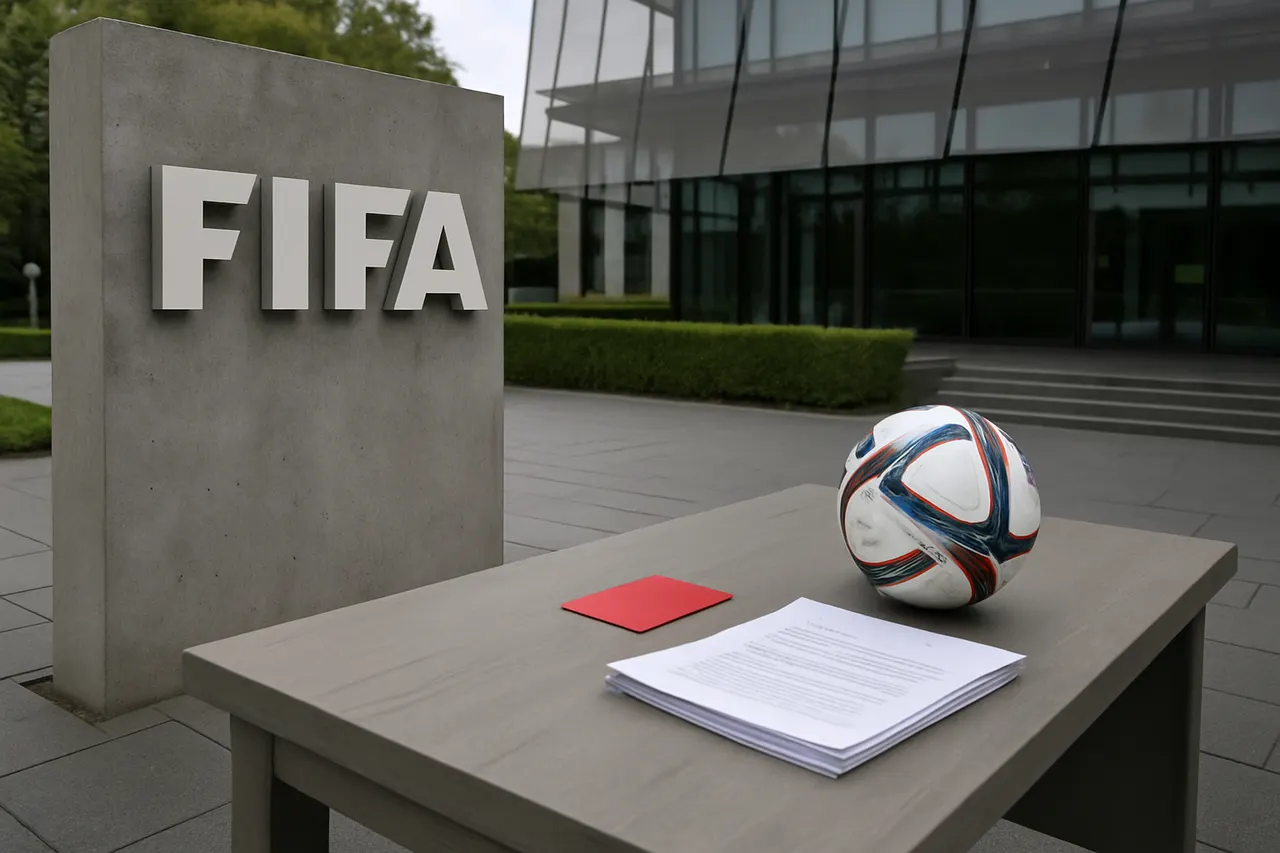
FIFA has defended its controversial decision to lift the red-card ban on United States striker Folarin Balogun after an intervention from US President Donald Trump. The move reignited global debate about political influence in sport and the independence of football's governing bodies.
The controversy centered on a phone call from Donald Trump to FIFA President Gianni Infantino, urging that Balogun should not be suspended for the US team's World Cup match against Belgium. Balogun had received a red card from Brazilian referee Raphael Claus for stepping on an opponent's ankle during the Americans' 2-0 win over Bosnia-Herzegovina, which automatically triggered a one-game suspension.
Despite the decision to lift the ban, the US team was eliminated from the World Cup after a 4-1 loss to Belgium with Balogun playing.
This marked the first time since 1962 that a punishment for a World Cup offense was suspended during the tournament, raising scrutiny over Infantino's leadership of FIFA and his close ties to Trump. European football body UEFA condemned FIFA's disciplinary committee's decision as "unprecedented, incomprehensible and unjustifiable," stating FIFA had "crossed a red line."
Trump described the original red card as a "horrible" call and took credit for prompting FIFA to review the foul, though he denied demanding a specific outcome.
Norway's coach Ståle Solbakken criticized the ruling, questioning if future red cards might also be overturned by committees, calling it a "bad decision that will hurt the World Cup."
Furthermore, after Infantino awarded Trump the first FIFA Peace Prize in December, Norway's governing body supported an ethics complaint against Infantino, accusing him of violating FIFA's code of ethics on political neutrality.
Loading comments.