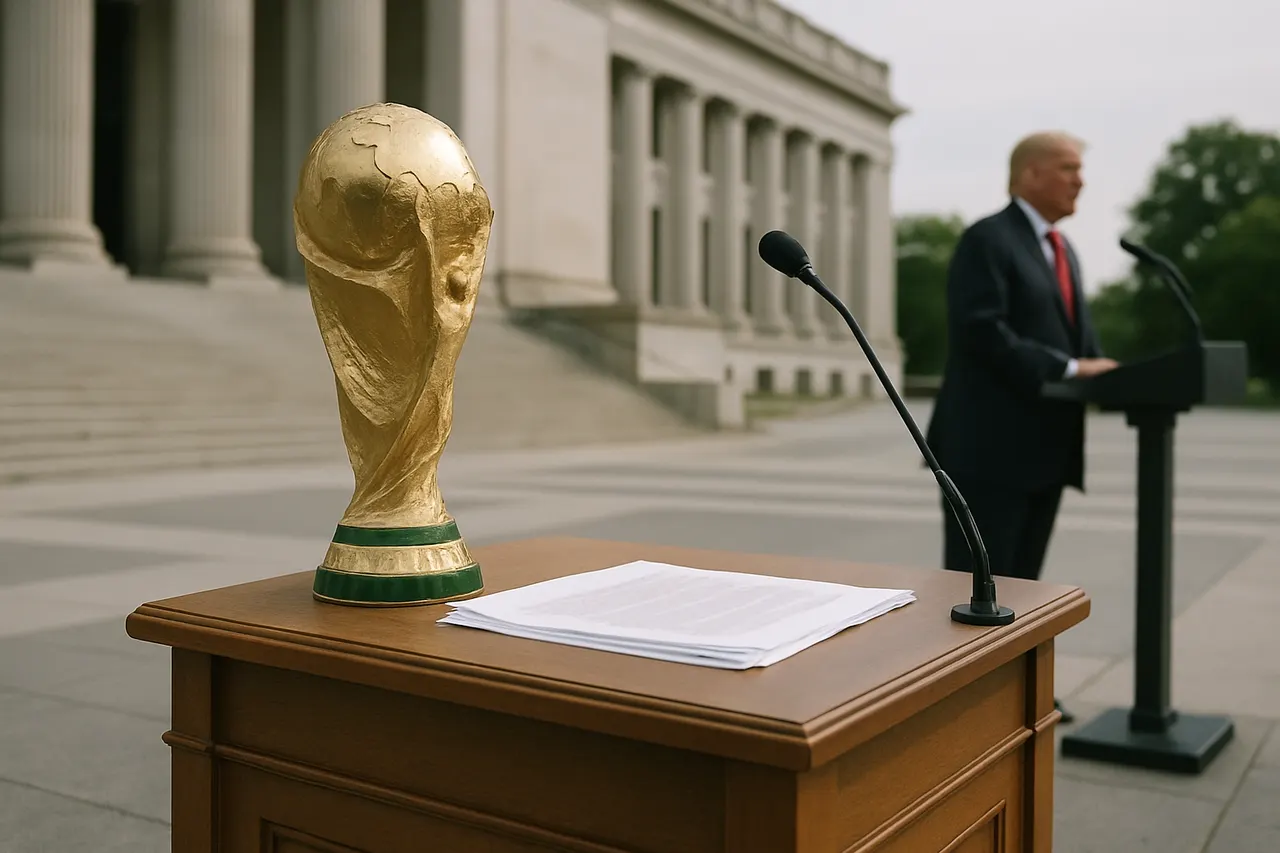
FIFA has come under intense scrutiny following a series of controversial actions at the World Cup and its close relationship with former US President Donald Trump. Trump claimed credit for FIFA’s decision to suspend the red card ban of USA striker Folarin Balogun ahead of their last-16 loss to Belgium, a move that FIFA and President Gianni Infantino said was ruled on by their disciplinary committee — despite FIFA statutes banning political interference and the reviewing of red cards during the tournament.
The awarding of FIFA's inaugural Peace Prize to Trump last December, shortly before he initiated a conflict with Iran, a World Cup participant, was reportedly a unilateral decision by Infantino. This has further eroded trust within and outside FIFA.
Looking ahead, the 2030 World Cup will be hosted across Europe, Africa, and South America, clearing the path for Saudi Arabia to host the 2034 tournament unchallenged and earlier than Asia’s expected turn in 2042. Infantino is poised to exceed the usual 12-year presidential term limit, likely unopposed, amid rising frustration with FIFA’s governance.
Complaints have been filed by FairSquare with the FIFA Ethics Committee's Investigatory Chamber over Infantino’s dealings with Trump. Separately, fan group Football Supporters Europe and advocacy group Euroconsumers lodged a complaint with the European Commission regarding ticket prices ahead of the World Cup.
Political gestures by players at the 2022 Qatar World Cup have since been retracted by teams and federations, possibly influenced by future hosting ambitions for 2034 or 2038.
UEFA’s reputation among global federations may have suffered after UEFA President Aleksander Ceferin reportedly described the expanded World Cup as making many matches "completely uninteresting." A coalition of 13 football associations from Africa and Asia firmly rejected these comments.
Critics argue that FIFA’s commercial power underpins a system of patronage, allowing presidents to reward loyalists and suppress dissent, contributing to indefinite leadership tenures. There is a consensus that political intervention is necessary to reform FIFA, with some suggesting the European Union could regulate football similarly to its oversight of Big Tech.
"I don't think the players are listened to that much, if I'm totally honest," one observer noted, highlighting the disconnect between FIFA leadership and stakeholders.
Loading comments.