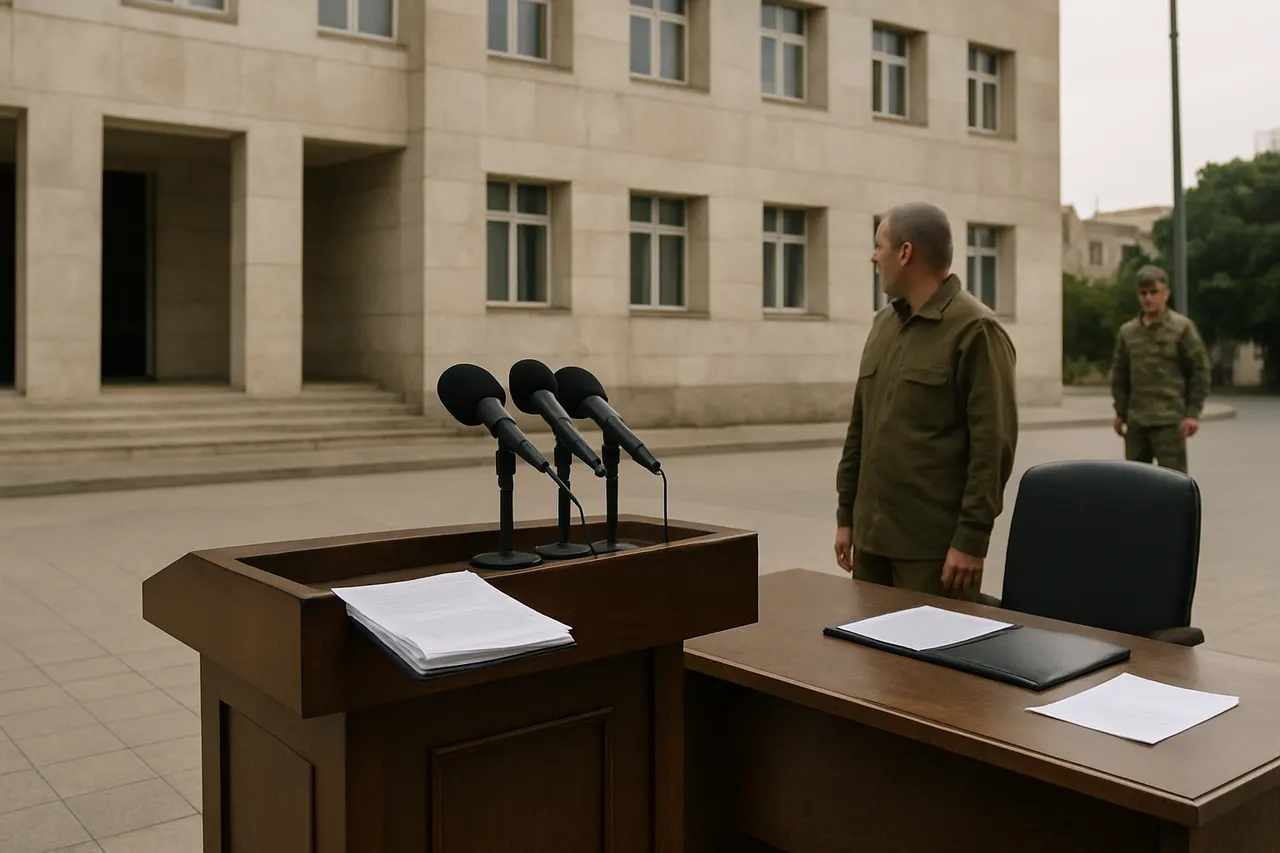
On July 7, 2026, Hamas announced it was dissolving the emergency committee overseeing Gaza's civilian government. This move could allow a new U.S.-backed body, the National Committee for the Administration of Gaza (NCAG), to assume control of civilian affairs after the ongoing conflict.
Hamas, designated by the U.S. as a foreign terrorist organization, has governed Gaza since 2007. The announcement comes amid Israeli insistence that Hamas must have no governing or military role in post-war Gaza following the October 7, 2023, attack that triggered the war.
The Trump-led Board of Peace, which supports the NCAG, responded cautiously, emphasizing that its judgment would be "guided by actions, not promises." The technocratic committee is prepared to begin operations once conditions permit.
Israeli officials remain skeptical. Sa’ar, speaking during a meeting with German Foreign Minister Johann Wadephul, stated, "They don’t care if others collect the garbage, provide municipal services and administer civilian affairs, if Hamas will remain the dominant military force." Analysts like Milshtein highlight that the true test will be whether the NCAG can operate independently in Gaza while Hamas relinquishes both civilian and military control.
U.N. spokesperson Stéphane Dujarric acknowledged Hamas’ announcement and welcomed any step advancing the ceasefire agreement and Security Council objectives, including civilian protection and humanitarian aid.
Critics view Hamas’ dissolution of its governing body as a performative act aimed at preserving armed control while surrendering only civilian responsibilities. Observers note that as long as Hamas retains its weapons, the move appears to be an attempt to maintain influence and buy time. In reality, even low-ranking Hamas security officers can override or detain members of the proposed civilian administration.
The development poses a critical test for President Donald Trump’s Gaza framework and broader regional diplomacy, with some suggesting Hamas’ action was encouraged by regional backers to signal compliance while placing responsibility on Israel to advance the peace plan.
Loading comments.