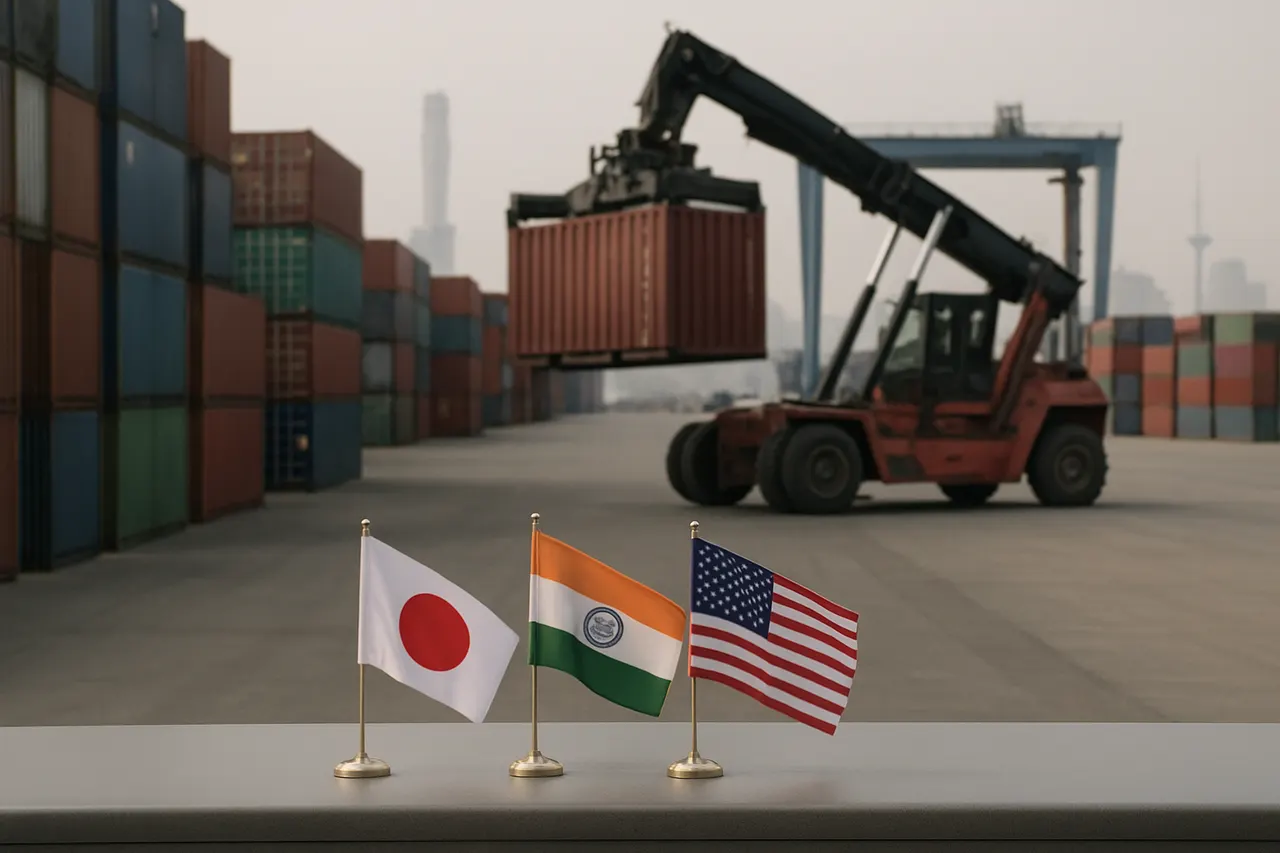
Last week, Japanese Prime Minister Sanae Takaichi led a business delegation to New Delhi for the 16th India-Japan annual summit. The meeting follows last year’s summit in Tokyo where Takaichi’s predecessor, Shigeru Ishiba, and Indian Prime Minister Narendra Modi outlined the Japan-India Joint Vision for the next decade. This vision anticipates up to 10 trillion yen (US$62 billion) in Japanese investment in India during this period.
Japan has been a major investor in India, with cumulative foreign direct investment (FDI) exceeding US$48 billion this century. Notably, Japanese financial group MUFG announced a US$4.4 billion stake in Shriram Finance last December. In the 2025-26 financial year, Japan was the second-largest source of FDI in India after the US, contributing US$3.2 billion.
Despite strong investment ties, India’s trade with Japan was modest at US$27.5 billion in 2025-26, compared with US$151 billion in trade with China during the same period. Since joining the World Trade Organization in 2001, China experienced rapid growth in FDI inflows, rising from US$42 billion in 2000 to nearly US$244 billion in 2010. China’s FDI peaked at US$344 billion in 2021 before dropping to US$43 billion in 2024.
India’s engagement with both Japan and China reflects a strategic approach to boosting its manufacturing sector without having to choose exclusively between the two economic powers.
Loading comments.