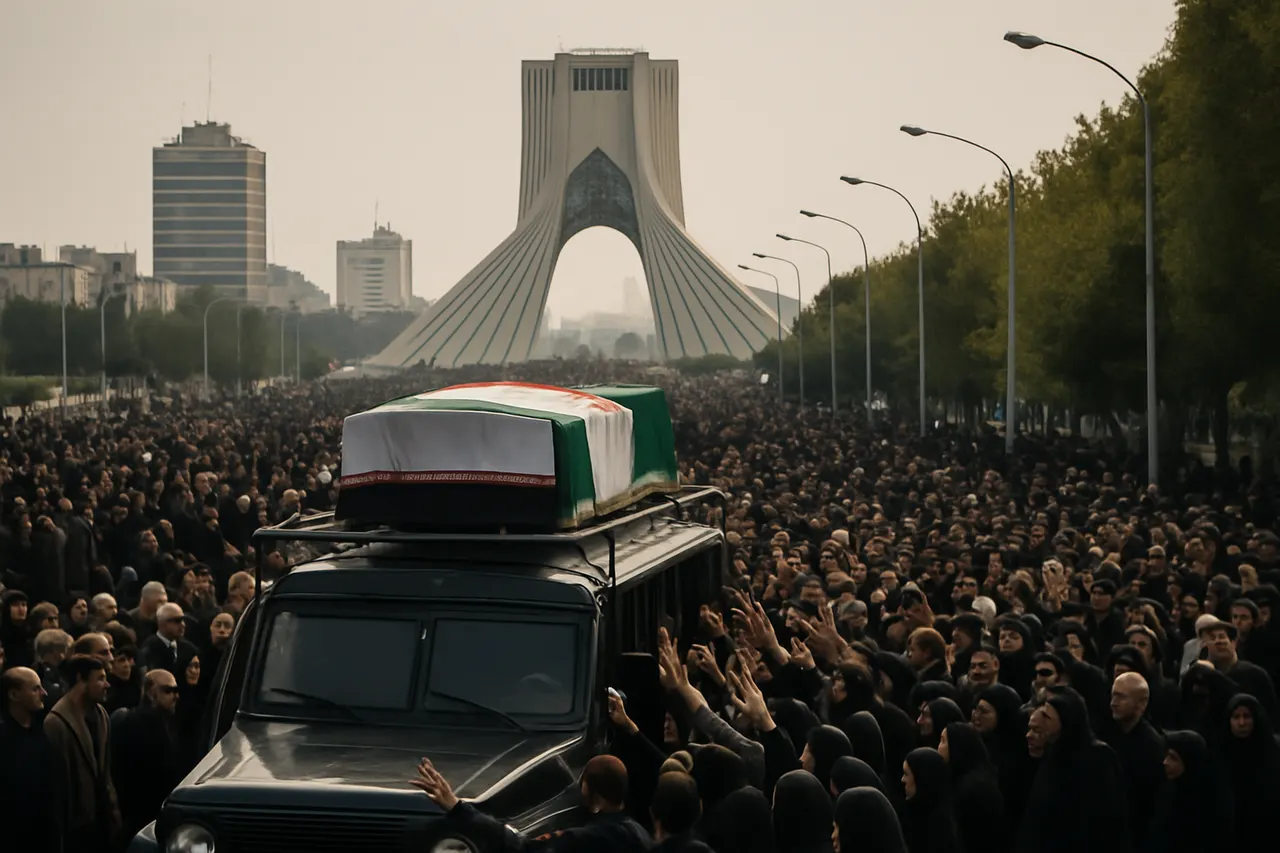
Iran held three days of public mourning in Tehran for its slain supreme leader, Ayatollah Ali Khamenei, ending with a major political spectacle intended to send a message of resistance and revenge. The funeral procession on Monday featured a 10km route carrying the coffins of Khamenei and four family members, including his 14-month-old granddaughter Zara, attracting millions of mourners in one of the largest public gatherings in recent years.
Despite the large turnout, many Iranians stayed away due to the country’s struggles with two wars in less than a year, inflation nearing 80%, and the trauma from anti-government protests earlier in January. Some citizens blame Khamenei, who was also commander-in-chief, for the security crackdown that resulted in thousands of deaths. One man told reporters outside one of the many "mookebs"—rest stations providing free food and water funded mostly by private donations—that he would not attend the funeral.
The funeral ceremonies were carefully choreographed to portray Khamenei not only as a national leader but as a transcendent religious and political figure with authority extending across the Muslim world, particularly within Shia Islam, according to Mohammad Eslami, a research fellow at Tehran University. Government supporters in welcoming crowds approached foreigners, including around 400 social media influencers as claimed by the government, asking "where are you from?" and urging visiting media to "tell the truth."
Iran’s new leadership faces a dire financial situation and must continue negotiations to secure relief through easing sanctions and unfreezing assets after enduring weeks of war.
Loading comments.