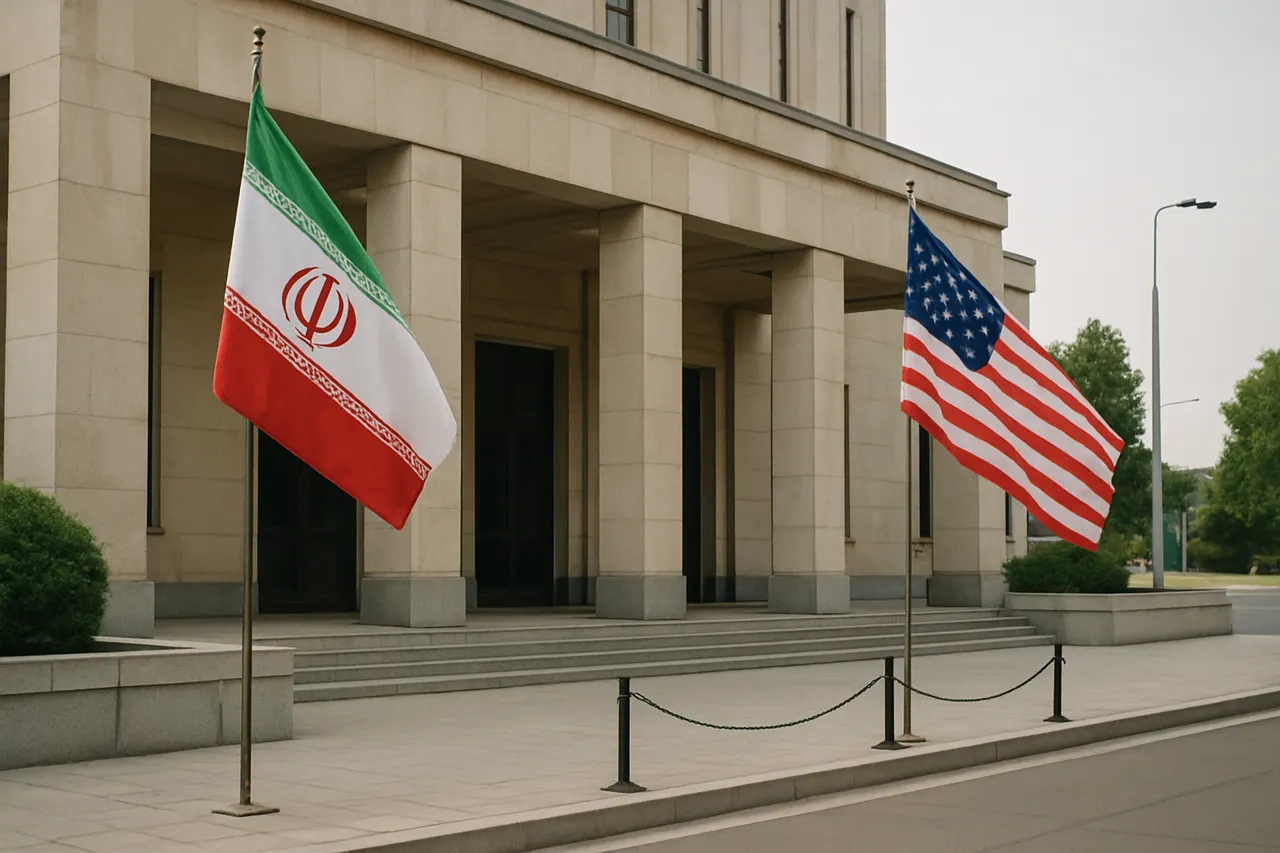
Iran has reaffirmed its determination to maintain control over the Strait of Hormuz following a series of attacks that have heightened tensions with the United States. The flare-up prompted US President Donald Trump, attending a NATO summit in Ankara, to declare the recent memorandum of understanding (MoU) between Tehran and Washington null and criticized Iranian authorities harshly after several ships were targeted by drones in the waterway.
On Wednesday morning, the US military launched strikes on southern Iran, which Trump described as "20 times harder" than Iran’s own attacks. In response, Iran’s Islamic Revolutionary Guard Corps (IRGC) and army fired projectiles toward Bahrain and Kuwait and successfully shot down a US drone.
Iran’s Ministry of Foreign Affairs accused the US of violating the MoU, particularly provisions related to halting military operations on all fronts, including Lebanon, and respecting sovereignty and territorial integrity. The ministry also condemned the US Department of the Treasury’s decision to rescind waivers that had allowed Iran to export oil and receive revenues for 60 days.
Despite ongoing hostilities, Trump expressed confidence in his envoys Steve Witkoff and Jared Kushner, who, along with Vice President JD Vance, have engaged in talks with Iran. However, no negotiations are expected until the conclusion of weeklong funeral ceremonies for Ayatollah Ali Khamenei, Iran’s supreme leader who was killed in Tehran on February 28 at the start of the US-Israel war on Iran.
President Masoud Pezeshkian, attending the funerals in Iraq, returned to Iran following the recent attacks. He also commented on social media that US foreign policy and conduct at the World Cup exhibited similar patterns.
Meanwhile, some Israeli media, including Walla, reported that the Israeli military is preparing for the possibility of renewed conflict with Iran, coordinating with CENTCOM and updating operational plans.
Loading comments.