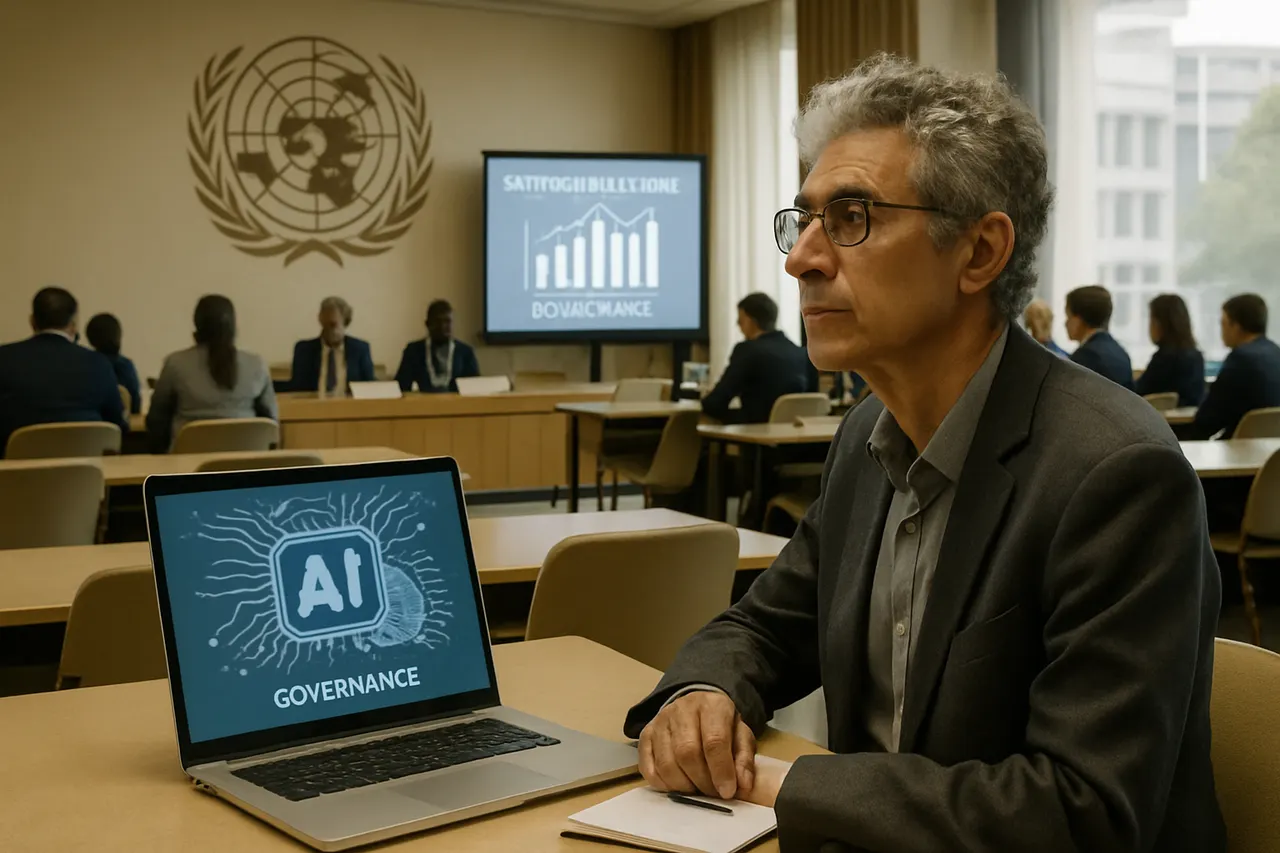
Governments, technology companies, academics, and civil society representatives gathered for the Global Dialogue on AI Governance in Geneva from July 6 to 7, 2026, to discuss how to regulate artificial intelligence (AI) as it evolves faster than existing rules can contain.
Ahead of the summit, UN News interviewed four participants, including two co-chairs of the Dialogue and two co-chairs of the UN’s Independent International Scientific Panel on Artificial Intelligence. The panel, composed of 40 experts from every region serving in their personal capacity, recently published a report outlining the opportunities and risks associated with AI.
Participants emphasized AI's potential to bring transformational benefits globally if used responsibly. However, they also warned about new dangers arising from the technology's rapid advancement. Yoshua Bengio, a member of the Scientific Panel, noted that AI is approaching or surpassing human capabilities in many domains and is outpacing both scientific understanding and governments’ ability to adapt. He cautioned that "science currently cannot guarantee that as capabilities continue to increase, AI will not cause catastrophic harm, either on its own or due to malicious users."
The summit aims to establish universally accepted global guardrails to manage AI safely and fairly. The Panel's work feeds directly into the UN Global Dialogue on AI Governance, where the international community seeks to develop coordinated approaches to managing this transformative technology.
The question at the heart of the summit remains: Can artificial intelligence benefit all of humanity without causing catastrophic harm?
Loading comments.