When the United States and Israel launched a war on Iran in late February 2026, their goal was to cripple the Islamic Republic and its so-called "Axis of Resistance"—a network of paramilitary groups including Hamas in Gaza, Hezbollah in Lebanon, the Houthis in Yemen, and militias in Iraq, all opposed to the US and Israel.
The assumption was that targeting key leaders, weapons facilities, and supply lines could induce catastrophic failure across Iran and its Middle Eastern allies, according to Peter Salisbury, a fellow at US think tank Century International and lead author of the "Beyond the Axis" report.
Despite achieving many military objectives, Iranian forces continued launching drone attacks on Gulf states and shipping in the Strait of Hormuz. Meanwhile, allies in Lebanon and Yemen intensified attacks against Israel and commercial shipping in the Red Sea.
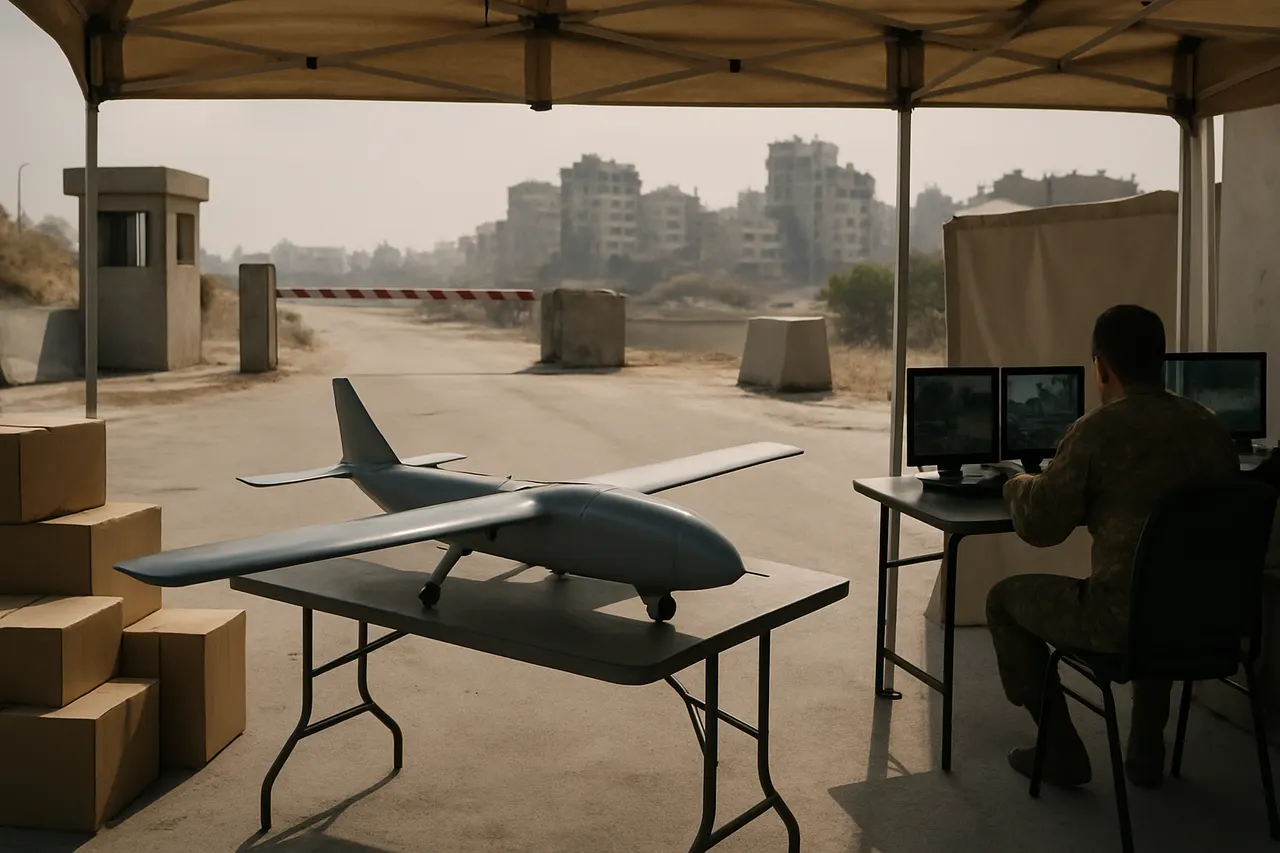
Wolf-Christian Paes, associate fellow at the International Institute for Strategic Studies and contributor to the report, noted that the term "proxies" is misleading as it implies direct command-and-control by Tehran. Instead, these groups have gained autonomy, sourcing large quantities of drone engines, such as those for the Shahed-136, directly from Chinese manufacturers.
The "Beyond the Axis" report highlights a dramatic rise in drone-related conflict incidents worldwide—from 140 in 2016 to over 58,000 in 2025, a 41,000% increase.
During the two-year Gaza war from 2023 to 2025, the Houthis attacked Israel and international shipping in the Red Sea with drones and missiles, claiming to support Palestinians in Gaza. They resumed attacks during the 2026 Iran war from February to April.
A ceasefire established in November 2024 collapsed in early March 2026 after Hezbollah attacked Israel with drones and missiles following the Israeli killing of Iran's leader Ali Khamenei, to whom Hezbollah had pledged allegiance.
These developments underscore how drone production, technology transfer, and training have enabled Iran's regional allies to operate with far greater independence, raising questions about the resilience of this network to military efforts aimed at dismantling it.
Loading comments.