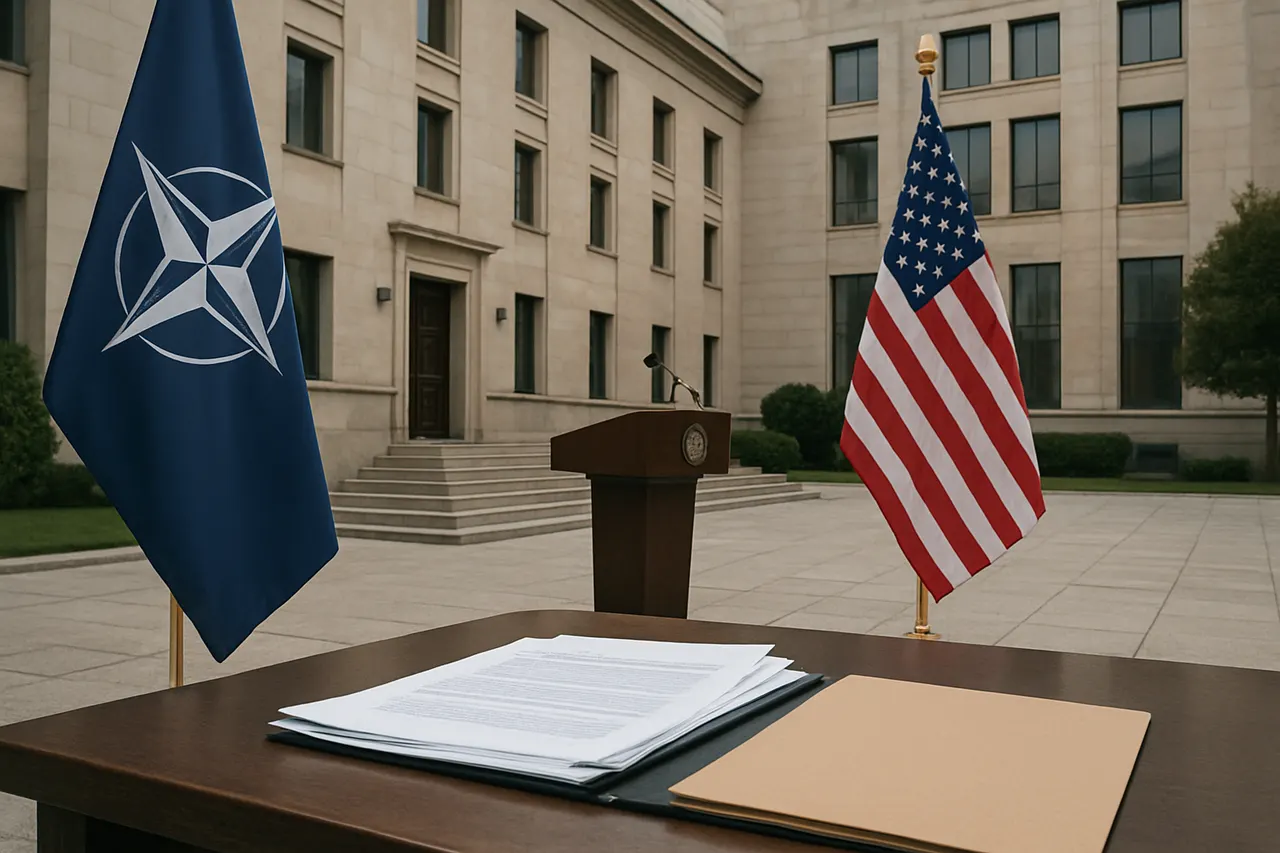
On July 7, 2026, President Donald Trump, seated beside Turkish President Recep Tayyip Erdoğan in Ankara, made remarks touching on key U.S. strategic interests including Iran, Ukraine, NATO, Turkey, Greenland, and China. These comments, delivered on the eve of the NATO Heads of State and Government Summit, have been interpreted as the public emergence of a coherent American grand strategy.
Trump stated he had spoken with both Russian President Vladimir Putin and Ukrainian President Volodymyr Zelenskyy, expressing hope for a resolution to ongoing conflicts. He announced that the United States plans to lift sanctions imposed on Turkey following its purchase of Russia's S-400 missile system, and indicated that selling Turkey F-35 fighter jets is "certainly something we will consider," despite security concerns raised by Israel and the U.S. Congress.
Regarding Greenland, Trump asserted that the territory "should be controlled by the United States, not by Denmark," citing Denmark's limited contributions to American security interests in the region.
Strategist Robert Maginnis, reflecting on the remarks, noted that grand strategies often emerge through repeated presidential statements rather than formal documents. He highlighted the interconnected nature of challenges in Ukraine, the Middle East, the Arctic, North Korea, and China, emphasizing the demands these pose on finite American power.
Trump also remarked on the lack of support from European allies, stating, "Italy turned us down and Germany turned us down and France turned us down," underscoring challenges in alliance reciprocity.
These statements collectively suggest a U.S. approach focused on deterrence, industrial strength, and recalibrated alliances.
Loading comments.