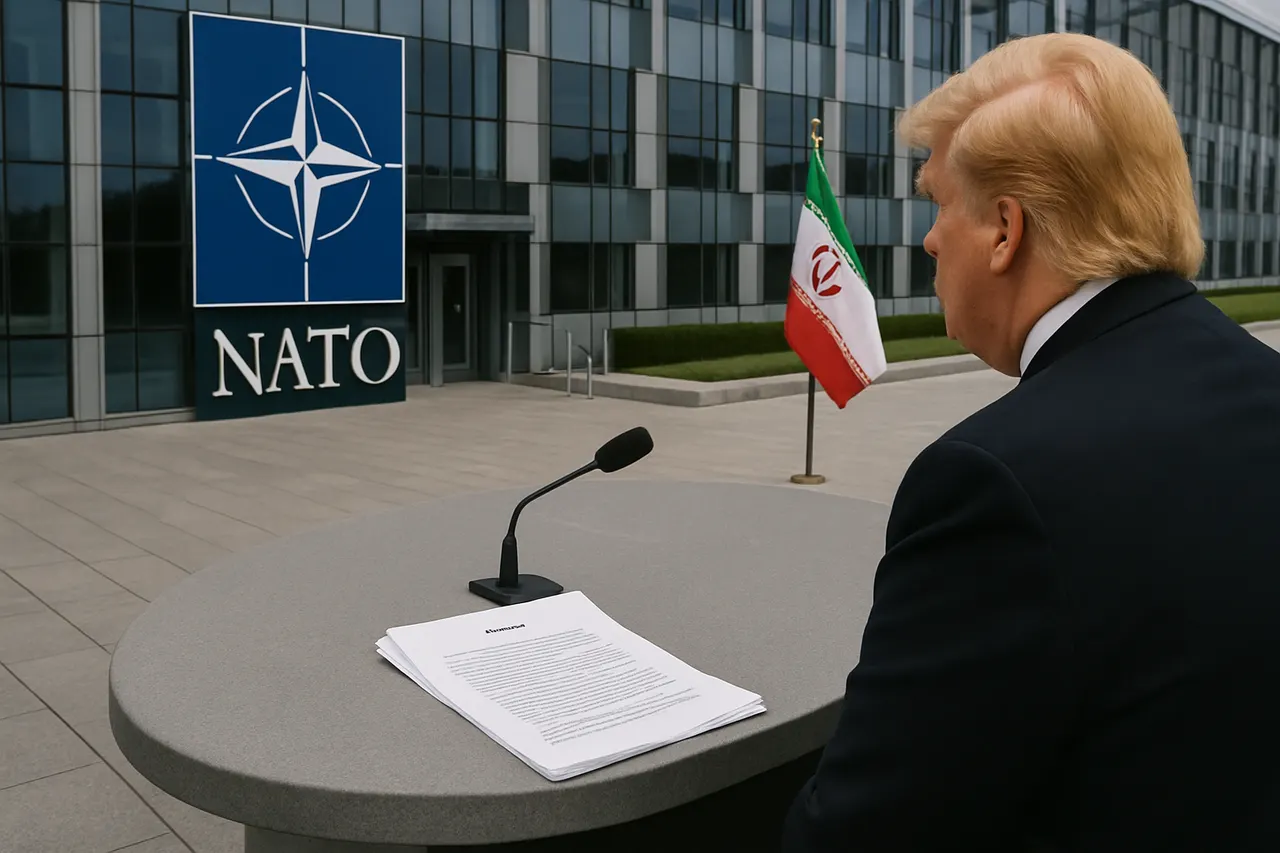
President Donald Trump arrived in Ankara, Turkey, for the NATO summit on July 7, 2026, where he announced he would consider allowing Turkey to buy American F-35 fighter jets. This consideration comes despite Turkey's possession of Russian-made air defense systems, which led to U.S. sanctions during Trump's first administration.
"It's a decision we're going to make," Trump said during a meeting with Turkish President Recep Tayyip Erdogan at the Bestepe Presidential Compound. He added, "We have a better relationship with Turkey, and Turkey's been, in many ways, much more loyal than other countries that we think would be loyal."
Vice President JD Vance revealed that Secretary Pete Hegseth and the Defense Department were reviewing the Turkish purchase of F-35 fighters, and Trump hinted at a "gift" for Turkey during an Oval Office meeting with NATO Secretary General Mark Rutte.
The summit, held amid ongoing tensions over defense spending and alliance commitments, also highlighted Trump's frustration with some NATO allies over their refusal to allow U.S. forces to use military bases or overflight rights during Operation Epic Fury against Iran. Ambassador to NATO Matthew Whitaker described Trump as "disappointed" by these allies and their political statements criticizing U.S. strikes.
European defense spending has increased by 20% in the past year, according to NATO Secretary General Mark Rutte, but debates continue over burden-sharing and strategic priorities. Former Deputy Assistant Secretary of Defense Ian Brzezinski noted the summit reflects "two scorecards"—traditional NATO goals against Russia and Trump's evaluation of allies' support during the Iran conflict.
Trump also mentioned that Secretary of State Marco Rubio, Treasury Secretary Scott Bessent, and Defense Secretary Hegseth were working on the F-35 issue.
Loading comments.