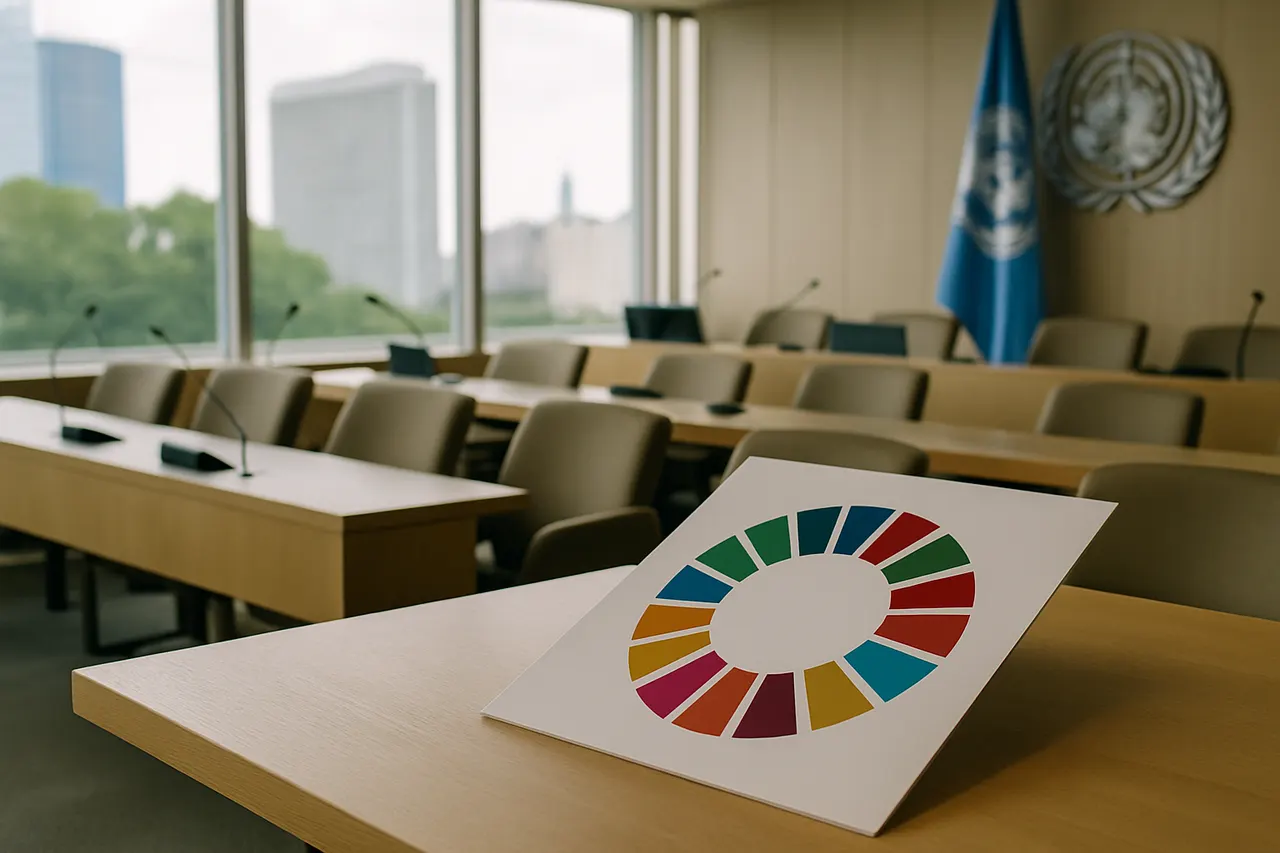
The 2026 SDG Progress Report, released on July 7, underscores that while sustained investment and international cooperation have improved billions of lives, significant challenges remain in achieving the Sustainable Development Goals (SDGs) by 2030. All 193 UN Member States adopted the SDGs in 2015 as a collective call to promote peace and prosperity worldwide.
The report describes the SDGs as “a shared blueprint for peace” but acknowledges the political and financial difficulties in meeting the 17 ambitious targets. Progress has been slowed by escalating conflicts, climate change, slowing economic growth, rising debt, and a record decline in official development assistance, disproportionately affecting the most vulnerable populations.
Coinciding with the report's release, the High-Level Political Forum on Sustainable Development (HLPF) convened in New York to track progress and discuss solutions. In addition to SDG 17 (partnerships for the goals), the forum will focus on SDG 6 (clean water and sanitation), SDG 7 (affordable and clean energy), SDG 9 (industry, innovation and infrastructure), and SDG 11 (sustainable cities and communities).
Under-Secretary-General for Economic and Social Affairs Li Junhua emphasized that decisive action on debt relief, development finance, food and water systems, essential services, and inequality could still keep the SDGs within reach. The report notes that 1.2 billion people have gained access to safely managed sanitation.
Mohammed, a UN official, remarked, “The day after 2030, for sure, there will be another date that Member States will promise, because the world hasn’t finished its job yet.”
Loading comments.